
also known as
US
UK
- Phrase
- Also called; alternatively named.
- Identified by another term; synonymous with.
A1Moreamuse
US /əˈmjuz/
UK /ə'mju:z/
- Transitive Verb
- To make someone laugh by entertaining them
B2Morearound the world
US /əˈraʊnd ði wɜrld/
UK /əˈraund ðə wɜː(r)ld/
- Phrase
- In or to many countries.
- In various places throughout the world.
A2Moreass
US /æs/
UK /æs/
- Noun
- (Impolite) part of the human body that you sit on
C2Morebunny
US /ˈbʌni/
UK /ˈbʌni/
- Countable Noun
- Rabbits
B2Morecheat
US /tʃit/
UK /tʃi:t/
- Verb (Transitive/Intransitive)
- To be unfaithful to (your wife, boyfriend etc.)
- To escape death or harm, through luck or skill
- Noun (Countable/Uncountable)
- One who is unfaithful to their wife, partner etc.
- One who lies or breaks rules to get what they want
B1Moreclassic
US / ˈklæsɪk/
UK /'klæsɪk/
- Adjective
- Having a simple, basic design or style
- (Of song, etc.) popular and famous for a long time
- Noun
- Something popular or famous for a long time
A2Morecuckoo
US /ˈkuku, ˈkʊku/
UK /'kʊku:/
- Noun
- Bird that lays its eggs in the nest of other birds
C1Moreculture
US /ˈkʌltʃɚ/
UK /'kʌltʃə(r)/
- Noun (Countable/Uncountable)
- Beliefs and customs of a particular group
- The customs, beliefs, art, and all the other things that a group of people share and consider important.
- Transitive Verb
- To grow cells, tissues, bacteria, etc. in a controlled environment.
A2Moredarker
US
UK
- Adjective
- Having less light; less light in color
A2Moredevil
US /ˈdɛvəl/
UK /ˈdevl/
- Noun (Countable/Uncountable)
- A spirit said to be evil
- A very bad or cruel person.
- Transitive Verb
- To prepare (food) with hot or spicy seasonings.
B1Morefeature
US /ˈfitʃɚ/
UK /'fi:tʃə(r)/
- Noun (Countable/Uncountable)
- Special report in a magazine or paper
- Distinctive or important point of something
- Transitive Verb
- To highlight or give special importance to
- To give prominence to; to present or promote as a special or important item.
A2TOEICMoregesture
US /ˈdʒɛstʃɚ/
UK /'dʒestʃə(r)/
- Noun (Countable/Uncountable)
- Bodily movement expressing a particular meaning
- Something you do to express gratitude, regret etc.
- Intransitive Verb
- To move your body to convey a message e.g. wave
A2Morehabit
US /ˈhæbɪt/
UK /'hæbɪt/
- Noun
- Loose clothing like a cloak, worn by monks, nuns
- Usual way of behaving; something often repeated
A2TOEICMorehistory
US /ˈhɪstəri/
UK /'hɪstrɪ/
- Noun (Countable/Uncountable)
- Established pattern or record
- Study of past events as an academic subject
A2Morein any case
US /ɪn ˈɛni kes/
UK /in ˈeni keis/
- Phrase
- Whatever happens; regardless of what has happened or may happen.
A1Morein the works
US
UK
- Adjective
- Being planned or prepared; in progress.
- Phrase
- Under development or being actively planned.
A1Moreindex
US /ˈɪnˌdɛks/
UK /ˈɪndeks/
- Noun (Countable/Uncountable)
- Number showing how prices, wages changed over time
- Written or printed (usually alphabetical) list
- Transitive Verb
- To adjust a value/wages as other things change
- To make a list of things in alphabetical order
A2TOEICMoreinsult
US /ɪnˈsʌlt/
UK /ɪn'sʌlt/
- Transitive Verb
- To disrespect someone by being rude or impolite
- Noun (Countable/Uncountable)
- Act of disrespecting by being rude or impolite
B1TOEICMorelay
US /le/
UK /leɪ/
- Adjective
- Amateur; not being a trained priest
- Transitive Verb
- To place a bet on a game outcome
- (Of a bird, etc.) to produce eggs from its body
A2Moremedieval
US /ˌmidiˈivəl/
UK /ˌmediˈi:vl/
- Adjective
- Old or out of date and not of much use
- Relating to the Middle Ages (approximately 5th to 15th century).
B1Moremock
US /mɑk/
UK /mɒk/
- Transitive Verb
- To laugh at someone or something in an unkind way
- Adjective
- Not genuine or real, but attempting to appear so
B1Morenest
US /nɛst/
UK /nest/
- Noun (Countable/Uncountable)
- Home, e.g. of twigs, made by a bird, insect etc.
- Things designed to fit together
- Intransitive Verb
- To create or live in a nest
- To settle comfortably within or against something.
B1Morepose
US /poʊz/
UK /pəʊz/
- Verb (Transitive/Intransitive)
- To be or exist as (a problem, threat etc.)
- To suggest an idea, question or solution
- Noun
- False behavior to gain respect or liking
B1TOEICMoreprank
US /præŋk/
UK /præŋk/
- Noun
- Trick performed to make people look foolish
C1Morerabbit
US /ˈræbɪt/
UK /ˈræbɪt/
- Countable Noun
- Type of small animal with long ears and four legs
A2Morereference
US /ˈrɛfərəns, ˈrɛfrəns/
UK /'refrəns/
- Noun
- A letter of recommendation, e.g. for a job
- Note in a book, etc. giving source of information
- Transitive Verb
- To cite a piece of research in speech or writing
- Mention or refer to.
A2TOEICMoreshame
US /ʃem/
UK /ʃeɪm/
- Uncountable Noun
- Feeling of guilt because you did something wrong
- Transitive Verb
- To make someone feel ashamed
A2Morespread
US /sprɛd/
UK /spred/
- Noun (Countable/Uncountable)
- A big meal, often laid out as a buffet
- The distance between two things
- Verb (Transitive/Intransitive)
- To place over a large area; to cover a large area
- (Of ideas, gossip) to pass to and affect others
A2TOEICMorestretch
US /strɛtʃ/
UK /stretʃ/
- Verb (Transitive/Intransitive)
- To make your arm, leg muscles long to ease them
- To make something bigger by pulling on it
- Noun
- Making arm, leg muscles longer to ease them
- A consecutive row of things
A2TOEICMoreused to
US /juzd tu/
UK /ˈju:st tə/
- Adjective
- Did regularly before, but don't do now
- Auxiliary Verb
- Have done before, but do not do now
A1Morevictorian
US /vɪkˈtɔriən, -ˈtor-/
UK /vɪkˈtɔ:riən/
- Adjective
- Typical of 19th century standards or conduct
B1Morewatch out
US /wɑtʃ aʊt/
UK /wɔtʃ aut/
- Phrasal Verb
- To be careful; to be alert to danger
A1More
Vocabulary
- used to: Did regularly before, but don't do now
- also known as: Also called; alternatively named.
- in the works: Being planned or prepared; in progress.
- in any case: Whatever happens; regardless of what has happened or may happen.
- around the world: In or to many countries.
- watch out: To be careful; to be alert to danger
- figure: To appear in a game, play or event
- stretch: To make your arm, leg muscles long to ease them
- common: Area in a city or town that is open to everyone
- insult: To disrespect someone by being rude or impolite
- spread: A big meal, often laid out as a buffet
- feature: Special report in a magazine or paper
- reference: A letter of recommendation, e.g. for a job
- effect: An advantage, benefit
- medieval: Old or out of date and not of much use
- gesture: Bodily movement expressing a particular meaning
- shame: Feeling of guilt because you did something wrong
- culture: Beliefs and customs of a particular group
- prank: Trick performed to make people look foolish
- mock: To laugh at someone or something in an unkind way
- habit: Loose clothing like a cloak, worn by monks, nuns
- catch: Amount of something that has been caught
- middle: Place that is halfway between two things
- index: Number showing how prices, wages changed over time
- head: To hit a ball with your head in a game
- person: Man, woman or child
- lay: Amateur; not being a trained priest
- wear: To have clothes, glasses, shoes etc. on your body
- hide: To go to, or put a thing where it can't be found
- pose: To be or exist as (a problem, threat etc.)
- popular: Liked or enjoyed by many people
- start: First time or place that a thing exists; beginning
- world: All the humans, events, activities on the earth
- ass: (Impolite) part of the human body that you sit on
- classic: Having a simple, basic design or style
- cheat: To be unfaithful to (your wife, boyfriend etc.)
- case: Container used to carry things, e.g. clothes
- begin: To do the first part of an action; to start
- people: Persons sharing culture, country, background, etc.
- nest: Home, e.g. of twigs, made by a bird, insect etc.
- history: Established pattern or record
- devil: A spirit said to be evil
- amuse: To make someone laugh by entertaining them
- bunny: Rabbits
- rabbit: Type of small animal with long ears and four legs
- cuckoo: Bird that lays its eggs in the nest of other birds
- darker: Having less light; less light in color
- victorian: Typical of 19th century standards or conduct
Get the full experience in the app
Learn anywhere with detailed sentence and usage analysis
01:03
She took a brave step forward, leaving behind her comfort zone to chase her dreams.
Vocabulary
- brave
adj. Having courage
- comfort zone
phr. A familiar situation where one feels safe
Explanation
a brave step is a noun phrase, where brave is an adjective modifying the noun step, meaning "a courageous step".
forward is an adverb modifying step, meaning "ahead".
The whole phrase serves as the object, answering the "what" of took (verb) — she took a brave step forward.
Get the full experience in the app
Look up words anytime with pronunciation, part of speech, and usage
brave
US/brev/
UK/breɪv/
adj.Brave
v.t.To bravely face
A2 Elementary
Get the full experience in the app
Practice speaking anytime and get instant pronunciation feedback
Try this speaking exercise.
Try practicing with this sentence.
80
0
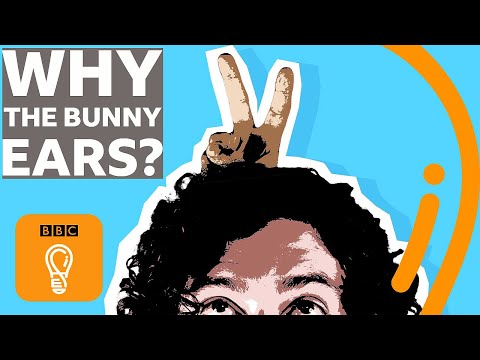
Seraya posted on 2020/05/17Did you know that the classic bunny ears prank has a surprisingly dark history, possibly linked to medieval insults and public shaming? This video dives into the hidden origins of this common photo pose, exploring its cultural depth and giving you a fun look at how it evolved from devil's horns to selfie culture. You'll pick up some fascinating cultural insights and practice understanding simple sentence structures along the way!
Learn this video on the APP!
The VoiceTube App has more in-depth practice for videos!