
along with
US /əˈlɔŋ wɪð/
UK /əˈlɔŋ wið/
- Preposition
- In addition to; together with.
- Adverb
- In company or together with someone or something.
- Including; in addition to.
A2Moreanything other than
US
UK
- Phrase
- Except for; not including
- Different from; not
apologize
US /əˈpɑləˌdʒaɪz/
UK /ə'pɒlədʒaɪz/
- Intransitive Verb
- To say sorry because of a mistake or injury
A2TOEICMoreapplause
US /əˈplɔz/
UK /ə'plɔ:z/
- Noun (Countable/Uncountable)
- The sound made by clapping a performance or speech
B1Morearound the world
US /əˈraʊnd ði wɜrld/
UK /əˈraund ðə wɜː(r)ld/
- Phrase
- In or to many countries.
- In various places throughout the world.
A2Moreas soon as
US /æz sun æz/
UK /æz su:n æz/
- Phrase
- In a short time after (something happens)
- Without any delay; immediately
- Conjunction
- At the moment that, or immediately after.
A1Moreas well as
US /æz wɛl æz/
UK /æz wel æz/
- Adverb
- Also; in addition to
- Preposition
- In addition to; and also.
A1Moreat home
US /æt hom/
UK /æt həum/
- Phrase
- In one's own residence or country.
- Adjective
- Feeling comfortable and relaxed.
at least
US /æt list/
UK /æt li:st/
- Adverb
- As a minimum
- Not less than
- Phrase
- No less than; at the minimum
- Used to indicate that something is positive in a bad situation.
C2Moreat some point
US /æt sʌm pɔɪnt/
UK /æt sʌm pɔint/
- Phrase
- At an unspecified time, usually in the future.
A1Moreat stake
US /æt stek/
UK /æt steik/
- Phrase
- At risk; that can be lost if something is not successful
- In question; depending on what happens
- Adjective
- At risk; that can be lost if something is not successful.
A1Moreat that time
US /æt ðæt taɪm/
UK /æt ðæt taim/
- Phrase
- During a specific point in the past.
A1Moreat the same time
US
UK
- Phrase
- Simultaneously; at the identical moment.
- Nevertheless; however; used to introduce a contrasting or qualifying statement.
A1Moreat war
US /æt wɔr/
UK /æt wɔ:/
- Phrase
- Engaged in a war; fighting
A2Moreaudience
US /ˈɔdiəns/
UK /ˈɔ:diəns/
- Noun (Countable/Uncountable)
- Group of people attending a play, movie etc.
A2TOEICMoreback into
US /bæk ˈɪntu/
UK /bæk ˈɪntuː/
- Phrasal Verb
- To drive a vehicle backwards into a space or area.
- To accidentally collide with something while moving backwards.
A1Moreback up
US /bæk ʌp/
UK /bæk ʌp/
- Phrasal Verb
- To save a copy of your computer data
- To confirm the truth of what someone says
A1Morebased on
US
UK
- Phrasal Verb
- To use something as the foundation or starting point for something else.
- Preposition
- Using something as the main idea or foundation.
- Relying on something as evidence or justification.
A1Morebeat up
US /bit ʌp/
UK /bi:t ʌp/
- Phrasal Verb
- To hurt someone badly by hitting and punching
- Transitive Verb
- To assault or physically harm someone.
A2Morebreak in
US /brek ɪn/
UK /breik in/
- Phrasal Verb
- To wear new (shoes, etc.) to make them comfortable
- To interrupt someone's conversation, task
- Verb (Transitive/Intransitive)
- To interrupt a conversation or activity.
- To wear something new until it becomes comfortable.
A1Morebreak out
US /brek aʊt/
UK /breik aut/
- Phrasal Verb
- To isolate some information from other data
A1Morebring back
US /brɪŋ bæk/
UK /briŋ bæk/
- Phrasal Verb
- To cause to remember
- To return something
A1Morebring in
US /brɪŋ ɪn/
UK /briŋ in/
- Phrasal Verb
- To earn a certain amount of money or profits
- To add person into existing group, e.g. phone call
A1Morebuild on
US /bɪld ɑn/
UK /bild ɔn/
- Phrasal Verb
- To develop or expand something; to use something as a foundation for further progress.
- To use something as a base or foundation for further development or success.
A2Morebuild up
US /bɪld ʌp/
UK /bild ʌp/
- Phrasal Verb
- To increase the amount; collect something
- To develop or increase something in stages
- Verb (Transitive/Intransitive)
- To increase or develop something gradually.
- To praise or encourage someone.
A1Moreby itself
US /baɪ ɪtˈsɛlf/
UK /bai itˈself/
- Adverb
- Alone; without help or assistance.
- Without any external influence or aid.
A2Moreby no means
US
UK
- Phrase
- Certainly not; in no way.
A1Moreby numbers
US /baɪ ˈnʌmbɚz/
UK /baɪ ˈnʌmbəz/
- other
- Doing something exactly according to instructions or method.
B2Morecalm down
US /kɑm daʊn/
UK /kɑ:m daun/
- Phrasal Verb
- To make or become relaxed after being stressed
A2Morecampaign
US /kæmˈpen/
UK /kæm'peɪn/
- Intransitive Verb
- To work in an organized, active way towards a goal
- Noun (Countable/Uncountable)
- Series of actions meant to achieve a goal
- A planned set of military activities intended to achieve a particular objective.
A2TOEICMorecare of
US /kɛr ʌv/
UK /kɛə ɔv/
- Preposition
- Used in an address to indicate the person who will receive the mail for someone else.
A2Morecheck on
US /tʃɛk ɑn/
UK /tʃek ɔn/
- Phrasal Verb
- To check that things are OK, correct
- To make sure someone or something is safe or well.
A1Morecheck out
US /tʃɛk aʊt/
UK /tʃek aut/
- Phrase
- Phrasal Verb
- To find out information about something
- To take books out of a library
A1Moreclassify
US /ˈklæsəˌfaɪ/
UK /'klæsɪfaɪ/
- Transitive Verb
- To arrange things into groups of similar items
- To keep some information secret from the public
B2Moreclient
US /ˈklaɪənt/
UK /'klaɪənt/
- Countable Noun
- Person paying for professional services
A2Moreclock in
US
UK
- Phrasal Verb
- To record the time of one's arrival at work, typically using a time clock.
A1Morecome from
US /kʌm frʌm/
UK /kʌm frɔm/
- Phrasal Verb
- To have as your native country or city
A1Morecome together
US /kʌm təˈɡɛðɚ/
UK /kʌm təˈɡeðə/
- Phrasal Verb
- To assemble or unite; to start working together.
- To form a close relationship or bond.
A1Morecome up with
US /kʌm ʌp wɪð/
UK /kʌm ʌp wið/
- Phrasal Verb
- To think of an idea or solution; produce
A1Moreconcern about
US
UK
- Intransitive Verb
- To worry about something.
B2Morecongress
US /ˈkɑŋɡrɪs/
UK /'kɒŋɡres/
- Noun (Countable/Uncountable)
- Meeting of elected or appointed representatives
- Proper Noun
- American governing body of elected representatives
B1Moreconsent
US /kənˈsɛnt/
UK /kən'sent/
- Intransitive Verb
- To agree or give approval to do something
- Noun (Countable/Uncountable)
- Approval, agreement (for something to happen)
- Official permission to do something
B1Morecourt
US /kɔrt, kort/
UK /kɔ:t/
- Transitive Verb
- To act in a way to shows you wish to marry someone
- To encourage dangerous behavior
- Noun
- Place king or queen meet people, makes laws etc.
- Place where legal cases are decided
A2TOEICMorecut in
US /kʌt ɪn/
UK /kʌt in/
- Phrasal Verb
- To interrupt someone's conversation
- To enter a queue at the wrong place
A1Moredeal in
US /dil ɪn/
UK /di:l in/
- Phrasal Verb
- To buy and sell a particular product or products.
A1Moredeal with
US /dil wɪð/
UK /di:l wið/
- Verb (Transitive/Intransitive)
- To buy or sell goods or services.
- Phrasal Verb
- To take action to solve a problem or manage a situation.
- To be about; concern.
A1Moredebate
US / dɪˈbet/
UK /dɪ'beɪt/
- Noun (Countable/Uncountable)
- General public discussion of a topic
- A formal event where two sides discuss a topic
- Verb (Transitive/Intransitive)
- To consider options before making a decision
- To take part in a formal discussion
A2TOEICMoredisagree with
US /ˌdɪsəˈɡri wɪð/
UK /ˌdisəˈɡri: wið/
- Phrasal Verb
- To have a different opinion from someone else.
- Intransitive Verb
- To cause someone to feel ill or uncomfortable.
A1Moredisaster
US /dɪˈzæstɚ, -ˈsæs-/
UK /dɪ'zɑ:stə(r)/
- Noun (Countable/Uncountable)
- State of extreme ruin and misfortune
- A complete failure.
- Uncountable Noun
- A situation that has gone terribly wrong.
A2Moredisgrace
US /dɪsˈɡres/
UK /dɪsˈgreɪs/
- Noun (Countable/Uncountable)
- Shame or dishonor
B2Moredown with
US /daʊn wɪð/
UK /daun wið/
- Adjective
- Suffering from an illness.
- Agreeable to; in favor of.
- Interjection
- An expression of opposition to something.
A1Moreexcept for
US /ɪkˈsɛpt fɔr/
UK /ikˈsept fɔ:/
- Preposition
- Not including; excluding.
fair and square
US /fɛr ənd skwɛr/
UK /fɛə ænd skwɛə/
- Adverb
- In an honest and straightforward manner; legitimately.
- Adjective
- Achieved decisively and without doubt; clear and legitimate.
A1Morefar worse
US
UK
- Adjective
- Significantly more unpleasant, serious, or severe.
- In a much poorer state of health or physical condition.
- Adverb
- To a much greater degree of inferiority or unsuitability.
A2Morefigure out
US /ˈfɪɡjɚ aʊt/
UK /ˈfiɡə aut/
- Phrasal Verb
- To understand the behavior of someone
- To think through logically to find a solution
- Verb (Transitive/Intransitive)
- To understand or find an answer to something.
- To find a solution to a problem or understand something.
A1Morefill up
US /fɪl ʌp/
UK /fil ʌp/
- Phrase
- Verb (Transitive/Intransitive)
- To make something full.
- To become full.
A1Morefly into
US /flaɪ ˈɪntu/
UK /flai ˈintu:/
- other
- Suddenly become very angry or emotional.
- Move quickly into a place, usually by flying.
B2Morefollow up on
US
UK
- Phrasal Verb
- To investigate or check on something.
- To pursue something further after an initial action.
A1Morefor now
US /fɔr naʊ/
UK /fɔ: nau/
- Phrase
- Temporarily; for the present time.
- In the short term; for the immediate future.
A1Morefor the record
US /fɔr ði rɪˈkɚd/
UK /fɔ: ðə riˈkɔ:d/
- Phrase
- Said to ensure something is officially noted or remembered.
- To state something to ensure the correct information is known.
A1Morefore
US /fɔ:r/
UK /fɔ:(r)/
- Adjective
- (In combination) before; in the front part
B2Moreforeign
US /ˈfɔ:rən/
UK /ˈfɒrən/
- Adjective
- Being of a different place or country
- Strange; different from ones found at home
A2TOEICMoreforget about
US /fɚˈɡɛt əˈbaʊt/
UK /fəˈɡet əˈbaut/
- Phrasal Verb
- To stop thinking about something; to ignore something.
A1Moregain access
US
UK
- Verb (Transitive/Intransitive)
- To obtain the ability or right to enter or use something.
B1Moreget along
US /ɡɛt əˈlɔŋ/
UK /ɡet əˈlɔŋ/
- Phrasal Verb
- To have a friendly relationship with someone; like
- To manage with what you have, e.g. money
A1Moreget on to
US /ɡɛt ɑn tu/
UK /ɡet ɔn tu:/
- Phrasal Verb
- To decide to do something you have delayed doing
A1Moreget onto
US /ɡɛt ˈɑnˌtu/
UK /ɡet ˈɔntu/
- Phrasal Verb
- To board or mount a vehicle, such as a bus, train, or bicycle.
- To start talking or dealing with a new subject.
A1Moregive up
US /ɡɪv ʌp/
UK /ɡiv ʌp/
- Phrasal Verb
- To lose hope or admit defeat
- To decide to not start to try solving a problem
- Verb Phrase
- to surrender an item; hand over an item
A1Morego after
US /ɡo ˈæftɚ/
UK /ɡəu ˈɑ:ftə/
- Phrasal Verb
- To chase or pursue something
A1Morego ahead
US /ɡo əˈhɛd/
UK /ɡəu əˈhed/
- Phrasal Verb
- To start an activity; start doing, working etc.
- To give permission to do something
- Intransitive Verb
- To start or proceed with something
- To proceed despite potential obstacles or doubts.
A1Morego back to
US /ɡo bæk tu/
UK /ɡəu bæk tu:/
- Phrasal Verb
- To return to a starting point
A1Morego on
US /ɡo ɑn/
UK /ɡəu ɔn/
- Phrasal Verb
- To continue doing something
- To happen (usually negative)
- Interjection
- Used to encourage someone
A1Morego out
US /ɡo aʊt/
UK /ɡəu aut/
- Phrase
- To leave a building (e.g. a house)
- Phrasal Verb
- (Of a fire) to burn out; be extinguished
- Go out of fashion to stop being fashionable
A1Morego together
US
UK
- Phrasal Verb
- To match well; to be harmonious or aesthetically pleasing.
- To date; to be in a romantic relationship.
A1Moregoing on
US /ˈɡoɪŋ ɑn/
UK /ˈgəʊɪŋ ɔn/
- Phrasal Verb
- To continue doing something
- To happen (usually negative)
A1Moregot to
US /ɡɑt tu/
UK /gɔt tu:/
- Verb (Transitive/Intransitive)
- To arrive at some place
- To have the opportunity or permission to do something
- Phrasal Verb
- To appeal to the emotions of; move
- To finally begin to start something after a delay
A1Morehast
US /hæst/
UK /hæst/
- Transitive Verb
- Old form of 'has'
B2Morehave to
US /hæv tu/
UK /ˈhæv tə/
- Auxiliary Verb
- Must do
A1Morein a vacuum
US /ɪn e ˈvækjuəm/
UK /in ə ˈvækjuəm/
- Phrase
- Existing or considered without relation to other things; isolated from outside influences.
- Without any context or background information.
A1Morein business
US /ɪn ˈbɪznɪs/
UK /in ˈbiznis/
- Phrase
- Actively operating as a commercial enterprise.
- Having a commercial partnership or association.
A1Morein charge
US /ɪn tʃɑrdʒ/
UK /in tʃɑ:dʒ/
- Adverb
- To be responsible for
A1Morein debt
US /ɪn dɛt/
UK /in det/
- Phrase
- State of owing money to a person or institution
- Adjective
- Owing money.
A2Morein every way
US /ɪn ˈɛvri we/
UK /in ˈevri wei/
- Phrase
- In all manners or respects; completely.
A1Morein fact
US /ɪn fækt/
UK /in fækt/
- Adverb
- Used to emphasize the truth of a statement, especially one that contrasts with or contradicts something else.
- Used to introduce a more detailed or surprising piece of information.
- Phrase
- Used to emphasize the truth of a statement, especially one that is surprising or contrary to what might be expected.
C1Morein favor of
US /ɪn ˈfevɚ ʌv/
UK /in ˈfeivə ɔv/
- Phrase
- Expressing support or approval for someone or something.
- To the advantage of; benefiting.
- Preposition
- Supporting or approving of something.
- To the advantage of; to the benefit of.
A1Morein half
US /ɪn hæf/
UK /in hɑ:f/
- Adverb
- Divided into two equal parts.
- Partially; to some extent.
A1Morein hand
US /ɪn hænd/
UK /in hænd/
- Phrase
- In one's possession or control.
in itself
US /ɪn ɪtˈsɛlf/
UK /in itˈself/
- Phrase
- Considered alone or without reference to anything else; intrinsically.
- Essentially; by its very nature.
in jail
US /ɪn dʒel/
UK /in dʒeil/
- Phrase
- Imprisoned; confined in a jail or prison.
B1Morein mind
US /ɪn maɪnd/
UK /in maind/
- Phrase
- Being aware of or considering something.
- To remember or consider something.
A2Morein on
US
UK
- Phrase
- To be involved in a secret or plan.
- To be aware of something that is secret or not generally known.
A1Morein order to
US /ɪn ˈɔrdɚ tu/
UK /in ˈɔ:də tu:/
- Preposition
- For the purpose of; with the aim of.
- Phrase
- In a specific sequence or arrangement.
- With the aim of; for the purpose of.
C1Morein other words
US
UK
- Phrase
- Stating something in a different way, often to make it clearer or more understandable.
in part
US /ɪn pɑrt/
UK /in pɑ:t/
- Adverb
- To some extent; partially.
A1Morein particular
US /ɪn pɚˈtɪkjəlɚ/
UK /in pəˈtikjulə/
- Phrase
- Specifically; especially.
- Detailed or precise.
A1Morein power
US /ɪn ˈpaʊɚ/
UK /in ˈpauə/
- Adjective
- Having control of a country or organization.
- Phrase
- During a period of holding authority or control.
B1Morein public
US /ɪn ˈpʌblɪk/
UK /in ˈpʌblik/
- Phrase
- In a place where anyone can see or hear you.
- Adjective
- Relating to the government or the people as a whole.
B1Morein terms of
US
UK
- Phrase
- With regard to; concerning a particular aspect.
A1Morein the air
US
UK
- Phrase
- Present or circulating in the atmosphere.
- Felt or sensed by many people; circulating as a rumor or feeling.
- Adjective
- Being broadcast on radio or television.
A1Morein the first place
US
UK
- Phrase
- To begin with; as the first point or consideration.
- From the beginning; initially.
A1Morein the line of duty
US /ɪn ðə ˈlaɪn ʌv ˈduti/
UK /in ðə ˈlaɪn ɔv ˈdju:ti/
- other
- While performing one's job or official responsibilities.
B2Morein the middle of
US
UK
- Phrase
- In the central part or point of something.
- Engaged or occupied with something.
A2Morein the past
US
UK
- Phrase
- During a former period of time; previously.
A1Morein the world
US /ɪn ði wɜrld/
UK /in ðə wɜː(r)ld/
- Phrase
- Used to emphasize a question expressing surprise, confusion, disbelief
- Used to indicate the extent or degree of something, often in a superlative sense
A1Morein total
US /ɪn ˈtotl/
UK /in ˈtəutəl/
- Phrase
- Completely; with everything added together.
A1Moreindependent
US /ˌɪndɪˈpɛndənt/
UK /ˌɪndɪˈpendənt/
- Adjective
- Making your own decisions; acting by yourself
- Not connected with or influenced by something else.
- Noun
- A person not connected to a political party
- Someone who is independent, especially in politics or business.
A2TOEICMoreinfluence
US / ˈɪnfluəns/
UK /'ɪnflʊəns/
- Verb (Transitive/Intransitive)
- To affect or change something indirectly
- To persuade someone to do something.
- Noun (Countable/Uncountable)
- The power to affect what happens, to persuade etc.
- A person or thing that affects someone or something in an important way.
A2TOEICMoreinstead of
US /ɪnˈstɛd ʌv/
UK /inˈsted ɔv/
- Preposition
- When one thing is replaced by another
- Adverb
- As a substitute or alternative.
A1Moreinsurance
US /ɪnˈʃʊrəns/
UK /ɪnˈʃʊərəns/
- Uncountable Noun
- Protection against loss/injury/death you pay for
A2TOEICMoreion
US /ˈaɪən/
UK /'aɪən/
- Noun (Countable/Uncountable)
- Atoms with either a positive or negative charge
B2Morejail
US /dʒel/
UK /dʒeɪl/
- Noun (Countable/Uncountable)
- Place to hold criminals being punished for a crime
- Transitive Verb
- To hold people who are being punished for a crime
B1Moreknock out
US /nɑk aʊt/
UK /nɔk aut/
- Phrasal Verb
- To hit and make unconscious
- To defeat someone so decisively that they cannot continue.
- Verb (Transitive/Intransitive)
- To defeat someone so decisively that they are unable to continue.
- To destroy or disable something, especially a piece of equipment.
A2Moreknow about
US /noʊ əˈbaʊt/
UK /nəʊ əˈbaut/
- Phrasal Verb
- To have information or understanding of a subject or situation.
look at
US /lʊk æt/
UK /luk æt/
- Phrasal Verb
- To use your eyes to focus on something
- To focus your eyes on something carefully
A1Morelook into
US /lʊk ˈɪntu/
UK /luk ˈɪntuː/
- Phrasal Verb
- To investigate or try to discover the reasons for
A1Moremake of
US /mek ʌv/
UK /meik ɔv/
- Phrasal Verb
- To understand or have an opinion about something
- To create or produce something from a particular material
A1Moremake up
US /mek ʌp/
UK /meik ʌp/
- Phrasal Verb
- To invent or create a story
- To add up to
- Verb (Transitive/Intransitive)
- To invent a story, excuse, etc.
- To compensate for something lost, missed, or deficient.
A1Moremate
US /met/
UK /meɪt/
- Noun (Countable/Uncountable)
- A friend who you work, live, or go to school with
- Partner in a (sexual) relationship
- Verb (Transitive/Intransitive)
- To pair a male and female so they have children
- To join or fit two things together
B1Moremention
US /ˈmɛnʃən/
UK /'menʃn/
- Transitive Verb
- To refer to or talk or write about something
- Uncountable Noun
- Act of referring to or talking about something
- A formal acknowledgement of something
A2TOEICMoremoss
US /mɔs,mɑs/
UK /mɒs/
- Uncountable Noun
- Soft green plant which grows on trees and stones
B2Moremove along
US /muv əˈlɔŋ/
UK /mu:v əˈlɔŋ/
- Phrasal Verb
- To make progress; advance.
- To tell someone to leave or keep moving.
B1Moremove on
US /muv ɑn/
UK /mu:v ɔn/
- Phrasal Verb
- To decide to change or go to a different place
- To start talking about something different.
A1Moremove to
US /muv tu/
UK /mu:v tu:/
- Phrasal Verb
- To change the place where you live or work.
- Verb (Transitive/Intransitive)
- To proceed to the next stage or action.
A2Moremuch about
US /mʌtʃ əˈbaʊt/
UK /mʌtʃ əˈbaut/
- Phrase
- A lot of information or knowledge concerning something.
- To a great extent or degree regarding something; caring.
A1Morenext to
US /nɛkst tu/
UK /nekst tu:/
- Preposition
- Being located along side another
- In comparison with
- Adverb
- Almost; nearly
A1Moreno go
US
UK
- Noun
- A failure; something that does not proceed as planned.
A1Moreno matter
US
UK
- Conjunction
- Regardless of; it does not matter.
- Adverb
- Regardless of; it is not important
A1Moreof all time
US /ʌv ɔl taɪm/
UK /ɔv ɔ:l taim/
- Adjective
- The best or most significant in history.
- Phrase
- Ever; in all of history.
A1Moreof course
US /ʌv kɔː(r)s/
UK /ɔv kɔː(r)s/
- Adverb
- Sure ; Certainly
- Phrase
- For sure; certainly
A2Moreof itself
US /ʌv ɪtˈself/
UK /əv ɪtˈself/
- other
- Happening automatically without external cause or help.
B1Moreoff of
US /ɔf ʌv/
UK /ɔf ɔv/
- Preposition
- From a position on something; down from.
A1Moreon behalf of
US /ɑn bɪˈhæf ʌv/
UK /ɔn biˈhɑ:f ɔv/
- Phrase
- As the representative of someone
- Acting as a representative of.
B1Moreon tape
US /ɑn teɪp/
UK /ɒn teɪp/
- other
- Recorded on audio or video media.
B2Moreon television
US /ɑn ˈtɛləvɪʒən/
UK /ɒn ˈtelɪvɪʒən/
- other
- Appearing or broadcast on TV.
A2Moreon the bench
US
UK
- Phrase
- Not actively playing in a game; in reserve.
- Serving as a judge; presiding over a court.
A1Moreon the ground
US
UK
- Phrase
- Located on the surface of the earth.
- Present and available in a particular place, especially to deal with a situation.
on the rise
US /ɑn ði raɪz/
UK /ɔn ðə raiz/
- Adjective
- Increasing; becoming more popular or common.
- Becoming more successful in a career or field.
- Phrase
- Increasing in popularity.
A1Moreon to
US /ɑn tu/
UK /ɔn tu:/
- Preposition
- Toward something; forward
- Aware of someone's activities.
- Adjective
- Aware of someone's deception or illegal activities.
A1Moreone of those things
US /wʌn əv ðoʊz θɪŋz/
UK /wʌn əv ðəuz θɪŋz/
- other
- An unfortunate but unavoidable event.
B2Moreother places
US
UK
- Phrase
- Different locations or areas
other than
US
UK
- Preposition
- Except for; apart from.
- Conjunction
- Different from.
A1Moreout of time
US /aʊt ʌv taɪm/
UK /aut ɔv taim/
- Adjective
- Having no more time available to do something.
A1Moreout there
US /aʊt ðɛr/
UK /aut ðɛə/
- Adverb
- In or to a place that is far away
- Existing in the universe
- Adjective
- Unconventional; strange; avant-garde
- Existing or available.
A1Moreoutside of
US /aʊtˈsaɪd ʌv/
UK /ˌautˈsaid ɔv/
- Preposition
- Located or situated beyond the boundaries or confines of something.
- Beyond the scope, range, or limits of something.
A1Morepay off
US /pe ɔf/
UK /pei ɔf/
- Phrasal Verb
- To give money to get person to do something; bribe
- To give money to settle a debt
- Transitive Verb
- To bribe someone.
- To pay a debt in full.
A1Morepick up on
US
UK
- Phrasal Verb
- To notice or become aware of something that is not obvious.
- To learn something by watching or listening to other people.
A1Morepoint out
US /pɔɪnt aʊt/
UK /pɔint aut/
- Phrasal Verb
- To make others aware of an idea
- To draw attention to something or someone
A1Morepolicy
US /ˈpɑlɪsi/
UK /'pɒləsɪ/
- Noun
- Document stating terms of an insurance agreement
- Course of action proposed by an organization, etc.
A2TOEICMorepresidential
US /ˌprɛzɪˈdɛnʃəl/
UK /ˌprezɪ'denʃl/
- Adjective
- Concerning the president
B1Moreput forth
US /pʊt fɔrθ/
UK /put fɔ:θ/
- Phrasal Verb
- To bring into existence
- To offer ideas for consideration
B1Moreput it down
US
UK
- Phrasal Verb
- To place something on a surface.
- To write something down.
A1Moreput together
US /pʊt təˈɡɛðɚ/
UK /put təˈɡeðə/
- Phrasal Verb
- To build or assemble something small, e.g. a toy
- To organize or arrange something.
A1Morereach out
US /ritʃ aʊt/
UK /ri:tʃ aut/
- Phrasal Verb
- To attempt to communicate with someone.
- To offer help and support to someone.
B1Moreregardless of
US /rɪˈɡɑrdlɪs ʌv/
UK /riˈɡɑ:dlis ɔv/
- Phrase
- Preposition
- Without being affected or influenced by something; despite.
A2Morereligious
US /rɪˈlɪdʒəs/
UK /rɪˈlɪdʒəs/
- Adjective
- Following the rules and beliefs of a faith
- Relating to or manifesting faithful devotion to an acknowledged ultimate reality or deity.
B1Morerepublican
US /rɪˈpʌblɪkən/
UK /rɪˈpʌblɪkən/
- Countable Noun
- Supporter of the conservative US political party
- Adjective
- Of a republic; not favoring a monarchy
B1Morerespect
US /rɪˈspɛkt/
UK /rɪ'spekt/
- Transitive Verb
- To follow the established rules
- To think very highly of another person
- Noun
- Behavior that follows the established rules
- Regard or admiration for someone or something
A2TOEICMorerespond
US /rɪˈspɑnd/
UK /rɪ'spɒnd/
- Verb (Transitive/Intransitive)
- To answer something or someone
- To have a good reaction to e.g. medical treatment
A2TOEICMorereverse
US /rɪˈvɚs/
UK /rɪ'vɜ:s/
- Noun
- Setting that makes the vehicle go backward
- Instance of a significant change, for the worse
- Verb (Transitive/Intransitive)
- To drive a vehicle backward
- To change to an opposite state, way or condition
B1TOEICMoreright back
US /raɪt bæk/
UK /rait bæk/
- Interjection
- Said when someone says they will return soon, indicating you expect their prompt return.
- Adverb
- Immediately; very soon after going.
A1Morerip it up
US /rɪp ɪt ʌp/
UK /rɪp ɪt ʌp/
- other
- To tear something into pieces forcefully.
C1Morerunoff
US /ˈrʌnˌɔf, -ˌɑf/
UK /'rʌnˌɔ:f/
- Noun
- A second election to find a winner
C2Moresame time
US
UK
- Phrase
- Occurring simultaneously or at the same point in time.
- At the identical time as before; recurring at a fixed hour.
- Noun
- An equal duration or period.
A1Moresay it all
US
UK
- Transitive Verb
- To express everything that needs to be said without using many words.
A1Moresee to
US
UK
- Phrasal Verb
- To attend to; take care of
- To make sure that something is done
A1Moresenator
US /ˈsɛnətɚ/
UK /ˈsenətə(r)/
- Noun
- An elected politician belonging to the senate
B2Moreset forth
US
UK
- Phrasal Verb
- To explain; present a plan; express in words
- To start out on a journey
B1Moreshare in
US /ʃɛr ɪn/
UK /ʃɛə in/
- Phrasal Verb
- To participate in something; to have a part or interest in something.
- To receive a portion of something, such as profits or losses.
A1Moreshed
US /ʃed/
UK /ʃed/
- Countable Noun
- Small building used for storage
- Verb (Transitive/Intransitive)
- To lose something as a natural process e.g. hair
- Got rid of something that was no longer wanted or needed.
B2Moreshow up
US /ʃo ʌp/
UK /ʃəu ʌp/
- Phrasal Verb
- To arrive or be seen at a place, e.g. a party
- To be noticeably better than (someone else)
A1Moreside with
US /saɪd wɪð/
UK /said wið/
- Phrasal Verb
- To support one person or group against another in a disagreement.
A2Morestart over
US /stɑrt ˈovɚ/
UK /stɑ:t ˈəuvə/
- Phrasal Verb
- To begin again.
A1Morestick with
US /stɪk wɪð/
UK /stik wið/
- Phrasal Verb
- To continue to support or stay loyal to someone or something.
- To continue doing or using something; to persevere.
A1Moresubpoena
US /səˈpinə/
UK /səˈpi:nə/
- Noun
- Legal document forcing a witness to give evidence
- Transitive Verb
- To force a witness to give evidence in court
C2TOEICMoresuch as
US /sʌtʃ æz/
UK /sʌtʃ æz/
- Preposition
- For example; like
A1Moretalk about it
US /tɔk əˈbaʊt ɪt/
UK /tɔ:k əˈbaut it/
- Verb (Transitive/Intransitive)
- To discuss a particular subject.
A1Moretalking about
US
UK
- Phrasal Verb
- To discuss a particular topic.
- To be constantly mentioning or bringing up a subject.
A1Moretell it like it is
US /tel ɪt laɪk ɪt ɪz/
UK /tel ɪt laɪk ɪt ɪz/
- other
- To speak very honestly and directly.
B2Morethanks to
US /θæŋks tu/
UK /θæŋks tu:/
- Preposition
- Because of; as a result of.
A1Morethee
US /ði/
UK /ði:/
- Pronoun
- An old-fashioned word for you
C2Morethink of
US /θɪŋk ʌv/
UK /θiŋk ɔv/
- Phrasal Verb
- To look on as (being something specific); consider
- To consider or remember something.
- Verb (Transitive/Intransitive)
- To imagine or call something to mind
A1Morethreat to
US
UK
- Phrase
- A person or thing likely to cause damage or danger.
- A statement of an intention to inflict pain, injury, damage, or other hostile action on someone in retribution for or opposition to something done or not done.
B2Moretic tacs
US
UK
- Noun (plural)
- A brand of small, hard, mint-flavored candies.
ting
US /tɪŋ/
UK /tɪŋ/
- Noun
- Light clear metallic sound, as of a small bell
C2Moreto do with
US
UK
- Phrasal Verb
- To be about something; concern
A1Moreto let
US /tu lɛt/
UK /tu let/
- Preposition
- Indicates that a property is available for rent.
A2Moretremendous
US /trɪˈmɛndəs/
UK /trəˈmendəs/
- Adjective
- Very good or very impressive
- Extremely large or great.
B1TOEICMoretune in
US /tun ɪn/
UK /tju:n in/
- Phrasal Verb
- To listen to a radio program or watch a television program.
- To pay attention to something; to be aware of something.
A2Moreturned out
US
UK
- Phrasal Verb
- To arrive for a public event or entertainment
- To happen to be in the end
- Transitive Verb
- To extinguish or switch off lights.
A1Moreup against
US /ʌp əˈɡenst/
UK /ʌp əˈɡenst/
- Phrase
- Facing or contending with something difficult or challenging.
- In close proximity or contact with something.
used to
US /juzd tu/
UK /ˈju:st tə/
- Adjective
- Did regularly before, but don't do now
- Auxiliary Verb
- Have done before, but do not do now
A1Morewalk away from
US /wɔk əˈwe frʌm/
UK /wɔ:k əˈwei frɔm/
- Phrasal Verb
- To leave a situation or relationship, especially when it is difficult or unpleasant.
A2Moreweekly basis
US
UK
- Phrase
- Occurring or done once a week; every week.
B2Moreweigh in
US
UK
- Verb (Transitive/Intransitive)
- To be weighed before a sports event to check you are not over a certain weight
- To give your opinion or enter into a discussion or argument
- Phrasal Verb
- To offer one's opinion or contribute to a discussion or debate.
A1Morewithout knowing
US
UK
- Phrase
- Unaware; without being conscious of something.
- Unintentionally; without meaning to do something.
work on
US /wɚk ɑn/
UK /wə:k ɔn/
- Phrasal Verb
- To devote effort to improve or develop something
- To try to persuade or influence someone.
A1Morework together
US /wɚk təˈɡɛðɚ/
UK /wə:k təˈɡeðə/
- Verb (Transitive/Intransitive)
- To collaborate or cooperate with others to achieve a common goal.
A1Morewrite off
US /raɪt ɔf/
UK /rait ɔf/
- Phrasal Verb
- To cancel a debt; to recognize as a loss.
- To reduce or eliminate the book value of an asset.
A1Morezero in
US /ˈzɪro ɪn/
UK /ˈziərəu in/
- Phrasal Verb
- To focus on a target
A1More
Vocabulary
- have to: Must do
- look at: To use your eyes to focus on something
- talking about: To discuss a particular topic.
- move on: To decide to change or go to a different place
- got to: To arrive at some place
- care of: Used in an address to indicate the person who will receive the mail for someone else.
- going on: To continue doing something
- on to: Toward something; forward
- go ahead: To start an activity; start doing, working etc.
- bring back: To cause to remember
- along with: In addition to; together with.
- follow up on: To investigate or check on something.
- at least: As a minimum
- clock in: To record the time of one's arrival at work, typically using a time clock.
- deal with
- as well as: Also; in addition to
- reach out: To attempt to communicate with someone.
- at the same time: Simultaneously; at the identical moment.
- same time: Occurring simultaneously or at the same point in time.
- used to: Did regularly before, but don't do now
- in the world: Used to emphasize a question expressing surprise, confusion, disbelief
- think of: To look on as (being something specific); consider
- in terms of
- out of time: Having no more time available to do something.
- in fact: Used to emphasize the truth of a statement, especially one that contrasts with or contradicts something else.
- knock out: To hit and make unconscious
- give up: To lose hope or admit defeat
- on the ground: Located on the surface of the earth.
- at stake: At risk; that can be lost if something is not successful
- disagree with: To have a different opinion from someone else.
- show up: To arrive or be seen at a place, e.g. a party
- in on: To be involved in a secret or plan.
- on behalf of: As the representative of someone
- regardless of
- by numbers: Doing something exactly according to instructions or method.
- for the record: Said to ensure something is officially noted or remembered.
- go back to: To return to a starting point
- bring in: To earn a certain amount of money or profits
- look into: To investigate or try to discover the reasons for
- in jail: Imprisoned; confined in a jail or prison.
- to do with: To be about something; concern
- in debt: State of owing money to a person or institution
- based on: To use something as the foundation or starting point for something else.
- back into: To drive a vehicle backwards into a space or area.
- in particular: Specifically; especially.
- in order to: For the purpose of; with the aim of.
- as soon as: In a short time after (something happens)
- of course: Sure ; Certainly
- write off: To cancel a debt; to recognize as a loss.
- in the past: During a former period of time; previously.
- in favor of: Expressing support or approval for someone or something.
- in public: In a place where anyone can see or hear you.
- around the world: In or to many countries.
- turned out: To arrive for a public event or entertainment
- check out
- in part: To some extent; partially.
- stick with: To continue to support or stay loyal to someone or something.
- put forth: To bring into existence
- pay off: To give money to get person to do something; bribe
- thanks to: Because of; as a result of.
- beat up: To hurt someone badly by hitting and punching
- tic tacs: A brand of small, hard, mint-flavored candies.
- no matter: Regardless of; it does not matter.
- in the middle of: In the central part or point of something.
- weigh in: To be weighed before a sports event to check you are not over a certain weight
- next to: Being located along side another
- down with: Suffering from an illness.
- except for: Not including; excluding.
- for now: Temporarily; for the present time.
- go together: To match well; to be harmonious or aesthetically pleasing.
- work together: To collaborate or cooperate with others to achieve a common goal.
- set forth: To explain; present a plan; express in words
- come together: To assemble or unite; to start working together.
- come from: To have as your native country or city
- in business: Actively operating as a commercial enterprise.
- in other words: Stating something in a different way, often to make it clearer or more understandable.
- weekly basis: Occurring or done once a week; every week.
- one of those things: An unfortunate but unavoidable event.
- in a vacuum: Existing or considered without relation to other things; isolated from outside influences.
- get onto: To board or mount a vehicle, such as a bus, train, or bicycle.
- other places: Different locations or areas
- build up: To increase the amount; collect something
- in every way: In all manners or respects; completely.
- far worse: Significantly more unpleasant, serious, or severe.
- instead of: When one thing is replaced by another
- in the line of duty: While performing one's job or official responsibilities.
- on television: Appearing or broadcast on TV.
- fair and square: In an honest and straightforward manner; legitimately.
- in mind: Being aware of or considering something.
- go out: To leave a building (e.g. a house)
- to let: Indicates that a property is available for rent.
- calm down: To make or become relaxed after being stressed
- in charge: To be responsible for
- gain access: To obtain the ability or right to enter or use something.
- point out: To make others aware of an idea
- such as: For example; like
- no go: A failure; something that does not proceed as planned.
- of itself: Happening automatically without external cause or help.
- start over: To begin again.
- outside of: Located or situated beyond the boundaries or confines of something.
- by itself: Alone; without help or assistance.
- in half: Divided into two equal parts.
- cut in: To interrupt someone's conversation
- come up with: To think of an idea or solution; produce
- put together: To build or assemble something small, e.g. a toy
- rip it up: To tear something into pieces forcefully.
- break out
- threat to: A person or thing likely to cause damage or danger.
- on the rise: Increasing; becoming more popular or common.
- at war: Engaged in a war; fighting
- figure out: To understand the behavior of someone
- at that time: During a specific point in the past.
- without knowing: Unaware; without being conscious of something.
- of all time: The best or most significant in history.
- by no means: Certainly not; in no way.
- fly into: Suddenly become very angry or emotional.
- on tape: Recorded on audio or video media.
- right back: Said when someone says they will return soon, indicating you expect their prompt return.
- know about: To have information or understanding of a subject or situation.
- share in: To participate in something; to have a part or interest in something.
- in hand: In one's possession or control.
- in itself: Considered alone or without reference to anything else; intrinsically.
- break in: To wear new (shoes, etc.) to make them comfortable
- make up: To invent or create a story
- zero in: To focus on a target
- say it all: To express everything that needs to be said without using many words.
- anything other than: Except for; not including
- other than: Except for; apart from.
- in the first place: To begin with; as the first point or consideration.
- get along: To have a friendly relationship with someone; like
- go on: To continue doing something
- in the air: Present or circulating in the atmosphere.
- in power: Having control of a country or organization.
- at some point: At an unspecified time, usually in the future.
- in total: Completely; with everything added together.
- fill up
- talk about it: To discuss a particular subject.
- back up: To save a copy of your computer data
- go after: To chase or pursue something
- concern about: To worry about something.
- deal in: To buy and sell a particular product or products.
- much about: A lot of information or knowledge concerning something.
- put it down: To place something on a surface.
- move along: To make progress; advance.
- on the bench: Not actively playing in a game; in reserve.
- up against: Facing or contending with something difficult or challenging.
- side with: To support one person or group against another in a disagreement.
- see to: To attend to; take care of
- move to: To change the place where you live or work.
- work on: To devote effort to improve or develop something
- get on to: To decide to do something you have delayed doing
- walk away from: To leave a situation or relationship, especially when it is difficult or unpleasant.
- at home: In one's own residence or country.
- off of: From a position on something; down from.
- check on: To check that things are OK, correct
- tell it like it is: To speak very honestly and directly.
- tune in: To listen to a radio program or watch a television program.
- make of: To understand or have an opinion about something
- pick up on: To notice or become aware of something that is not obvious.
- build on: To develop or expand something; to use something as a foundation for further progress.
- forget about: To stop thinking about something; to ignore something.
- out there: In or to a place that is far away
- debate: General public discussion of a topic
- tremendous: Very good or very impressive
- applause: The sound made by clapping a performance or speech
- campaign: To work in an organized, active way towards a goal
- audience: Group of people attending a play, movie etc.
- influence: To affect or change something indirectly
- reverse: Setting that makes the vehicle go backward
- shed: Small building used for storage
- mention: To refer to or talk or write about something
- court: To act in a way to shows you wish to marry someone
- consent: To agree or give approval to do something
- disaster: State of extreme ruin and misfortune
- congress: Meeting of elected or appointed representatives
- raise: To increase a bet above another when playing cards
- religious: Following the rules and beliefs of a faith
- respect: To follow the established rules
- independent: Making your own decisions; acting by yourself
- respond: To answer something or someone
- insurance: Protection against loss/injury/death you pay for
- apologize: To say sorry because of a mistake or injury
- client: Person paying for professional services
- foreign: Being of a different place or country
- policy: Document stating terms of an insurance agreement
- mate: A friend who you work, live, or go to school with
- haven: Place where people can feel safe and happy
- public: Owned by the government
- question: To ask for or try to get information
- nation: Area or region controlled by a government and army
- the: Used to refer to something already mentioned
- secretary: Office worker who makes appointments, etc.
- interesting: Taking your attention; making you want to know
- choice: Decision between two or more possibilities
- university: High-level educational institution; college
- disgrace: Shame or dishonor
- senator: An elected politician belonging to the senate
- country: An area of land that is controlled by a government
- classify: To arrange things into groups of similar items
- work: The product of some artistic or literary endeavor
- jail: Place to hold criminals being punished for a crime
- expensive: Costing a lot of money
- republican: Supporter of the conservative US political party
- presidential: Concerning the president
- special: Being additional or extra
- stay: To keep trying without giving up
- runoff: A second election to find a winner
- moss: Soft green plant which grows on trees and stones
- ion: Atoms with either a positive or negative charge
- thee: An old-fashioned word for you
- fore: (In combination) before; in the front part
- subpoena: Legal document forcing a witness to give evidence
- ting: Light clear metallic sound, as of a small bell
- hast: Old form of 'has'
Get the full experience in the app
Learn anywhere with detailed sentence and usage analysis
01:03
She took a brave step forward, leaving behind her comfort zone to chase her dreams.
Vocabulary
- brave
adj. Having courage
- comfort zone
phr. A familiar situation where one feels safe
Explanation
a brave step is a noun phrase, where brave is an adjective modifying the noun step, meaning "a courageous step".
forward is an adverb modifying step, meaning "ahead".
The whole phrase serves as the object, answering the "what" of took (verb) — she took a brave step forward.
Get the full experience in the app
Look up words anytime with pronunciation, part of speech, and usage
brave
US/brev/
UK/breɪv/
adj.Brave
v.t.To bravely face
A2 Elementary
Get the full experience in the app
Practice speaking anytime and get instant pronunciation feedback
Try this speaking exercise.
Try practicing with this sentence.
80
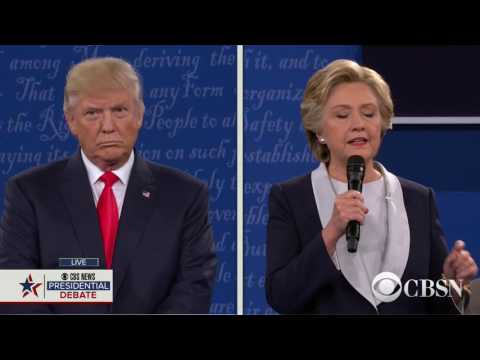
Watch Live: The 2nd Presidential Debate
0
楊鑫 posted on 2016/10/18Ever wondered how politicians tackle tough questions on immigration and foreign policy? This video dives into the 2nd Presidential Debate, giving you a fantastic chance to pick up advanced vocabulary and understand complex sentence structures used in real-world political discussions. You'll gain cultural depth and knowledge on key issues while sharpening your listening skills with this engaging town hall format!
Learn this video on the APP!
The VoiceTube App has more in-depth practice for videos!