
addiction
US /əˈdɪkʃən/
UK /əˈdɪkʃn/
- Noun (Countable/Uncountable)
- Lack of control the overuse of something e.g. drugs
- A compulsive physiological need for a habit-forming substance.
B1TOEICMoreafter all
US /ˈæftɚ ɔl/
UK /ˈɑ:ftə ɔ:l/
- Adverb
- In spite of what was expected; used to introduce a statement that supports a previous statement or explains why it was made
- Considering everything; used to indicate that something is happening or is true despite some difficulty or obstacle
- Phrase
- Despite what was expected or thought; in spite of everything.
- Taking everything into consideration; considering that.
B1Morealong with
US /əˈlɔŋ wɪð/
UK /əˈlɔŋ wið/
- Preposition
- In addition to; together with.
- Adverb
- In company or together with someone or something.
- Including; in addition to.
A2Moreannual
US /ˈænjuəl/
UK /ˈænjuəl/
- Adjective
- Happening once a year, or every year
- Noun
- Book (in a series) released each year
A2TOEICMoreapart from
US /əˈpɑrt frʌm/
UK /əˈpɑ:t frɔm/
- Preposition
- Except for; not considering
- In addition to; as well as
as for
US /æz fɔr/
UK /æz fɔ:/
- Preposition
- Concerning; regarding.
- Phrase
- Used to introduce a new topic or aspect of a subject.
A1Moreat that time
US /æt ðæt taɪm/
UK /æt ðæt taim/
- Phrase
- During a specific point in the past.
A1Moreautonomy
US /ɔˈtɑnəmi/
UK /ɔ:'tɒnəmɪ/
- Uncountable Noun
- The power to make independent decisions
B1Moreavoid
US /əˈvɔɪd/
UK /ə'vɔɪd/
- Transitive Verb
- To prevent from happening
- To stay away from
A2TOEICMoreback then
US
UK
- Phrase
- At that time in the past.
A1Morebandit
US /ˈbændɪt/
UK /ˈbændɪt/
- Countable Noun
- Robber or outlaw belonging to a gang
B2Moreblend
US /blɛnd/
UK /blend/
- Transitive Verb
- To combine different elements or substances
- To mix ingredients when cooking
- Noun
- Product known for mixing ingredients
B1Morebump
US /bʌmp/
UK /bʌmp/
- Verb (Transitive/Intransitive)
- To bounce along over a rough surface
- To knock against with force or violence
- Noun
- Act or sound of one solid object hitting another
- Raised area on any smooth surface
B1Morebunch
US /bʌntʃ/
UK /bʌntʃ/
- Noun (Countable/Uncountable)
- A group of things of the same kind
- A group of people.
- Transitive Verb
- To group people or things closely together
B1Morebureau
US /ˈbjʊro/
UK /'bjʊərəʊ/
- Noun
- Administrative unit of government
B1Moreby the numbers
US
UK
- Phrase
- In a methodical, step-by-step manner; according to a strict procedure.
- Adjective
- Predictable; following a formula or cliché.
A1Morechameleon
US /kəˈmiljən, -ˈmiliən/
UK /kəˈmi:liən/
- Countable Noun
- Reptile that can change colors as camouflage
C1Morecheck out
US /tʃɛk aʊt/
UK /tʃek aut/
- Phrase
- Phrasal Verb
- To find out information about something
- To take books out of a library
A1Moreclarify
US /ˈklærəˌfaɪ/
UK /'klærəfaɪ/
- Transitive Verb
- To make a liquid become clear or pure
- To state again so that a point is clearer
B1Morecolonial
US /kəˈloʊniəl/
UK /kəˈləʊniəl/
- Adjective
- Of a system where one country controls another
B2Morecolonize
US /ˈkɑləˌnaɪz/
UK /'kɒlənaɪz/
- Transitive Verb
- To take control over place and live there
B2Morecorruption
US /kəˈrʌpʃən/
UK /kəˈrʌpʃn/
- Uncountable Noun
- State of being damaged or spoiled
- Illegal, immoral dishonesty
B1Morecrack
US /kræk/
UK /kræk/
- Noun (Countable/Uncountable)
- Attempt to achieve a goal or objective
- Unexpected and hard hit to the body
- Verb (Transitive/Intransitive)
- To attempt to achieve a goal or objective
- To hit someone or something hard and unexpectedly
B1Moredecent
US /ˈdisənt/
UK /ˈdi:snt/
- Adjective
- Being fairly good; acceptable
- Conforming to conventionally accepted standards of behaviour; respectable or moral.
B1Moredevastation
US /ˌdevəˈsteɪʃn/
UK /ˌdevəˈsteɪʃn/
- Uncountable Noun
- Act of ruining or destroying something
- A feeling of being extremely shocked and sad.
B1Morediet
US /ˈdaɪɪt/
UK /'daɪət/
- Intransitive Verb
- To eat special or less food, as to lose weight
- Noun (Countable/Uncountable)
- Plan of eating to reduce weight or improve health
- The usual food and drink consumed by an organism (person or animal)
A2TOEICMoreexecute
US /ˈɛksɪˌkjut/
UK /ˈeksɪkju:t/
- Transitive Verb
- To kill someone, usually as an official punishment
- To perform a plan or action
B1TOEICMoreexile
US /ˈɛɡˌzaɪl, ˈɛkˌsaɪl/
UK /'eksaɪl/
- Uncountable Noun
- State of being forced to leave your country
- Transitive Verb
- One forced to leave their home and live elsewhere
B2Morefirst off
US /fɚst ɔf/
UK /fə:st ɔf/
- Phrase
- To begin with; firstly.
- Most importantly; above all else.
A1Morefirst three
US
UK
- Determiner
- The initial three items or elements in a series or sequence.
- Adjective
- Referring to the top three positions in a ranking or competition.
A1Morefor example
US
UK
- Phrase
- As an illustration or instance.
get on with
US /ɡɛt ɑn wɪð/
UK /ɡet ɔn wið/
- Phrasal Verb
- To have a good relationship with someone
golden ticket
US
UK
- Noun (Countable/Uncountable)
- A ticket that grants the holder special access or privileges.
- Something that provides a unique opportunity or advantage.
A1Moregovernor
US /ˈgʌvərnə(r)/
UK /ˈgʌvənə(r)/
- Noun
- Person who leads a state or province
B2Moreheadache
US /ˈhed.eɪk/
UK /ˈhed.eɪk/
- Noun (Countable/Uncountable)
- Pain in the head
- Something that causes worry or annoyance.
B2Morehold on
US /hold ɑn/
UK /həuld ɔn/
- Phrasal Verb
- To wait for someone (e.g. on a phone call)
- To wait for a short time.
A1Morein action
US
UK
- Phrase
- Actively doing something; performing a task or duty.
in fact
US /ɪn fækt/
UK /in fækt/
- Adverb
- Used to emphasize the truth of a statement, especially one that contrasts with or contradicts something else.
- Used to introduce a more detailed or surprising piece of information.
- Phrase
- Used to emphasize the truth of a statement, especially one that is surprising or contrary to what might be expected.
C1Morein the end
US /ɪn ði ɛnd/
UK /in ðə end/
- Phrase
- Finally; after a period of time or series of events.
- Ultimately; as the final result or consequence.
A1Moreincident
US / ˈɪnsɪdənt/
UK /ˈɪnsɪdənt/
- Noun (Countable/Uncountable)
- Event, usually unusual or important; accident
- A political event that causes difficulties.
A2Moreinvade
US /ɪnˈved/
UK /ɪnˈveɪd/
- Transitive Verb
- To enter something causing a harmful result
- To enter (a country or region) so as to subjugate or occupy it.
B1Morejudicial
US /dʒuˈdɪʃəl/
UK /dʒuˈdɪʃl/
- Adjective
- Concerning the orders and laws of a court
B2Moreknock it off
US /nɑk ɪt ɔf/
UK /nɔk it ɔf/
- Phrasal Verb
- Stop doing something annoying or disruptive.
- Interjection
- Stop doing something annoying or disruptive.
A1Morelook back
US /lʊk bæk/
UK /luk bæk/
- Phrasal Verb
- To think about past events
A1Moremake ends meet
US
UK
- Verb (Transitive/Intransitive)
- To manage to live on the money you have.
- Phrase
- To earn just enough money to be able to pay for the things you need
A1Moremess
US /mɛs/
UK /mes/
- Noun (Countable/Uncountable)
- Something that is untidy, dirty or unclean
- A difficult or confused situation.
- Transitive Verb
- To make something untidy or dirty
A2Moremilitia
US /məˈlɪʃə/
UK /məˈlɪʃə/
- Noun (Countable/Uncountable)
- Local armed forces to assist the police
B2Moremonopoly
US /məˈnɑpəli/
UK /mə'nɒpəlɪ/
- Noun (Countable/Uncountable)
- Complete market control for a service or product
- A board game in which players try to gain monopolies on properties as their opponents are forced to pay them rent.
C2Moreobserve
US /əbˈzɜ:rv/
UK /əbˈzɜ:v/
- Verb (Transitive/Intransitive)
- To celebrate a particular holiday/religious event
- To obey or follow laws, rules, or customs
A2TOEICMoreon point
US
UK
- Adjective
- Perfectly done; exactly right.
- Relevant and appropriate; pertinent.
A1Moreon the other hand
US
UK
- Phrase
- Considering a different aspect of the matter; alternatively.
A1Moreopium
US /ˈopiəm/
UK /ˈəʊpiəm/
- Uncountable Noun
- Addictive drug made from the seeds of a poppy
C1Moreordinance
US /ˈɔrdnəns/
UK /ˈɔ:dɪnəns/
- Noun
- Law, especially a local one; statute
C1Morepolite
US /pəˈlaɪt/
UK /pəˈlaɪt/
- Adjective
- Showing good manners or respect for other people
A2TOEICMoreprevent
US /prɪˈvɛnt/
UK /prɪ'vent/
- Transitive Verb
- To stop something from happening or existing
A2TOEICMoreproclaim
US /proˈklem, prə-/
UK /prə'kleɪm/
- Transitive Verb
- To indicate or show something clearly
B2Morerationally
US /'ræʃnəlɪ/
UK /'ræʃnəlɪ/
- Adverb
- In a carefully considered manner
B2Morereference
US /ˈrɛfərəns, ˈrɛfrəns/
UK /'refrəns/
- Noun
- A letter of recommendation, e.g. for a job
- Note in a book, etc. giving source of information
- Transitive Verb
- To cite a piece of research in speech or writing
- Mention or refer to.
A2TOEICMorerevenue
US /ˈrevənju/
UK /'revənju:/
- Noun (Countable/Uncountable)
- Money that is made by or paid to a business
- Money a government collects from its people
A2TOEICMoreroot
US /rut, rʊt/
UK /ru:t/
- Noun (Countable/Uncountable)
- Emotional connection with a place, history etc.
- The origin or starting place of something
- Transitive Verb
- To cause a plant to develop or grow roots
- (Animals) to search for e.g. food in earth
A2Morerule in
US
UK
- Phrasal Verb
- To make an official decision in favor of someone in a legal case.
B1Moresake
US /sek/
UK /seɪk/
- Uncountable Noun
- Japanese rice wine
- Noun
- Interest or benefit of someone or something
A2Moresave the day
US /sev ði de/
UK /seiv ðə dei/
- Idiom
- To prevent a disaster or failure; to rescue a situation.
A1Moreshin
US /ʃɪn/
UK /ʃɪn/
- Noun
- Front part of the lower leg, beneath the knee
- Intransitive Verb
- To climb up (tree or wall)
B2Morespill the beans
US
UK
- Idiom
- To reveal a secret or private information, often unintentionally.
A1Morestrip
US /strɪp/
UK /strɪp/
- Transitive Verb
- To remove your clothes (often sexily for someone)
- To remove something, e.g. paint from a wall
- Countable Noun
- Long narrow piece, such as ribbon or land
B1Moresufficient
US /səˈfɪʃənt/
UK /səˈfɪʃnt/
- Adjective
- Having or providing enough when needed
A2TOEICMoresurveillance
US /sɚˈveləns/
UK /sɜ:'veɪləns/
- Uncountable Noun
- Careful watching of a person/place, e.g. by police
B2TOEICMorethanks to
US /θæŋks tu/
UK /θæŋks tu:/
- Preposition
- Because of; as a result of.
A1Moreto bits
US
UK
- Phrase
- Broken into many small pieces; completely ruined.
- Very much; thoroughly.
A2Moreto let
US /tu lɛt/
UK /tu let/
- Preposition
- Indicates that a property is available for rent.
A2Moretreaty
US /ˈtriti/
UK /ˈtri:ti/
- Noun
- An agreement between nations
B1TOEICMorewaste
US /west/
UK /weɪst/
- Transitive Verb
- To kill or severely harm someone
- To use valuable things ineffectively
- Uncountable Noun
- Materials left over after a process has finished
A2TOEICMorewestern countries
US
UK
- Noun (plural)
- Countries generally located in Europe and North America, characterized by democratic governments and capitalist economies.
- Nations that share similar cultural values, including individualism, secularism, and a focus on human rights.
B1Morewhopping
US /ˈwɑ:pɪŋ/
UK /ˈwɒpɪŋ/
- Adjective
- (Informal) huge; very big
C1Morewith it
US /wɪð ɪt/
UK /wið it/
- Adjective
- Intelligent, alert, and up-to-date.
- Understanding and knowledgeable about current trends or information.
A1Morewound
US /waʊnd/
UK /waʊnd/
- Transitive Verb
- To rotate a part of say a watch to make it work
- To hurt someone emotionally
- Noun (Countable/Uncountable)
- Sadness or displeasure caused by a bad memory
- Physical injury, especially that suffered in war
A2More
Vocabulary
- at that time: During a specific point in the past.
- in fact: Used to emphasize the truth of a statement, especially one that contrasts with or contradicts something else.
- for example: As an illustration or instance.
- on point: Perfectly done; exactly right.
- spill the beans: To reveal a secret or private information, often unintentionally.
- rule in: To make an official decision in favor of someone in a legal case.
- to bits: Broken into many small pieces; completely ruined.
- first three: The initial three items or elements in a series or sequence.
- apart from: Except for; not considering
- in action: Actively doing something; performing a task or duty.
- by the numbers: In a methodical, step-by-step manner; according to a strict procedure.
- make ends meet: To manage to live on the money you have.
- hold on: To wait for someone (e.g. on a phone call)
- back then: At that time in the past.
- as for: Concerning; regarding.
- save the day: To prevent a disaster or failure; to rescue a situation.
- golden ticket: A ticket that grants the holder special access or privileges.
- in the end: Finally; after a period of time or series of events.
- with it: Intelligent, alert, and up-to-date.
- get on with: To have a good relationship with someone
- first off: To begin with; firstly.
- thanks to: Because of; as a result of.
- on the other hand : Considering a different aspect of the matter; alternatively.
- along with: In addition to; together with.
- knock it off: Stop doing something annoying or disruptive.
- western countries: Countries generally located in Europe and North America, characterized by democratic governments and capitalist economies.
- look back: To think about past events
- after all: In spite of what was expected; used to introduce a statement that supports a previous statement or explains why it was made
- to let: Indicates that a property is available for rent.
- check out
- bunch: A group of things of the same kind
- decent: Being fairly good; acceptable
- revenue: Money that is made by or paid to a business
- force: Group of persons trained for military action; army
- mess: Something that is untidy, dirty or unclean
- whopping: (Informal) huge; very big
- crack: Attempt to achieve a goal or objective
- prevent: To stop something from happening or existing
- surveillance: Careful watching of a person/place, e.g. by police
- autonomy: The power to make independent decisions
- reference: A letter of recommendation, e.g. for a job
- avoid: To prevent from happening
- sake: Japanese rice wine
- addiction: Lack of control the overuse of something e.g. drugs
- observe: To celebrate a particular holiday/religious event
- polite: Showing good manners or respect for other people
- strip: To remove your clothes (often sexily for someone)
- incident: Event, usually unusual or important; accident
- blend: To combine different elements or substances
- diet: To eat special or less food, as to lose weight
- corruption: State of being damaged or spoiled
- monopoly: Complete market control for a service or product
- bump: To bounce along over a rough surface
- root: Emotional connection with a place, history etc.
- wound: To rotate a part of say a watch to make it work
- annual: Happening once a year, or every year
- sufficient: Having or providing enough when needed
- waste: To kill or severely harm someone
- arrest: To attract someone's attention and hold interest
- invade: To enter something causing a harmful result
- public: Owned by the government
- execute: To kill someone, usually as an official punishment
- government: Group of people and system that rule a nation
- proclaim: To indicate or show something clearly
- exile: State of being forced to leave your country
- fill: To make something full
- clarify: To make a liquid become clear or pure
- land: Region or country
- colonial: Of a system where one country controls another
- treaty: An agreement between nations
- devastation: Act of ruining or destroying something
- understand: To know the meaning of language, what someone says
- start: First time or place that a thing exists; beginning
- finally: used especially at the beginning of a sentence to introduce the last point or idea
- bureau: Administrative unit of government
- colonize: To take control over place and live there
- problem: Something difficult to deal with or causes trouble
- chameleon: Reptile that can change colors as camouflage
- time: Speed at which music is played; tempo
- militia: Local armed forces to assist the police
- headache: Pain in the head
- people: Persons sharing culture, country, background, etc.
- governor: Person who leads a state or province
- hand: Cards given to a player in a card game
- judicial: Concerning the orders and laws of a court
- close: Almost; near
- opium: Addictive drug made from the seeds of a poppy
- rationally: In a carefully considered manner
- intro: Opening part of a text or piece of music
- bandit: Robber or outlaw belonging to a gang
- ordinance: Law, especially a local one; statute
- shin: Front part of the lower leg, beneath the knee
Get the full experience in the app
Learn anywhere with detailed sentence and usage analysis
01:03
She took a brave step forward, leaving behind her comfort zone to chase her dreams.
Vocabulary
- brave
adj. Having courage
- comfort zone
phr. A familiar situation where one feels safe
Explanation
a brave step is a noun phrase, where brave is an adjective modifying the noun step, meaning "a courageous step".
forward is an adverb modifying step, meaning "ahead".
The whole phrase serves as the object, answering the "what" of took (verb) — she took a brave step forward.
Get the full experience in the app
Look up words anytime with pronunciation, part of speech, and usage
brave
US/brev/
UK/breɪv/
adj.Brave
v.t.To bravely face
A2 Elementary
Get the full experience in the app
Practice speaking anytime and get instant pronunciation feedback
Try this speaking exercise.
Try practicing with this sentence.
80
0
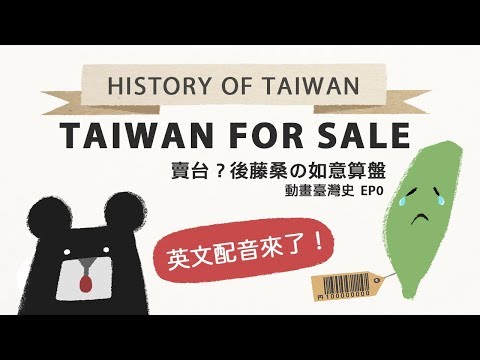
kiki posted on 2018/03/23Ever wondered about Taiwan's fascinating past? This video dives into its history under Japanese colonial rule, exploring key figures and policies like the opium monopoly. You'll gain a deeper cultural understanding and pick up useful vocabulary along the way!
Learn this video on the APP!
The VoiceTube App has more in-depth practice for videos!