
ability
US /əˈbɪlɪti/
UK /ə'bɪlətɪ/
- Noun (Countable/Uncountable)
- The power, resources or skill to do something
- A particular skill or talent.
A2TOEICMoreactivation
US /ˌæktɪ'veɪʃn/
UK /ˌæktɪ'veɪʃn/
- Noun
- Act of making something (e.g. a bomb) active
B1Moreas a whole
US /æz e hol/
UK /æz ə həul/
- Phrase
- Considering everything together; in general.
- Complete; not divided or incomplete.
- Adjective
- Complete; not divided or fragmented.
A1Moreas for
US /æz fɔr/
UK /æz fɔ:/
- Preposition
- Concerning; regarding.
- Phrase
- Used to introduce a new topic or aspect of a subject.
A1Moreaverage
US /ˈævərɪdʒ, ˈævrɪdʒ/
UK /'ævərɪdʒ/
- Noun (Countable/Uncountable)
- Total of numbers divided by the number of items
- Transitive Verb
- To add numbers then divide by the number of items
A2TOEICMoreberry
US /ˈbɛri/
UK /'berɪ/
- Countable Noun
- Small, round fruit from plants and trees
B2Morechin
US /tʃɪn/
UK /tʃɪn/
- Noun
- Part of your face below your mouth above your neck
B2Morecondition
US /kənˈdɪʃən/
UK /kənˈdɪʃn/
- Transitive Verb
- To improve something to make it better
- To cause to behave automatically in a certain way
- Noun (Countable/Uncountable)
- Disease or other medical problem
- The state of living you are in, e.g. good health
A2Morededicated
US /ˈdɛdɪˌketɪd/
UK /'dedɪkeɪtɪd/
- Transitive Verb
- To state a person's name in book, song, in respect
- To give your energy, time, etc. completely
- Adjective
- Devoted to a task or purpose; having single-minded loyalty or integrity.
- Designed for or devoted to a specific purpose or task.
B1Moredirection
US /dɪˈrɛkʃən, daɪ-/
UK /də'rekʃn/
- Noun (Countable/Uncountable)
- When someone tells people what to do
- Describes the way you are going, e.g. North
A2TOEICMoredistinctive
US /dɪˈstɪŋktɪv/
UK /dɪˈstɪŋktɪv/
- Adjective
- Having a quality that is different from others
- Having a quality or characteristic that makes a person or thing different from others; easily distinguishable.
A2TOEICMoredue to
US /du tu/
UK /dju: tu:/
- Preposition
- Because of; owing to
- Adjective
- Attributable to; caused by.
A1Moreencounter
US /ɛnˈkaʊntɚ/
UK /ɪn'kaʊntə(r)/
- Verb (Transitive/Intransitive)
- To come up against a problem or trouble; meet
- To meet someone or something unexpectedly
- Noun
- A chance meeting; unexpected or unplanned meeting
B1TOEICMoreexistence
US /ɪɡˈzɪstəns/
UK /ɪɡ'zɪstəns/
- Uncountable Noun
- State of being present, alive or real
- A way of living; the manner in which someone lives.
A2TOEICMorefacial
US /ˈfeʃəl/
UK /'feɪʃl/
- Noun (Countable/Uncountable)
- Treatment to improve condition of the skin of face
- Adjective
- Concerning or on the face
B2Morefigure out
US /ˈfɪɡjɚ aʊt/
UK /ˈfiɡə aut/
- Phrasal Verb
- To understand the behavior of someone
- To think through logically to find a solution
- Verb (Transitive/Intransitive)
- To understand or find an answer to something.
- To find a solution to a problem or understand something.
A1Morefor example
US
UK
- Phrase
- As an illustration or instance.
fraction
US /ˈfrækʃən/
UK /ˈfrækʃn/
- Noun (Countable/Uncountable)
- Small part of something
- A numerical quantity that is not a whole number (e.g., 1/2, 0.5).
B1TOEICMoregender
US /ˈdʒɛndɚ/
UK /'dʒendə(r)/
- Noun
- State of being male or female
- The socially constructed roles, behaviours, expressions and identities of people.
- Transitive Verb
- To assign a gender to; to consider something in terms of gender.
B1Moregenerally
US /ˈdʒɛnərəli/
UK /ˈdʒenrəli/
- Adverb
- Usually; as a rule; by, to or for most people
A2Moregrandmother
US /ˈɡrændˌmʌðɚ, ˈɡræn-/
UK /ˈgrænmʌðə(r)/
- Noun
- Your mother or father's mother
B2Morehave to
US /hæv tu/
UK /ˈhæv tə/
- Auxiliary Verb
- Must do
A1Morehuge
US /hjudʒ/
UK /hju:dʒ/
- Adjective
- Very very large
A2Moreidentify
US /aɪˈdɛntəˌfaɪ/
UK /aɪ'dentɪfaɪ/
- Transitive Verb
- To indicate who or what someone or something is
- To say exactly what something is
B1TOEICMoreimplant
US /ɪmˈplænt/
UK /ɪmˈplɑ:nt/
- Transitive Verb
- To put something into, an idea in someone's mind
- To put medical material in, as to improve teeth
- Noun
- Medical material, thing to improve the teeth, body
B2Morein other words
US
UK
- Phrase
- Stating something in a different way, often to make it clearer or more understandable.
incredibly
US /ɪnˈkrɛdəblɪ/
UK /ɪnˈkredəbli/
- Adverb
- To a great degree; very; amazingly
- Extremely; so much so it is hard to believe
A2Moreintuitively
US /ɪnˈtjuɪtɪvlɪ/
UK /ɪn'tju:ɪtɪvlɪ/
- Adverb
- In a manner based on feelings rather than facts
B2Morejaw
US /dʒɔ/
UK /dʒɔ:/
- Noun (Countable/Uncountable)
- One of the two bones of the face where teeth grow
- Intransitive Verb
- To talk with a lot of energy for a long time
B1Morejealous
US /ˈdʒɛləs/
UK /ˈdʒeləs/
- Adjective
- Wishing you were like someone or had their things
A2Morelighten
US /ˈlaɪtn:/
UK /'laɪtn/
- Transitive Verb
- To make (something) weigh less
B1Morelook at
US /lʊk æt/
UK /luk æt/
- Phrasal Verb
- To use your eyes to focus on something
- To focus your eyes on something carefully
A1Moreneuron
US /ˈnʊrˌɑn, ˈnjʊr-/
UK /ˈnʊərˌɔn, ˈnjʊər-/
- Noun
- A nerve cell
B2Moreoatmeal
US /ˈoʊtmi:l/
UK /ˈəʊtmi:l/
- Uncountable Noun
- Cereal made from rolled or ground oats
- Oats that have been ground or rolled, used as an ingredient in cooking.
- Adjective
- Having a pale beige or light brown color, like that of oatmeal.
C2Moreperception
US /pɚˈsɛpʃən/
UK /pəˈsepʃn/
- Noun (Countable/Uncountable)
- Way in which one sees or understands something
- The ability to see, hear, or become aware of something through the senses.
B1Morequick look
US /kwɪk lʊk/
UK /kwik luk/
- Noun
- A brief or cursory inspection or examination.
- A swift or brief glance.
A1Morerather than
US
UK
- Adverb
- More exactly; more correctly
- Preferably; instead
- Preposition
- Instead of
A1Morerecognition
US /ˌrɛkəɡˈnɪʃən/
UK /ˌrekəgˈnɪʃn/
- Uncountable Noun
- Accepting that something is true or that it exists
- Considering something as important or special
B1TOEICMorerecognize
US /ˈrek.əɡ.naɪz/
UK /ˈrek.əɡ.naɪz/
- Transitive Verb
- To accept the truth or reality of something
- To consider something as important or special
A2TOEICMoresignificant
US /sɪɡˈnɪfɪkənt/
UK /sɪgˈnɪfɪkənt/
- Adjective
- Large enough to be noticed or have an effect
- Having meaning; important; noticeable
A2TOEICMoreskull
US /skʌl/
UK /skʌl/
- Noun
- Structure of bones forming the face and head
B2Moresuffer
US / ˈsʌfɚ/
UK /'sʌfə(r)/
- Verb (Transitive/Intransitive)
- To experience pain, illness, or injury
- To allow or permit something, especially something unpleasant.
A2Moresuffer from
US /ˈsʌfɚ frʌm/
UK /ˈsʌfə frɔm/
- Intransitive Verb
- To experience pain or distress; to be badly affected by.
A1Moresustain
US /səˈsten/
UK /sə'steɪn/
- Transitive Verb
- To lengthen or continue to do something
- To support or maintain someone or something
B2TOEICMoretendency
US /ˈtɛndənsi/
UK /'tendənsɪ/
- Noun
- Likelihood to behave in a particular way
A2Moretiny
US /ˈtaɪni/
UK /'taɪnɪ/
- Adjective
- Very, very small
A2Morevector
US /ˈvɛktɚ/
UK /'vektə(r)/
- Noun
- Math a quantity that has both size and direction
B2Morewarp
US /wɔ:rp/
UK /wɔ:p/
- Noun
- Twist or bend in something normally straight
- Transitive Verb
- To influence someone to become bad/do evil thing
B2Morewith it
US /wɪð ɪt/
UK /wið it/
- Adjective
- Intelligent, alert, and up-to-date.
- Understanding and knowledgeable about current trends or information.
A1More
Vocabulary
- for example: As an illustration or instance.
- quick look: A brief or cursory inspection or examination.
- look at: To use your eyes to focus on something
- figure out: To understand the behavior of someone
- as a whole: Considering everything together; in general.
- rather than: More exactly; more correctly
- as for: Concerning; regarding.
- suffer from: To experience pain or distress; to be badly affected by.
- due to: Because of; owing to
- with it: Intelligent, alert, and up-to-date.
- in other words: Stating something in a different way, often to make it clearer or more understandable.
- have to: Must do
- perception: Way in which one sees or understands something
- incredibly: To a great degree; very; amazingly
- significant: Large enough to be noticed or have an effect
- recognize: To accept the truth or reality of something
- figure: To appear in a game, play or event
- dedicated: To state a person's name in book, song, in respect
- average: Total of numbers divided by the number of items
- encounter: To come up against a problem or trouble; meet
- identify: To indicate who or what someone or something is
- measure: Plan to achieve a desired result
- ability: The power, resources or skill to do something
- tendency: Likelihood to behave in a particular way
- existence: State of being present, alive or real
- brain: To strike someone forcefully on the head
- fraction: Small part of something
- condition: To improve something to make it better
- suffer: To experience pain, illness, or injury
- distinctive: Having a quality that is different from others
- sustain: To lengthen or continue to do something
- tiny: Very, very small
- generally: Usually; as a rule; by, to or for most people
- recognition: Accepting that something is true or that it exists
- jealous: Wishing you were like someone or had their things
- direction: When someone tells people what to do
- simply: In an easy or clear manner
- huge: Very very large
- compare: To consider how similar and different things are
- due: When something is required or expected
- neuron: A nerve cell
- gender: State of being male or female
- mood: Emotion or a state of mind; how you feel
- record: Highest or most extreme level achieved
- shape: The outer form of something, what it looks like
- skull: Structure of bones forming the face and head
- single: One run in cricket or a hit baseball
- intuitively: In a manner based on feelings rather than facts
- crash: To damage an object by causing it to hit something
- facial: Treatment to improve condition of the skin of face
- point: An item to be discussed
- jaw: One of the two bones of the face where teeth grow
- chin: Part of your face below your mouth above your neck
- remember: To give someone a gift, e.g. birthday, wedding
- quick: Using very little time; moving far in little time
- space: Empty area kept for a specific reason, like a car
- oatmeal: Cereal made from rolled or ground oats
- implant: To put something into, an idea in someone's mind
- warp: Twist or bend in something normally straight
- activation: Act of making something (e.g. a bomb) active
- lighten: To make (something) weigh less
- vector: Math a quantity that has both size and direction
- berry: Small, round fruit from plants and trees
- grandmother: Your mother or father's mother
Get the full experience in the app
Learn anywhere with detailed sentence and usage analysis
01:03
She took a brave step forward, leaving behind her comfort zone to chase her dreams.
Vocabulary
- brave
adj. Having courage
- comfort zone
phr. A familiar situation where one feels safe
Explanation
a brave step is a noun phrase, where brave is an adjective modifying the noun step, meaning "a courageous step".
forward is an adverb modifying step, meaning "ahead".
The whole phrase serves as the object, answering the "what" of took (verb) — she took a brave step forward.
Get the full experience in the app
Look up words anytime with pronunciation, part of speech, and usage
brave
US/brev/
UK/breɪv/
adj.Brave
v.t.To bravely face
A2 Elementary
Get the full experience in the app
Practice speaking anytime and get instant pronunciation feedback
Try this speaking exercise.
Try practicing with this sentence.
80
Your Brain's Facial Recognition Technology
0
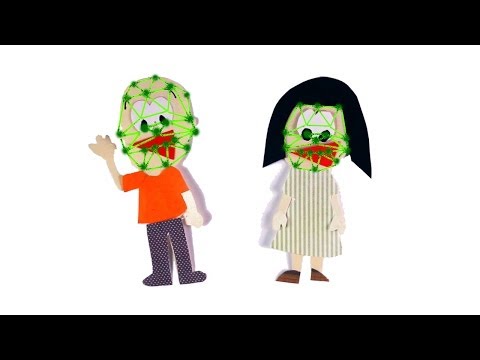
Sofi posted on 2022/05/25Ever wondered how your brain recognizes faces so quickly, or what happens when it doesn't? This fascinating video dives into the neuroscience of facial recognition, explaining concepts like 'face-space' and 'prosopagnosia'. You'll boost your vocabulary with advanced terms and gain a deeper understanding of this incredible human ability!
Learn this video on the APP!
The VoiceTube App has more in-depth practice for videos!