
appetite
US /ˈæpɪˌtaɪt/
UK /'æpɪtaɪt/
- Noun
- Feeling of hunger or desire for something
B1Moreat least
US /æt list/
UK /æt li:st/
- Adverb
- As a minimum
- Not less than
- Phrase
- No less than; at the minimum
- Used to indicate that something is positive in a bad situation.
C2Moreat the same time
US
UK
- Phrase
- Simultaneously; at the identical moment.
- Nevertheless; however; used to introduce a contrasting or qualifying statement.
A1Morebill
US /bɪl/
UK /bɪl/
- Noun
- Plan for a new law being discussed by a government
- Sign or poster advertising something
- Transitive Verb
- To request payment by handing over an invoice
A2TOEICMorecasual
US /ˈkæʒuəl/
UK /ˈkæʒuəl/
- Adjective
- Being careless or having little thought or effort
- (Of clothes, etc.) not formal; easy to wear
- Countable Noun
- A worker employed on a temporary or irregular basis.
- A job as a musician that is not regular or permanent.
A2Morecombo
US /ˈkɑːmboʊ/
UK /ˈkɒmbəʊ/
- Noun
- A small number of things that are combined or used together.
B1Morecome back
US /kʌm bæk/
UK /kʌm bæk/
- Phrasal Verb
- To reply to someone, often forcefully
- To be remembered
A1Morecome up to
US
UK
- Phrasal Verb
- To meet expectations
A1Moredessert
US /dɪˈzɜ:rt/
UK /dɪˈzɜ:t/
- Noun
- Sweet food usually eaten at the end of a meal
B2Moredining
US /'daɪnɪŋ/
UK /'daɪnɪŋ/
- Intransitive Verb
- To eat
- Uncountable Noun
- The activity of eating a meal.
A2Moredo in
US
UK
- Phrasal Verb
- To make completely tired out and exhausted
- To destroy or cause damage to someone
A1Moredown with
US /daʊn wɪð/
UK /daun wið/
- Adjective
- Suffering from an illness.
- Agreeable to; in favor of.
- Interjection
- An expression of opposition to something.
A1Moreextra
US /'ekstrə/
UK /'ekstrə/
- Adjective
- More than necessary; additional
- Of especially good quality or grade.
- Noun (Countable/Uncountable)
- Items more than you need; additional items
- Person who has a small part in a movie
A2Morefine
US /faɪn/
UK /faɪn/
- Adjective
- Good, acceptable or satisfactory
- Of high quality; made with great skill
- Countable Noun
- Money you have to pay because you broke a rule
- (at the end of a piece of music) the end
A2TOEICMorefor free
US /fɔr fri/
UK /fɔ: fri:/
- Phrase
- Without charge; at no cost.
- Adjective
- Available without payment.
A2Morefor sure
US /fɔr ʃʊr/
UK /fɔ: ʃuə/
- Adverb
- Definitely; certainly; without a doubt.
- Used to emphasize a statement.
- Interjection
- An expression of strong agreement or affirmation.
A2Morefor the rest
US /fɔr ði rɛst/
UK /fɔ: ðə rest/
- Phrase
- Concerning the remaining people or things.
- During the remaining part of a period of time.
A1Moregot to
US /ɡɑt tu/
UK /gɔt tu:/
- Verb (Transitive/Intransitive)
- To arrive at some place
- To have the opportunity or permission to do something
- Phrasal Verb
- To appeal to the emotions of; move
- To finally begin to start something after a delay
A1Morehave to
US /hæv tu/
UK /ˈhæv tə/
- Auxiliary Verb
- Must do
A1Moreinstead of
US /ɪnˈstɛd ʌv/
UK /inˈsted ɔv/
- Preposition
- When one thing is replaced by another
- Adverb
- As a substitute or alternative.
A1Moreleg up
US /lɛɡ ʌp/
UK /leɡ ʌp/
- Noun
- Assistance given to someone by lifting or pushing them up.
- An advantage that helps someone to succeed.
A1Morelook at
US /lʊk æt/
UK /luk æt/
- Phrasal Verb
- To use your eyes to focus on something
- To focus your eyes on something carefully
A1Moremake it big
US
UK
- Intransitive Verb
- To become very successful or famous.
name for
US
UK
- Phrasal Verb
- To give someone or something a particular name, often in honor of someone else.
A1Morenecessarily
US /ˌnɛsɪˈsɛrəli, -ˈsɛr-/
UK /ˌnesəˈserəli/
- Adverb
- In a way that is needed/required/is unavoidable
A2TOEICMoreof course
US /ʌv kɔː(r)s/
UK /ɔv kɔː(r)s/
- Adverb
- Sure ; Certainly
- Phrase
- For sure; certainly
A2Moreof means
US /ʌv minz/
UK /əv mi:nz/
- other
- Having resources or wealth available for use.
B2Morepercent
US /pɚˈsɛnt/
UK /pə'sent/
- Adverb
- One one-hundredth of a whole; the symbol %
- Noun (Countable/Uncountable)
- A proportion multiplied by 100
- A specified amount in every hundred
A2TOEICMorepoliteness
US /pəˈlaɪtnɪs/
UK /pə'laɪtnəs/
- Uncountable Noun
- Showing respect for others
B1Morereservation
US /ˌrɛzɚˈveʃən/
UK /ˌrezə'veɪʃn/
- Noun (Countable/Uncountable)
- Arrangement to keep a room or table for you
- Area of land kept for indigenous peoples
A2TOEICMoresame time
US
UK
- Phrase
- Occurring simultaneously or at the same point in time.
- At the identical time as before; recurring at a fixed hour.
- Noun
- An equal duration or period.
A1Moreserve
US /sɚv/
UK /sɜ:v/
- Verb (Transitive/Intransitive)
- To act in a particular position or office
- To hit the first ball to an opponent in tennis etc.
A2TOEICMoreshrimp
US /ʃrɪmp/
UK /ʃrɪmp/
- Countable Noun
- Small edible salt-water shellfish with many legs
- Someone who is small and weak
B1Moresit down
US /sit daʊn/
UK /sit daun/
- Phrasal Verb
- To take a seat
A1Morestart off
US /stɑrt ɔf/
UK /stɑ:t ɔf/
- Phrasal Verb
- To begin or commence something.
- To begin a journey.
B2Moresteak
US /stek/
UK /steɪk/
- Noun (Countable/Uncountable)
- Thick slice of meat from animal or large fish
A2Morestuff
US /stʌf/
UK /stʌf/
- Uncountable Noun
- Generic description for things, materials, objects
- Transitive Verb
- To push material inside something, with force
B1Moresubstitute
US /ˈsʌbstɪˌtut, -ˌtjut/
UK /'sʌbstɪtju:t/
- Transitive Verb
- To perform the tasks instead of someone else
- To replace one person or thing for another
- Noun
- A person or thing acting in place of another
B2TOEICMoresubstitution
US /ˌsʌbstɪˈtuʃən, -ˈtju-/
UK /ˌsʌbstɪ'tju:ʃn/
- Noun
- Act of replacing one person or thing to do a job
B2Moreswim in
US
UK
- Phrasal Verb
- To move through water by using your arms and legs.
- Intransitive Verb
- To have a lot of something.
A1Moretalking about
US
UK
- Phrasal Verb
- To discuss a particular topic.
- To be constantly mentioning or bringing up a subject.
A1Moretax
US /tæks/
UK /tæks/
- Transitive Verb
- To require a lot of physical or mental effort
- (Government) to take money from a country's people
- Noun (Countable/Uncountable)
- Money taken by a government from its people
- A heavy demand or burden.
A2TOEICMoretip
US /tɪp/
UK /tɪp/
- Transitive Verb
- To pour or move something from a place, container
- To give extra money for good service
- Noun
- End point of e.g. a pencil or finger
- Extra money given for good service
A2Moreto order
US
UK
- Transitive Verb
- To give an instruction or command.
- To request something to be made, supplied, or served.
A1Moreused to
US /juzd tu/
UK /ˈju:st tə/
- Adjective
- Did regularly before, but don't do now
- Auxiliary Verb
- Have done before, but do not do now
A1Morewaiter
US /ˈwetɚ/
UK /ˈweɪtə(r)/
- Countable Noun
- Man who serves food or drinks in a restaurant
A2TOEICMorework in
US /wɚk ɪn/
UK /wə:k in/
- Phrasal Verb
- To make an opening for something in your schedule
- To fit person/thing into a schedule or sequence
A1Moreworm
US /wɚm/
UK /wɜ:m/
- Noun
- Small thin tube-shaped animal without legs
- Transitive Verb
- To remove worms from an animals stomach
- To get information, etc. out of, by tricking them
B2More
Vocabulary
- have to: Must do
- sit down: To take a seat
- look at: To use your eyes to focus on something
- got to: To arrive at some place
- used to: Did regularly before, but don't do now
- talking about: To discuss a particular topic.
- start off: To begin or commence something.
- come up to: To meet expectations
- leg up: Assistance given to someone by lifting or pushing them up.
- down with: Suffering from an illness.
- for the rest: Concerning the remaining people or things.
- work in: To make an opening for something in your schedule
- of means: Having resources or wealth available for use.
- name for: To give someone or something a particular name, often in honor of someone else.
- swim in: To move through water by using your arms and legs.
- come back: To reply to someone, often forcefully
- at the same time: Simultaneously; at the identical moment.
- same time: Occurring simultaneously or at the same point in time.
- to order: To give an instruction or command.
- instead of: When one thing is replaced by another
- of course: Sure ; Certainly
- make it big: To become very successful or famous.
- for free: Without charge; at no cost.
- for sure: Definitely; certainly; without a doubt.
- do in: To make completely tired out and exhausted
- at least: As a minimum
- soup: Fairly liquid food made by boiling ingredients
- food: What people and animals eat to live
- party: Social event often with food, drinks and dancing
- meal: Food for eating at a particular time, e.g. dinner
- restaurant: Place where you can order, buy and eat a meal
- dining: To eat
- table: Diagram that shows data in rows and columns
- drink: To put water in your body through your mouth
- give: Degree of flexibility in something, a material
- rice: Person's name
- day: A period of 24 hours beginning at midnight
- dollar: A basic unit of money equal to 100 cent
- people: Persons sharing culture, country, background, etc.
- waiter: Man who serves food or drinks in a restaurant
- fine: Good, acceptable or satisfactory
- main: Most important; most often used
- dessert: Sweet food usually eaten at the end of a meal
- menu: List of dishes available at a restaurant
- price: Person's name
- extra: More than necessary; additional
- bill: Plan for a new law being discussed by a government
- side: To decide to agree with one point, not the other
- order: Religious or social group, as of nuns
- serve: To act in a particular position or office
- check: Paper showing how much you owe at a restaurant
- special: Being additional or extra
- call: A order or request for action
- steak: Thick slice of meat from animal or large fish
- cool: Steady and calm when facing difficulties
- bring: To take or go with someone to a place
- tip: To pour or move something from a place, container
- casual: Being careless or having little thought or effort
- tax: To require a lot of physical or mental effort
- basic: At the most important or easiest (beginner) level
- service: Work that a person does to assist others
- reservation: Arrangement to keep a room or table for you
- apply: To spread a substance or liquid over a surface
- stuff: Generic description for things, materials, objects
- industry: Hard work; being busy working
- percent: One one-hundredth of a whole; the symbol %
- substitute: To perform the tasks instead of someone else
- worm: Small thin tube-shaped animal without legs
- necessarily: In a way that is needed/required/is unavoidable
- politeness: Showing respect for others
- appetite: Feeling of hunger or desire for something
- substitution: Act of replacing one person or thing to do a job
- appetizer: Food or drink to stimulate the appetite
- prix: (In titles) a competition in which a prize is won
- shrimp: Small edible salt-water shellfish with many legs
- dinero
- combo: A small number of things that are combined or used together.
- vid: A short form of 'video', especially one shared online.
Get the full experience in the app
Learn anywhere with detailed sentence and usage analysis
01:03
She took a brave step forward, leaving behind her comfort zone to chase her dreams.
Vocabulary
- brave
adj. Having courage
- comfort zone
phr. A familiar situation where one feels safe
Explanation
a brave step is a noun phrase, where brave is an adjective modifying the noun step, meaning "a courageous step".
forward is an adverb modifying step, meaning "ahead".
The whole phrase serves as the object, answering the "what" of took (verb) — she took a brave step forward.
Get the full experience in the app
Look up words anytime with pronunciation, part of speech, and usage
brave
US/brev/
UK/breɪv/
adj.Brave
v.t.To bravely face
A2 Elementary
Get the full experience in the app
Practice speaking anytime and get instant pronunciation feedback
Try this speaking exercise.
Try practicing with this sentence.
80
0
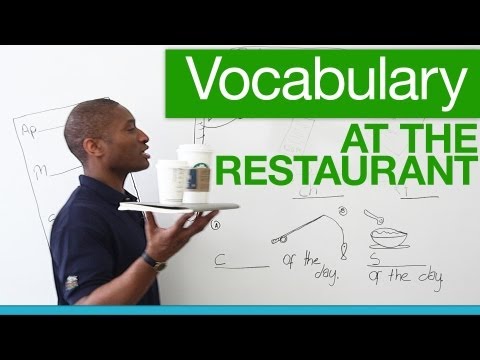
Zenn posted on 2014/04/19Ever felt lost when ordering food in an English-speaking restaurant? This video is your secret weapon, packed with essential restaurant vocabulary and practical phrases to help you dine with confidence! You'll pick up everything from ordering appetizers to understanding dining etiquette, making your next meal out a breeze.
Learn this video on the APP!
The VoiceTube App has more in-depth practice for videos!