
at least
US /æt list/
UK /æt li:st/
- Adverb
- As a minimum
- Not less than
- Phrase
- No less than; at the minimum
- Used to indicate that something is positive in a bad situation.
C2Morebased on
US
UK
- Phrasal Verb
- To use something as the foundation or starting point for something else.
- Preposition
- Using something as the main idea or foundation.
- Relying on something as evidence or justification.
A1Morebite
US /baɪt/
UK /baɪt/
- Noun (Countable/Uncountable)
- Amount of food taken into your mouth at one time
- Wound left from being bitten
- Intransitive Verb
- (E.g. of fish) to take bait and be caught
A2Moreblood
US /blʌd/
UK /blʌd/
- Uncountable Noun
- Red liquid in the bodies of people and animals
- Related by birth; family
- Transitive Verb
- To be initiated into something, e.g. a secret club
A2Morechemical
US /ˈkɛmɪkəl/
UK /ˈkemɪkl/
- Noun (Countable/Uncountable)
- Basic substance produced by mixing elements
- The branch of science concerned with the substances of which matter is composed, the investigation of their properties and reactions, and the use of such reactions to form new substances.
- Adjective
- Made of various elements
A2Moredisease
US /dɪˈziz/
UK /dɪˈzi:z/
- Noun (Countable/Uncountable)
- Illness that affects a person, animal, or plant
- A disorder of structure or function in a plant, especially one caused by a pathogen.
- Transitive Verb
- To affect with disease; to corrupt or sicken.
A2TOEICMoreexhale
US /ɛksˈhel,ɛkˈhel/
UK /eksˈheɪl/
- Intransitive Verb
- To breathe out the air or smoke in your lungs
C1Morefever
US /ˈfivɚ/
UK /'fi:və(r)/
- Noun (Countable/Uncountable)
- A high body temperature, indicating illness
- State of excited emotion or activity
- Transitive Verb
- To cause to have a fever.
B1Morefor example
US
UK
- Phrase
- As an illustration or instance.
for some reason
US /fɔr sʌm ˈrizən/
UK /fɔ: sʌm ˈri:zən/
- Phrase
- For a reason that is not known or not easily explained.
A1Morein order to
US /ɪn ˈɔrdɚ tu/
UK /in ˈɔ:də tu:/
- Preposition
- For the purpose of; with the aim of.
- Phrase
- In a specific sequence or arrangement.
- With the aim of; for the purpose of.
C1Morein the world
US /ɪn ði wɜrld/
UK /in ðə wɜː(r)ld/
- Phrase
- Used to emphasize a question expressing surprise, confusion, disbelief
- Used to indicate the extent or degree of something, often in a superlative sense
A1Morelive for
US /liv fɔr/
UK /liv fɔ:/
- Phrasal Verb
- To consider something the most important thing in your life; to find purpose or great pleasure in something.
A1Moreon earth
US /ɑn ɚθ/
UK /ɔn ə:θ/
- Phrase
- Used to emphasize a question expressing surprise or anger.
- Used to emphasize that something is not possible or will not happen.
A1Moreon the rise
US /ɑn ði raɪz/
UK /ɔn ðə raiz/
- Adjective
- Increasing; becoming more popular or common.
- Becoming more successful in a career or field.
- Phrase
- Increasing in popularity.
A1Moreother than
US
UK
- Preposition
- Except for; apart from.
- Conjunction
- Different from.
A1Moreplay in
US
UK
- Phrasal Verb
- To participate or compete in a game or competition.
- To have a role in a theatrical production.
A1Morerattle off
US /ˈrætl ɔf/
UK /ˈrætl ɔf/
- Phrasal Verb
- To say something quickly and without much thought or hesitation.
search for
US /sɚtʃ fɔr/
UK /sə:tʃ fɔ:/
- Phrasal Verb
- To try to find someone or something.
B1Morestock up
US /stɑk ʌp/
UK /stɔk ʌp/
- Phrasal Verb
- To accumulate a supply of something.
A1Moresuck
US /sʌk/
UK /sʌk/
- Intransitive Verb
- To be very bad, undesirable or unpleasant
- Transitive Verb
- To pull or remove something with great power
- To attract someone; make someone interested
B1Morethanks to
US /θæŋks tu/
UK /θæŋks tu:/
- Preposition
- Because of; as a result of.
A1Morethink of
US /θɪŋk ʌv/
UK /θiŋk ɔv/
- Phrasal Verb
- To look on as (being something specific); consider
- To consider or remember something.
- Verb (Transitive/Intransitive)
- To imagine or call something to mind
A1More
Vocabulary
- in the world: Used to emphasize a question expressing surprise, confusion, disbelief
- for example: As an illustration or instance.
- play in: To participate or compete in a game or competition.
- rattle off: To say something quickly and without much thought or hesitation.
- at least: As a minimum
- think of: To look on as (being something specific); consider
- stock up: To accumulate a supply of something.
- in order to: For the purpose of; with the aim of.
- search for: To try to find someone or something.
- live for: To consider something the most important thing in your life; to find purpose or great pleasure in something.
- other than: Except for; apart from.
- based on: To use something as the foundation or starting point for something else.
- for some reason: For a reason that is not known or not easily explained.
- on earth: Used to emphasize a question expressing surprise or anger.
- thanks to: Because of; as a result of.
- on the rise: Increasing; becoming more popular or common.
- people: Persons sharing culture, country, background, etc.
- suck: To be very bad, undesirable or unpleasant
- disease: Illness that affects a person, animal, or plant
- reason: To think and make conclusions in a logical manner
- produce: Fresh foods such as fruits and vegetables
- number: Symbols such as 1, 2, 56, 793
- year: Unit of time equal to 12 months or 365 or 366 days
- chemical: Basic substance produced by mixing elements
- blood: Red liquid in the bodies of people and animals
- type: Printed letters or blocks used for printing them
- bite: Amount of food taken into your mouth at one time
- die: Cube with dots numbering 1-6 on it used in games
- fever: A high body temperature, indicating illness
- hate: To have a very strong feeling of dislike for
- exhale: To breathe out the air or smoke in your lungs
Get the full experience in the app
Learn anywhere with detailed sentence and usage analysis
01:03
She took a brave step forward, leaving behind her comfort zone to chase her dreams.
Vocabulary
- brave
adj. Having courage
- comfort zone
phr. A familiar situation where one feels safe
Explanation
a brave step is a noun phrase, where brave is an adjective modifying the noun step, meaning "a courageous step".
forward is an adverb modifying step, meaning "ahead".
The whole phrase serves as the object, answering the "what" of took (verb) — she took a brave step forward.
Get the full experience in the app
Look up words anytime with pronunciation, part of speech, and usage
brave
US/brev/
UK/breɪv/
adj.Brave
v.t.To bravely face
A2 Elementary
Get the full experience in the app
Practice speaking anytime and get instant pronunciation feedback
Try this speaking exercise.
Try practicing with this sentence.
80
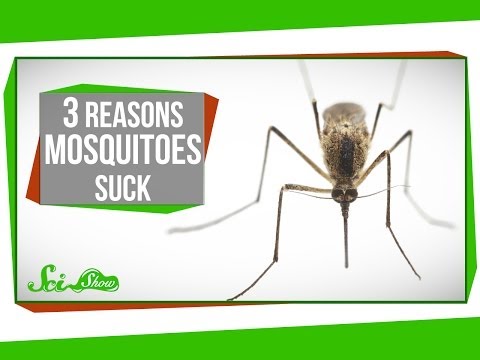
3 Reasons Mosquitoes Suck
0
pjl0602 posted on 2014/06/11Ever wondered why mosquitoes seem to love you more than others? This video dives into the surprising science behind why mosquitoes suck, revealing fascinating facts about blood types and mosquito behavior. You'll pick up some awesome advanced vocabulary while learning about public health topics like malaria and dengue fever!
Learn this video on the APP!
The VoiceTube App has more in-depth practice for videos!