
a couple hundred
US
UK
- Determiner
- Approximately two hundred.
- Phrase
- A small number of hundreds; more than one hundred but not many.
A2Moreat that time
US /æt ðæt taɪm/
UK /æt ðæt taim/
- Phrase
- During a specific point in the past.
A1Moreby now
US /baɪ naʊ/
UK /bai nau/
- Phrase
- At the present time or already; before the present.
A2Morecome up
US /kʌm ʌp/
UK /kʌm ʌp/
- Phrasal Verb
- To come closer to someone; approach
- (Of sun) to rise into the sky in the morning
A1Moredown the road
US
UK
- Phrase
- At a future time; in the future.
- Along the street; a short distance away.
A1Moredraw on
US /drɔ ɑn/
UK /drɔ: ɔn/
- Phrasal Verb
- To come to its end
- To make use of (someone's help, your savings, etc.)
A1Moredue to
US /du tu/
UK /dju: tu:/
- Preposition
- Because of; owing to
- Adjective
- Attributable to; caused by.
A1Morefigure out
US /ˈfɪɡjɚ aʊt/
UK /ˈfiɡə aut/
- Phrasal Verb
- To understand the behavior of someone
- To think through logically to find a solution
- Verb (Transitive/Intransitive)
- To understand or find an answer to something.
- To find a solution to a problem or understand something.
A1Morefor example
US
UK
- Phrase
- As an illustration or instance.
get out of
US /ɡɛt aʊt ʌv/
UK /ɡet aut ɔv/
- Phrasal Verb
- To leave or escape responsibilities, troubles
- To leave a small, enclosed vehicle
A1Moregoing on
US /ˈɡoɪŋ ɑn/
UK /ˈgəʊɪŋ ɔn/
- Phrasal Verb
- To continue doing something
- To happen (usually negative)
A1Moregot to
US /ɡɑt tu/
UK /gɔt tu:/
- Verb (Transitive/Intransitive)
- To arrive at some place
- To have the opportunity or permission to do something
- Phrasal Verb
- To appeal to the emotions of; move
- To finally begin to start something after a delay
A1Morehave to
US /hæv tu/
UK /ˈhæv tə/
- Auxiliary Verb
- Must do
A1Morein a box
US /ɪn ə bɑks/
UK /ɪn ə bɒks/
- other
- Contained or confined inside a box or small space.
B2Morein conclusion
US
UK
- Phrase
- Used to indicate a summary or final point.
A1Morein order to
US /ɪn ˈɔrdɚ tu/
UK /in ˈɔ:də tu:/
- Preposition
- For the purpose of; with the aim of.
- Phrase
- In a specific sequence or arrangement.
- With the aim of; for the purpose of.
C1Moreinstead of
US /ɪnˈstɛd ʌv/
UK /inˈsted ɔv/
- Preposition
- When one thing is replaced by another
- Adverb
- As a substitute or alternative.
A1Morejust kind of
US
UK
- Phrase
- Used to express a feeling or state in a vague or hesitant way.
- Used to indicate something is approximately or generally similar to something else.
A2Moreknow about
US /noʊ əˈbaʊt/
UK /nəʊ əˈbaut/
- Phrasal Verb
- To have information or understanding of a subject or situation.
laughter
US /ˈlæftɚ, ˈlɑf-/
UK /ˈlɑ:ftə(r)/
- Uncountable Noun
- Action or sound of laughing
- The feeling of amusement that makes you laugh.
A2Morelight up
US /laɪt ʌp/
UK /lait ʌp/
- Phrasal Verb
- To illuminate something; to make something brighter with light.
- To ignite a cigarette, cigar, or pipe for smoking.
A1Morelook at
US /lʊk æt/
UK /luk æt/
- Phrasal Verb
- To use your eyes to focus on something
- To focus your eyes on something carefully
A1Morelook over
US
UK
- Phrasal Verb
- To check something to see it works well; inspect
- To examine or inspect something quickly.
A1Moremove on
US /muv ɑn/
UK /mu:v ɔn/
- Phrasal Verb
- To decide to change or go to a different place
- To start talking about something different.
A1Moreof a sudden
US
UK
- Phrase
- Quickly and unexpectedly; suddenly.
B2Moreon to
US /ɑn tu/
UK /ɔn tu:/
- Preposition
- Toward something; forward
- Aware of someone's activities.
- Adjective
- Aware of someone's deception or illegal activities.
A1Moreout there
US /aʊt ðɛr/
UK /aut ðɛə/
- Adverb
- In or to a place that is far away
- Existing in the universe
- Adjective
- Unconventional; strange; avant-garde
- Existing or available.
A1Morepass out
US /pæs aʊt/
UK /pɑ:s aut/
- Phrasal Verb
- To distribute or hand out papers to people
- To faint; lose consciousness
A1Moreperspective
US /pɚˈspɛktɪv/
UK /pə'spektɪv/
- Noun (Countable/Uncountable)
- Artistic method of creating a sense of distance
- Ability to understand what is important in life
B1TOEICMoreshow up
US /ʃo ʌp/
UK /ʃəu ʌp/
- Phrasal Verb
- To arrive or be seen at a place, e.g. a party
- To be noticeably better than (someone else)
A1Moresolve
US /sɑ:lv/
UK /sɒlv/
- Transitive Verb
- To figure out a way to handle a difficult problem
A2TOEICMorestuff
US /stʌf/
UK /stʌf/
- Uncountable Noun
- Generic description for things, materials, objects
- Transitive Verb
- To push material inside something, with force
B1Moresuch as
US /sʌtʃ æz/
UK /sʌtʃ æz/
- Preposition
- For example; like
A1Moretalking about
US
UK
- Phrasal Verb
- To discuss a particular topic.
- To be constantly mentioning or bringing up a subject.
A1Morethink about
US /θɪŋk əˈbaʊt/
UK /θiŋk əˈbaut/
- Phrasal Verb
- To consider something carefully.
- To remember or call to mind.
A1Morethink of
US /θɪŋk ʌv/
UK /θiŋk ɔv/
- Phrasal Verb
- To look on as (being something specific); consider
- To consider or remember something.
- Verb (Transitive/Intransitive)
- To imagine or call something to mind
A1Moreto let
US /tu lɛt/
UK /tu let/
- Preposition
- Indicates that a property is available for rent.
A2Moreto no avail
US
UK
- Phrase
- Without success; having no effect.
A1Moreunique
US /juˈnik/
UK /jʊ'ni:k/
- Adjective
- Unlike other things; being the only one like it
- Remarkably special or unusual.
A2TOEICMorework at
US /wɚk æt/
UK /wə:k æt/
- Phrasal Verb
- To have a job at a particular place or organization.
- To make an effort to improve something.
A1More
Vocabulary
- at that time: During a specific point in the past.
- in order to: For the purpose of; with the aim of.
- out there: In or to a place that is far away
- think about: To consider something carefully.
- on to: Toward something; forward
- have to: Must do
- come up: To come closer to someone; approach
- know about: To have information or understanding of a subject or situation.
- think of: To look on as (being something specific); consider
- got to: To arrive at some place
- by now: At the present time or already; before the present.
- due to: Because of; owing to
- show up: To arrive or be seen at a place, e.g. a party
- instead of: When one thing is replaced by another
- such as: For example; like
- look at: To use your eyes to focus on something
- for example: As an illustration or instance.
- in a box: Contained or confined inside a box or small space.
- pass out: To distribute or hand out papers to people
- to let: Indicates that a property is available for rent.
- move on: To decide to change or go to a different place
- light up: To illuminate something; to make something brighter with light.
- look over: To check something to see it works well; inspect
- work at: To have a job at a particular place or organization.
- talking about: To discuss a particular topic.
- of a sudden: Quickly and unexpectedly; suddenly.
- just kind of: Used to express a feeling or state in a vague or hesitant way.
- figure out: To understand the behavior of someone
- down the road: At a future time; in the future.
- going on: To continue doing something
- to no avail: Without success; having no effect.
- draw on: To come to its end
- a couple hundred: Approximately two hundred.
- in conclusion: Used to indicate a summary or final point.
- get out of: To leave or escape responsibilities, troubles
- stuff: Generic description for things, materials, objects
- perspective: Artistic method of creating a sense of distance
- time: Speed at which music is played; tempo
- people: Persons sharing culture, country, background, etc.
- think: To have an idea about something without certainty
- start: First time or place that a thing exists; beginning
- unique: Unlike other things; being the only one like it
- field: Area of study, such as physics or biology
- learn: To get knowledge or skills by study or experience
- problem: Something difficult to deal with or causes trouble
- laughter: Action or sound of laughing
- solve: To figure out a way to handle a difficult problem
- stop: To block or close something
- thinking: To have an idea, opinion or belief about something
Get the full experience in the app
Learn anywhere with detailed sentence and usage analysis
01:03
She took a brave step forward, leaving behind her comfort zone to chase her dreams.
Vocabulary
- brave
adj. Having courage
- comfort zone
phr. A familiar situation where one feels safe
Explanation
a brave step is a noun phrase, where brave is an adjective modifying the noun step, meaning "a courageous step".
forward is an adverb modifying step, meaning "ahead".
The whole phrase serves as the object, answering the "what" of took (verb) — she took a brave step forward.
Get the full experience in the app
Look up words anytime with pronunciation, part of speech, and usage
brave
US/brev/
UK/breɪv/
adj.Brave
v.t.To bravely face
A2 Elementary
Get the full experience in the app
Practice speaking anytime and get instant pronunciation feedback
Try this speaking exercise.
Try practicing with this sentence.
80
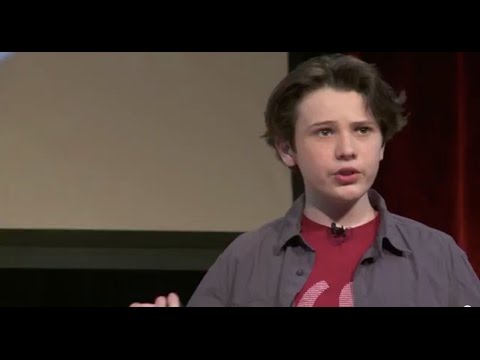
【TEDx】Forget what you know: Jacob Barnett at TEDxTeen
0
Precious Annie Liao posted on 2014/07/21Ever wondered how a 14-year-old could grasp quantum mechanics? Jacob Barnett shares his incredible journey and unique way of thinking in this inspiring TEDx talk! You'll not only hear a fascinating story but also pick up some advanced vocabulary related to physics and creative problem-solving.
Learn this video on the APP!
The VoiceTube App has more in-depth practice for videos!