
accelerate
US /ækˈsɛləˌret/
UK /əkˈseləreɪt/
- Transitive Verb
- To cause to occur earlier than expected
- To increase the speed or rate of something
B1TOEICMoreantitrust
US /ˌæntiˈtrʌst, ˌæntaɪ-/
UK /ˌæntiˈtrʌst/
- Adjective
- (Laws) preventing unfair business practices
B2Moreat the end of the day
US
UK
- Phrase
- Ultimately; when everything else is considered.
- After a day's work or activities.
A1Moreblame
US /blem/
UK /bleɪm/
- Transitive Verb
- To say someone is responsible for something bad
- Noun (Countable/Uncountable)
- Act of saying someone did something bad
A2TOEICMoreboost
US /bust/
UK /bu:st/
- Transitive Verb
- To increase something; to make something better
- To push someone or something up from beneath them
- Noun (Countable/Uncountable)
- An increase in something
B1TOEICMorecalculate
US /ˈkælkjəˌlet/
UK /'kælkjʊleɪt/
- Transitive Verb
- To find an answer using mathematics
- To make an educated guess about something
B2Morecause
US /kɔz/
UK /kɔ:z/
- Noun
- Belief, goal or organization that people support
- Reason for
- Transitive Verb
- To make something happen; create effect or result
A2Morechain
US /tʃen/
UK /tʃeɪn/
- Transitive Verb
- To feel to be bound or tied to
- To connect or tie with a rope made of metal links
- Noun (Countable/Uncountable)
- Series of events or things that are connected
- Series of (metal) connected links or rings
A2Morecheck out
US /tʃɛk aʊt/
UK /tʃek aut/
- Phrase
- Phrasal Verb
- To find out information about something
- To take books out of a library
A1Moreconsolidation
US /kənˌsɑlɪˈdeʃən/
UK /kənˌsɒlɪ'deɪʃən/
- Uncountable Noun
- Act of combining into an integral whole
B1Morecontribute
US /kənˈtrɪbjut/
UK /kən'trɪbju:t/
- Verb (Transitive/Intransitive)
- To be a factor in causing something to happen
- To donate, give (money) or help to something
A2Morecorporate
US /ˈkɔrpərɪt, ˈkɔrprɪt/
UK /ˈkɔ:pərət/
- Adjective
- Concerning (usually large) companies
- Relating to a large company or group.
- Noun
- The overall strategy and direction of a company.
- The visual and communicative aspects of a company that create its public image.
A2Morecrude
US /krud/
UK /kru:d/
- Adjective
- Lacking manners or finesse; rude
B1Morecurrency
US /ˈkɚrənsi, ˈkʌr-/
UK /'kʌrənsɪ/
- Uncountable Noun
- Widespread acceptance
- Money system that a country uses
B1Moredebate
US / dɪˈbet/
UK /dɪ'beɪt/
- Noun (Countable/Uncountable)
- General public discussion of a topic
- A formal event where two sides discuss a topic
- Verb (Transitive/Intransitive)
- To consider options before making a decision
- To take part in a formal discussion
A2TOEICMoredue to
US /du tu/
UK /dju: tu:/
- Preposition
- Because of; owing to
- Adjective
- Attributable to; caused by.
A1Moreenforcement
US /ɪn'fɔ:smənt/
UK /ɪn'fɔ:smənt/
- Uncountable Noun
- Process of making sure that rules are followed
- The act of compelling observance of or compliance with a law, rule, or obligation.
B1Moreestimate
US /ˈɛstəˌmet/
UK /'estɪmət/
- Noun (Countable/Uncountable)
- Guess or calculation of cost, size or value
- A judgment or opinion.
- Transitive Verb
- To guess or calculate the cost, size or value of
- To form an approximate idea or judgment of.
A2TOEICMorefederal
US /ˈfɛdərəl, ˈfɛdrəl/
UK /'fedərəl/
- Adjective
- Consisting of several united states
- Relating to a system of government in which power is divided between a central authority and constituent political units.
- Proper Noun
- The central banking system of the United States.
B1Morefrozen
US /ˈfroʊzn/
UK /'frəʊzn/
- Adjective
- Hard, solid because it is below zero degrees
- Preserved by freezing.
- Verb (Transitive/Intransitive)
- To store an item of food in a cold place
- To make someone to not want to communicate
A2Morehalt
US /hɔlt/
UK /hɔ:lt/
- Verb (Transitive/Intransitive)
- To stop, or cause something, e.g. a car, to stop
- Noun
- A temporary or final stop.
B1TOEICMoreillustrate
US /ˈɪləˌstret, ɪˈlʌsˌtret/
UK /ˈɪləstreɪt/
- Transitive Verb
- To supply pictures to go along with words
- To be an example that explains or proves something
A2TOEICMorein mind
US /ɪn maɪnd/
UK /in maind/
- Phrase
- Being aware of or considering something.
- To remember or consider something.
A2Morein other words
US
UK
- Phrase
- Stating something in a different way, often to make it clearer or more understandable.
in places
US
UK
- Phrase
- In some locations but not others
A1Moreinflation
US /ɪnˈfleʃən/
UK /ɪn'fleɪʃn/
- Noun (Countable/Uncountable)
- Act of filling something with air or gas
- Continual rise in the prices of products
B1TOEICMoreinfrastructure
US /ˈɪnfrəˌstrʌktʃɚ/
UK /'ɪnfrəstrʌktʃə(r)/
- Uncountable Noun
- Basic necessary equipment for a country or region
- The underlying framework or system of an organization.
B1Moreissue
US /ˈɪʃu/
UK /'ɪʃu:/
- Transitive Verb
- To make something available to be used or sold
- To deliver a statement, etc. in an official manner
- Noun (Countable/Uncountable)
- Important topic discussed, debated or argued over
- Single edition of a magazine
A2TOEICMoreknow about
US /noʊ əˈbaʊt/
UK /nəʊ əˈbaut/
- Phrasal Verb
- To have information or understanding of a subject or situation.
look at
US /lʊk æt/
UK /luk æt/
- Phrasal Verb
- To use your eyes to focus on something
- To focus your eyes on something carefully
A1Morelook into
US /lʊk ˈɪntu/
UK /luk ˈɪntuː/
- Phrasal Verb
- To investigate or try to discover the reasons for
A1Moremultiply
US /ˈmʌltəˌplaɪ/
UK /ˈmʌltɪplaɪ/
- Verb (Transitive/Intransitive)
- To increase in number by reproducing/having babies
- To increase something by a large quantity
B1Moreobjective
US /əbˈdʒɛktɪv/
UK /əbˈdʒektɪv/
- Adjective
- Being real, rather than simply being an idea
- Not influenced by personal feelings or opinions; impartial.
- Noun
- Something you decide you want to do; goal
A2TOEICMoreon the rise
US /ɑn ði raɪz/
UK /ɔn ðə raiz/
- Adjective
- Increasing; becoming more popular or common.
- Becoming more successful in a career or field.
- Phrase
- Increasing in popularity.
A1Moreover time
US /ˈovɚ taɪm/
UK /ˈəuvə taim/
- Phrase
- Gradually; as time passes.
- During a long period.
- Adverb
- Gradually; as time passes.
B1Morepandemic
US /pænˈdɛmɪk/
UK /pæn'demɪk/
- Adjective
- (of a disease) existing in almost all of an area or in almost all of a group of people, animals, or plants
- Noun
- a pandemic disease
C2Moreperpetuate
US /pɚˈpɛtʃuˌet/
UK /pə'petʃʊeɪt/
- Transitive Verb
- To make something continue for a long time
B2TOEICMorepump
US /pʌmp/
UK /pʌmp/
- Verb (Transitive/Intransitive)
- To make liquid or gas flow in a particular direction
- To make water/other liquid move using a machine
- Noun
- A device more moving liquids
- Light woman's shoe
B1Morepurchase
US
UK
- Transitive Verb
- To buy something; to get by paying money for it
- Noun (Countable/Uncountable)
- Something that you bought
- Strong hold on something; grip
A2TOEICMorerate it
US
UK
- Phrasal Verb
- To give something a score or evaluation based on its quality or merit.
B1Morerecession
US /rɪˈsɛʃən/
UK /rɪˈseʃn/
- Uncountable Noun
- Act of moving backward gradually
- Decreased business activity, when work is scarce
- Noun
- a period of low economic activity
- period of economic decline
B2TOEICMorereserve
US /rɪˈzɚv/
UK /rɪ'zɜ:v/
- Transitive Verb
- To arrange for a room or table be kept for you
- To not use all of, so you can use it later
- Noun (Countable/Uncountable)
- Area of land set aside as for a people
- Park or area for wildlife to roam free
A2Moreslow down
US /slo daʊn/
UK /sləu daun/
- Phrasal Verb
- To reduce the speed
- To become less active or busy.
A1Morespend
US /spɛnd/
UK /spend/
- Transitive Verb
- To use money to pay for something
- To use time in order to do something
A2TOEICMorestimulus
US /ˈstɪmjələs/
UK /ˈstɪmjələs/
- Noun
- Something that causes a change
B2Morestraightforward
US /stretˈfɔrwəd/
UK /ˌstreɪtˈfɔ:wəd/
- Adjective
- Easy to do or understand; not complicated
- Honest and open; not trying to hide anything.
B1TOEICMoresubscribe
US /səbˈskraɪb/
UK /səb'skraɪb/
- Verb (Transitive/Intransitive)
- To regularly pay to receive a service
B1TOEICMoresubtract
US /səbˈtrækt/
UK /səbˈtrækt/
- Transitive Verb
- To take away a value or amount from another
- To take away a value or amount from another
B2TOEICMoresuch as
US /sʌtʃ æz/
UK /sʌtʃ æz/
- Preposition
- For example; like
A1Moresupply
US /səˈplaɪ/
UK /sə'plaɪ/
- Uncountable Noun
- Availability of products and services for use
- Transitive Verb
- To give or sell goods to others for their use
A2TOEICMoretake some time
US
UK
- Verb (Transitive/Intransitive)
- To allocate or dedicate a period to a specific activity or purpose.
A1Moreultimately
US /ˈʌltəmɪtli/
UK /ˈʌltɪmətli/
- Adverb
- Done or considered as the final and most important
- Fundamentally; at the most basic level.
B1TOEICMoreused to
US /juzd tu/
UK /ˈju:st tə/
- Adjective
- Did regularly before, but don't do now
- Auxiliary Verb
- Have done before, but do not do now
A1More
Vocabulary
- due to: Because of; owing to
- such as: For example; like
- look at: To use your eyes to focus on something
- look into: To investigate or try to discover the reasons for
- over time: Gradually; as time passes.
- know about: To have information or understanding of a subject or situation.
- in other words: Stating something in a different way, often to make it clearer or more understandable.
- used to: Did regularly before, but don't do now
- rate it: To give something a score or evaluation based on its quality or merit.
- in places: In some locations but not others
- slow down: To reduce the speed
- on the rise: Increasing; becoming more popular or common.
- at the end of the day: Ultimately; when everything else is considered.
- in mind: Being aware of or considering something.
- take some time: To allocate or dedicate a period to a specific activity or purpose.
- check out
- subscribe: To regularly pay to receive a service
- ultimately: Done or considered as the final and most important
- pandemic: (of a disease) existing in almost all of an area or in almost all of a group of people, animals, or plants
- debate: General public discussion of a topic
- boost: To increase something; to make something better
- infrastructure: Basic necessary equipment for a country or region
- general: Widespread, normal or usual
- straightforward: Easy to do or understand; not complicated
- express: To send something by fast mail
- contribute: To be a factor in causing something to happen
- blame: To say someone is responsible for something bad
- estimate: Guess or calculation of cost, size or value
- recession: Act of moving backward gradually
- currency: Widespread acceptance
- issue: To make something available to be used or sold
- corporate: Concerning (usually large) companies
- inflation: Act of filling something with air or gas
- address: Exact street location of a place
- federal: Consisting of several united states
- cause: Belief, goal or organization that people support
- purchase: To buy something; to get by paying money for it
- raise: To increase a bet above another when playing cards
- reason: To think and make conclusions in a logical manner
- due: When something is required or expected
- objective: Being real, rather than simply being an idea
- interest: Best or most advantageous thing for someone
- halt: To stop, or cause something, e.g. a car, to stop
- rate: To assess something or consider its qualities
- consolidation: Act of combining into an integral whole
- illustrate: To supply pictures to go along with words
- economy: Using money, resources in a careful, effective way
- accelerate: To cause to occur earlier than expected
- reserve: To arrange for a room or table be kept for you
- spend: To use money to pay for something
- enforcement: Process of making sure that rules are followed
- simple: Not hard to understand or do; not complex
- stimulus: Something that causes a change
- multiply: To increase in number by reproducing/having babies
- chain: To feel to be bound or tied to
- government: Group of people and system that rule a nation
- argue: To fight or disagree over something
- crude: Lacking manners or finesse; rude
- rise: To wake up and get out of bed after sleeping
- worse: Comparative of 'bad'; more bad
- perpetuate: To make something continue for a long time
- subtract: To take away a value or amount from another
- pump: To make liquid or gas flow in a particular direction
- make: To arrange or prepare something e.g. dinner
- supply: Availability of products and services for use
- frozen: Hard, solid because it is below zero degrees
- calculate: To find an answer using mathematics
- antitrust: (Laws) preventing unfair business practices
Get the full experience in the app
Learn anywhere with detailed sentence and usage analysis
01:03
She took a brave step forward, leaving behind her comfort zone to chase her dreams.
Vocabulary
- brave
adj. Having courage
- comfort zone
phr. A familiar situation where one feels safe
Explanation
a brave step is a noun phrase, where brave is an adjective modifying the noun step, meaning "a courageous step".
forward is an adverb modifying step, meaning "ahead".
The whole phrase serves as the object, answering the "what" of took (verb) — she took a brave step forward.
Get the full experience in the app
Look up words anytime with pronunciation, part of speech, and usage
brave
US/brev/
UK/breɪv/
adj.Brave
v.t.To bravely face
A2 Elementary
Get the full experience in the app
Practice speaking anytime and get instant pronunciation feedback
Try this speaking exercise.
Try practicing with this sentence.
80
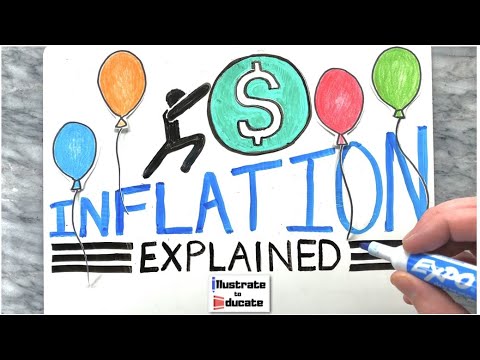
Inflation Explained | What is causing inflation? | Why is inflation so high? | How to fix inflation?
0
林宜悉 posted on 2022/11/22Ever wondered why prices keep going up? This video breaks down exactly what's causing inflation and how it can be fixed, using clear explanations and boosting your vocabulary with terms like 'purchasing power' and 'supply chain disruptions'! It's a fantastic way to grasp complex economic ideas while leveling up your English.
Learn this video on the APP!
The VoiceTube App has more in-depth practice for videos!