
back to normal
US
UK
- Adjective
- Returned to the usual or expected state or condition.
- Phrase
- In the usual or ordinary way; as things were before.
A2Morebeat
US /bit/
UK /bi:t/
- Intransitive Verb
- To move in regular motions in order to push blood
- Transitive Verb
- To strike or hit repeatedly and with great force
- To mix ingredients together with a fork or machine
A2Morecall for
US /kɔl fɔr/
UK /kɔ:l fɔ:/
- Phrasal Verb
- To demand, need or require (an action or thing)
- To come to someone's house to take them somewhere
A1Morecellphone
US /ˈselfoʊn/
UK /ˈselfəʊn/
- Countable Noun
- Phone you can take with you everywhere
C2Morecensorship
US /ˈsensərʃɪp/
UK /ˈsensəʃɪp/
- Uncountable Noun
- Removing inappropriate material from books, films
B2Morecommunist
US /ˈkɑmjənɪst/
UK /ˈkɒmjənɪst/
- Adjective
- Believer in communism
- Noun
- A person who supports or believes in communism.
B1Morecrackdown
US /ˈkrækˌdaʊn/
UK /ˈkrækdaʊn/
- Noun
- Increased effort to enforce the law or a rule
C2Morecurrent
US /ˈkɚrənt, ˈkʌr-/
UK /'kʌrənt/
- Uncountable Noun
- Electricity flowing through wires
- Movement of water in a river, or air in the sky
- Adjective
- Happening or being in the present time
- In general use or accepted by most people.
A2Moredatum
US /ˈdetəm, ˈdætəm, ˈdɑtəm/
UK /ˈdeɪtəm/
- Noun
- Item of factual information
B1Moredelete
US /diˈlit/
UK /dɪ'li:t/
- Transitive Verb
- To remove or erase something
- Noun
- A key on a computer keyboard used to remove characters or files.
B1TOEICMoredeploy
US /dɪˈplɔɪ/
UK /dɪˈplɔɪ/
- Transitive Verb
- To put into position (often a military operation)
- To put something into use or action.
B1TOEICMorediscontent
US /ˌdɪskənˈtɛnt/
UK /ˌdɪskənˈtent/
- Uncountable Noun
- Feeling of dissatisfaction; a lack of contentment
B1Moredown with
US /daʊn wɪð/
UK /daun wið/
- Adjective
- Suffering from an illness.
- Agreeable to; in favor of.
- Interjection
- An expression of opposition to something.
A1Moreend in
US /ɛnd ɪn/
UK /end in/
- Phrasal Verb
- To have something as the final result.
erupt
US /ɪˈrʌpt/
UK /ɪˈrʌpt/
- Verb (Transitive/Intransitive)
- To begin doing something or happen suddenly
- (Volcano) to spill hot rocks, smoke, and fire
B1Moreevidence of
US
UK
- Phrase
- Facts, objects, or signs that make you believe that something is true.
- Something that shows that something else exists or is true.
A1Moreexercise
US /ˈɛksɚˌsaɪz/
UK /'eksəsaɪz/
- Verb (Transitive/Intransitive)
- To work out to become stronger and healthier
- To retain your ability or practice your skills
- Noun (Countable/Uncountable)
- Physical activity to increase health and strength
- Set of questions in a text book
A2Moreexert
US /ɪgˈzɜ:rt/
UK /ɪgˈzɜ:t/
- Transitive Verb
- To make something have an effect on something else
B2TOEICMorefilm
US /fɪlm/
UK /fɪlm/
- Noun (Countable/Uncountable)
- Thin layer that covers something
- Movie
- Transitive Verb
- To record moving action with a camera
A2Morefootage
US /ˈfʊtɪdʒ/
UK /ˈfʊtɪdʒ/
- Uncountable Noun
- A certain amount of film or video of something
- The length or amount of something measured in feet.
B2Morefor example
US
UK
- Phrase
- As an illustration or instance.
foreign
US /ˈfɔ:rən/
UK /ˈfɒrən/
- Adjective
- Being of a different place or country
- Strange; different from ones found at home
A2TOEICMorego back to
US /ɡo bæk tu/
UK /ɡəu bæk tu:/
- Phrasal Verb
- To return to a starting point
A1Morehopelessness
US
UK
- Uncountable Noun
- Lack of desire for, or belief in success
B1Morein sight
US /ɪn saɪt/
UK /in sait/
- Phrase
- Visible; able to be seen.
- Near to being achieved; imminent.
mass
US /mæs/
UK /mæs/
- Noun (Countable/Uncountable)
- Religious ceremony in some Christian churches
- Large amount or number of something
- Transitive Verb
- To gather people or things into a large group
B1Moremention
US /ˈmɛnʃən/
UK /'menʃn/
- Transitive Verb
- To refer to or talk or write about something
- Uncountable Noun
- Act of referring to or talking about something
- A formal acknowledgement of something
A2TOEICMoremindful
US /ˈmaɪndfəl/
UK /ˈmaɪndfl/
- Adjective
- Bearing in mind; attentive to
B1Morenationalist
US /ˈnæʃɵnəlɪst/
UK /ˈnæʃnəlɪst/
- Noun
- Person who strongly loves their country
B1Moreonline
US /ˌɑ:nˈlaɪn/
UK /ˌɒnˈlaɪn/
- Adjective
- Connected to the internet
- Adverb
- Via the internet.
B1Morepandemic
US /pænˈdɛmɪk/
UK /pæn'demɪk/
- Adjective
- (of a disease) existing in almost all of an area or in almost all of a group of people, animals, or plants
- Noun
- a pandemic disease
C2Moreplatform
US /ˈplætˌfɔrm/
UK /'plætfɔ:m/
- Noun (Countable/Uncountable)
- Flat, raised structure that people stand on
- Area from which you board a train at a station
B1Morepolicy
US /ˈpɑlɪsi/
UK /'pɒləsɪ/
- Noun
- Document stating terms of an insurance agreement
- Course of action proposed by an organization, etc.
A2TOEICMoreprotest
US /ˈproʊtɛst/
UK /'prəʊtest/
- Verb (Transitive/Intransitive)
- To argue against something in a forceful way
- To express a strong objection or dislike
- Noun
- Forceful argument against something
- Objection to something
A2Morerare
US /rɛr/
UK /reə(r)/
- Adjective
- (Of meat) cooked, but still red and juicy
- Unusual or out of the ordinary; not common
A2Moreresponse
US /rɪˈspɑns/
UK /riˈspɔns/
- Noun
- Something said/written as an answer to something
- Reaction to something that has occurred
A2TOEICMoreseek
US /sik/
UK /si:k/
- Transitive Verb
- To ask someone for help
- To search for; try to find or do; look for
A2TOEICMorespeculate
US /ˈspɛkjəˌlet/
UK /ˈspekjuleɪt/
- Intransitive Verb
- To take risks that might lead to big profits
- Verb (Transitive/Intransitive)
- To predict or guess what is possible or likely
B2Morespread
US /sprɛd/
UK /spred/
- Noun (Countable/Uncountable)
- A big meal, often laid out as a buffet
- The distance between two things
- Verb (Transitive/Intransitive)
- To place over a large area; to cover a large area
- (Of ideas, gossip) to pass to and affect others
A2TOEICMorestand down
US /stænd daʊn/
UK /stænd daun/
- Phrasal Verb
- To end a state of readiness, e.g. for war
- To withdraw, e.g. from a fight or contest
A1Morestrict
US /strɪkt/
UK /strɪkt/
- Adjective
- Tending to enforce rules; severe
- (Of orders) that must be obeyed
A2Moresurveillance
US /sɚˈveləns/
UK /sɜ:'veɪləns/
- Uncountable Noun
- Careful watching of a person/place, e.g. by police
B2TOEICMoresymbol of
US
UK
- Phrase
- Something that represents or stands for something else, especially an object representing an abstract idea.
- A visible sign of something intangible.
B2Moretrack
US /træk/
UK /træk/
- Transitive Verb
- To use marks to follow a wild animal
- To move a certain way/follow a particular course
- Noun
- A circular course for running
- Course or way someone takes, e.g. in education
A2TOEICMoreuncommon
US /ʌnˈkɑ:mən/
UK /ʌnˈkɒmən/
- Adjective
- Not typical; not normal; unusual
B1Morewidespread
US /ˈwaɪdˈsprɛd/
UK /ˈwaɪdspred/
- Adjective
- Happening or existing in many places
A2TOEICMore
Vocabulary
- back to normal: Returned to the usual or expected state or condition.
- go back to: To return to a starting point
- stand down: To end a state of readiness, e.g. for war
- down with: Suffering from an illness.
- for example: As an illustration or instance.
- symbol of: Something that represents or stands for something else, especially an object representing an abstract idea.
- evidence of: Facts, objects, or signs that make you believe that something is true.
- end in: To have something as the final result.
- in sight: Visible; able to be seen.
- call for: To demand, need or require (an action or thing)
- pandemic: (of a disease) existing in almost all of an area or in almost all of a group of people, animals, or plants
- evidence: Factual proof that helps to establish the truth
- force: Group of persons trained for military action; army
- sense: Certain mental feeling or emotion
- current: Electricity flowing through wires
- track: To use marks to follow a wild animal
- spread: A big meal, often laid out as a buffet
- strict: Tending to enforce rules; severe
- surveillance: Careful watching of a person/place, e.g. by police
- exercise: To work out to become stronger and healthier
- mention: To refer to or talk or write about something
- rare: (Of meat) cooked, but still red and juicy
- state: Region within a country, with its own government
- response: Something said/written as an answer to something
- footage: A certain amount of film or video of something
- seek: To ask someone for help
- widespread: Happening or existing in many places
- protest: To argue against something in a forceful way
- film: Thin layer that covers something
- mass: Religious ceremony in some Christian churches
- beat: To move in regular motions in order to push blood
- accept: To agree to receive or take something offered
- communist: Believer in communism
- censorship: Removing inappropriate material from books, films
- platform: Flat, raised structure that people stand on
- social: Involving activity with people, e.g. in free time
- foreign: Being of a different place or country
- speculate: To take risks that might lead to big profits
- normal: Standard or regular way of doing something
- exert: To make something have an effect on something else
- mindful: Bearing in mind; attentive to
- place: To put someone in a particular type of situation
- policy: Document stating terms of an insurance agreement
- control: A device designed to operate a machine
- system: Set of organized, planned ideas that work together
- government: Group of people and system that rule a nation
- stand: To be a candidate in an election
- deploy: To put into position (often a military operation)
- rise: To wake up and get out of bed after sleeping
- drive: A person's ambition and motivation to do something
- crackdown: Increased effort to enforce the law or a rule
- start: First time or place that a thing exists; beginning
- datum: Item of factual information
- erupt: To begin doing something or happen suddenly
- discontent: Feeling of dissatisfaction; a lack of contentment
- uncommon: Not typical; not normal; unusual
- online: Connected to the internet
- nationalist: Person who strongly loves their country
- delete: To remove or erase something
- hopelessness: Lack of desire for, or belief in success
- cellphone: Phone you can take with you everywhere
Get the full experience in the app
Learn anywhere with detailed sentence and usage analysis
01:03
She took a brave step forward, leaving behind her comfort zone to chase her dreams.
Vocabulary
- brave
adj. Having courage
- comfort zone
phr. A familiar situation where one feels safe
Explanation
a brave step is a noun phrase, where brave is an adjective modifying the noun step, meaning "a courageous step".
forward is an adverb modifying step, meaning "ahead".
The whole phrase serves as the object, answering the "what" of took (verb) — she took a brave step forward.
Get the full experience in the app
Look up words anytime with pronunciation, part of speech, and usage
brave
US/brev/
UK/breɪv/
adj.Brave
v.t.To bravely face
A2 Elementary
Get the full experience in the app
Practice speaking anytime and get instant pronunciation feedback
Try this speaking exercise.
Try practicing with this sentence.
80
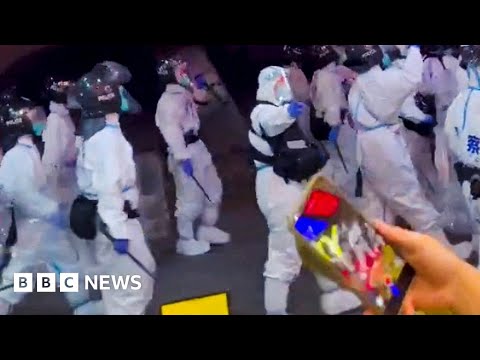
How is China responding to Covid protests? - BBC News
0
林宜悉 posted on 2022/12/05Ever wondered how China's 'Zero-COVID' policy clashed with public protests? This BBC News report dives into the 'White paper protests' and the digital surveillance used to manage them. You'll gain insight into civil liberties and pick up some advanced vocabulary along the way!
Learn this video on the APP!
The VoiceTube App has more in-depth practice for videos!