
absorb
US /əbˈsɔrb, -ˈzɔrb/
UK /əb'sɔ:b/
- Transitive Verb
- To take up all attention / energy of something
- To take in a liquid; soak up
B1TOEICMoreambiguity
US /ˌæmbɪˈɡjuɪti/
UK /ˌæmbɪ'ɡju:ətɪ/
- Uncountable Noun
- State of being confusing, uncertain or unclear
B2TOEICMoreancient
US /ˈenʃənt/
UK /'eɪnʃənt/
- Adjective
- Very old; having lived a very long time ago
- Relating to a period in history, especially in the distant past.
- Noun
- A person who lived in ancient times.
A2Moreapparently
US /əˈpærəntlɪ/
UK /əˈpærəntli/
- Adverb
- According to what you heard; from what can be seen
A2TOEICMoreat that time
US /æt ðæt taɪm/
UK /æt ðæt taim/
- Phrase
- During a specific point in the past.
A1Moreat the same time
US
UK
- Phrase
- Simultaneously; at the identical moment.
- Nevertheless; however; used to introduce a contrasting or qualifying statement.
A1Morebeing creative
US
UK
- Phrase
- The state of using imagination or original ideas to create something.
- Having or showing an ability to make new things or think of new ideas.
B1Morebrilliant
US /ˈbrɪljənt/
UK /'brɪlɪənt/
- Adjective
- Having a great amount of intelligence or talent
- Being very bright, like a diamond; shining
- Noun
- A diamond or other gem cut in a particular form with many facets to have exceptional brilliance.
A2Morecapability
US /ˌkeɪpə'bɪləti/
UK /ˌkeɪpəˈbɪləti/
- Noun (Countable/Uncountable)
- Means, ability, or potential to do something
- The potential or capacity for future development or achievement.
B1Morecause
US /kɔz/
UK /kɔ:z/
- Noun
- Belief, goal or organization that people support
- Reason for
- Transitive Verb
- To make something happen; create effect or result
A2Morecognitive
US /ˈkɑɡnɪtɪv/
UK /ˈkɒgnətɪv/
- Adjective
- The process of knowing and remembering
- Relating to the ability to think and reason.
C1Morecollapse
US /kəˈlæps/
UK /kə'læps/
- Verb (Transitive/Intransitive)
- To fold (e.g. a stroller) down to make it smaller
- To suddenly fall down or break apart into pieces
- Noun
- The sudden failure of a structure or system.
- The sudden failure of a bodily organ or function.
B1Morecomplex
US /kəmˈplɛks, ˈkɑmˌplɛks/
UK /'kɒmpleks/
- Countable Noun
- Group of buildings all used for the same purpose
- Adjective
- Not being simple; having many parts or aspects
A2Moreconcept
US /ˈkɑnˌsɛpt/
UK /'kɒnsept/
- Noun (Countable/Uncountable)
- Abstract idea of something or how it works
- A plan or intention; a conception.
A2TOEICMoreconquer
US /ˈkɑŋkɚ/
UK /'kɒŋkə(r)/
- Transitive Verb
- To take possession of (land, city) with an army
- To beat something difficult, e.g. a fear; overcome
B2Morecontradict
US /ˌkɑntrəˈdɪkt/
UK /ˌkɒntrə'dɪkt/
- Verb (Transitive/Intransitive)
- To say the opposite is so; say something different
- To say the opposite of what someone else has said; to deny the truth of (a statement).
B1Morecynical
US /ˈsɪnɪkəl/
UK /ˈsɪnɪkl/
- Adjective
- Always believing that bad things are the reasons
B2Moredeal with
US /dil wɪð/
UK /di:l wið/
- Verb (Transitive/Intransitive)
- To buy or sell goods or services.
- Phrasal Verb
- To take action to solve a problem or manage a situation.
- To be about; concern.
A1Moredemocracy
US /dɪˈmɑkrəsi/
UK /dɪ'mɒkrəsɪ/
- Noun (Countable/Uncountable)
- System of government in which everyone is equal
- Principles of social equality and respect for the individual within a society.
B1Morediagram
US /ˈdaɪəˌɡræm/
UK /'daɪəɡræm/
- Noun
- A drawing intended to explain how something works
- Transitive Verb
- To show or explain something by drawing a picture
B1Moreera
US /'ɪrə/
UK /'ɪərə/
- Noun
- Period characterized by particular events, people
- A major division of geological time, usually divided into periods.
B1Moreessence
US /ˈɛsəns/
UK /'esns/
- Uncountable Noun
- Most important part or quality of something
- Substance that has a very strong, unique smell
B1TOEICMoreexponentially
US /ˌekspə'nenʃəlɪ/
UK /ˌekspə'nenʃəlɪ/
- Adverb
- (Of an increase) at a faster and faster rate
- At an increasingly rapid rate; extremely quickly.
C1Moreget back to
US /ɡɛt bæk tu/
UK /ɡet bæk tu:/
- Phrasal Verb
- To get in contact with someone again
- To return to someone or something; to respond at a later time.
A1Morego hand in hand
US /goʊ hænd ɪn hænd/
UK /gəu ˈhænd ɪn ˈhænd/
- other
- Two things closely related or connected, usually occurring together.
B1Morego on
US /ɡo ɑn/
UK /ɡəu ɔn/
- Phrasal Verb
- To continue doing something
- To happen (usually negative)
- Interjection
- Used to encourage someone
A1Moregoing on
US /ˈɡoɪŋ ɑn/
UK /ˈgəʊɪŋ ɔn/
- Phrasal Verb
- To continue doing something
- To happen (usually negative)
A1Moregrasp
US /ɡræsp/
UK /ɡrɑ:sp/
- Noun
- Person's control over something
- Act of holding something strongly in your hands
- Transitive Verb
- To hold something in your hand very tightly
- To understand or make sense of a complex idea
B1TOEICMorein hand
US /ɪn hænd/
UK /in hænd/
- Phrase
- In one's possession or control.
incompetent
US /ɪnˈkɑ:mpɪtənt/
UK /ɪnˈkɒmpɪtənt/
- Adjective
- Not having the skill or ability to do a thing well
- Noun
- Person who is completely unable to do something
B2Moreinside of
US /ɪnˈsaɪd ʌv/
UK /inˈsaid ɔv/
- Preposition
- Within; in the inner part of.
- Within a certain period of time.
A1Moreintersect
US /ˌɪntɚˈsɛkt/
UK /ˌɪntə'sekt/
- Verb (Transitive/Intransitive)
- To divide something by crossing it
B2Morememe
US /mi:m/
UK /mi:m/
- Noun
- Idea, value or pattern of behavior in a culture
C1Morenavigate
US /ˈnævɪˌɡet/
UK /'nævɪɡeɪt/
- Verb (Transitive/Intransitive)
- To direct (car, plane etc.) in the right direction
- To deal successfully with something complex
B2Morenegative
US /ˈnɛɡətɪv/
UK /'neɡətɪv/
- Noun
- The opposite to a positive electrical charge
- In grammar, containing words such as 'no' or 'not'
- Adjective
- Being harmful, unwanted or unhelpful
- In mathematics, being less than zero
A2Moreon the internet
US
UK
- Phrase
- Located or available on the internet.
- Using the internet as a medium or platform.
A1Moreoverlap
US /ˌoʊvərˈlæp/
UK /ˌəʊvəˈlæp/
- Verb (Transitive/Intransitive)
- To lie over or cover a part of something else
- To happen at the same time as another event
- Noun (Countable/Uncountable)
- Amount shared in the same space, form, idea
B1TOEICMoreparadigm
US /ˈpærəˌdaɪm, -ˌdɪm/
UK /ˈpærədaɪm/
- Noun (Countable/Uncountable)
- A set of ideas for understanding or explaining
- Way of looking at things
B1TOEICMorepath
US /pæθ, pɑθ/
UK /pɑ:θ/
- Noun
- Method of living leading to a particular result
- Track made with stones, by walking over the ground
A2TOEICMorepractical
US /ˈpræktɪkəl/
UK /ˈpræktɪkl/
- Adjective
- Relating to what is sensible, real or useful
- Relating to experience, action, or practice; not theoretical or ideal.
- Noun
- A practical exam or lesson.
- A person concerned chiefly with the practice of something; a person with practical skills.
A2TOEICMoreprinciple
US /ˈprɪnsəpəl/
UK /ˈprɪnsəpl/
- Noun (Countable/Uncountable)
- Moral rule or belief governing a person's behavior
- Natural law that explains how things work
A2TOEICMorepsychology
US /saɪˈkɑlədʒi/
UK /saɪ'kɒlədʒɪ/
- Uncountable Noun
- The study of the mind and how it affects behavior
- Way in which a person or group thinks and behaves
C2Morerail
US /rel/
UK /reɪl/
- Intransitive Verb
- To complain or object forcefully
- Noun (Countable/Uncountable)
- Long thin piece of metal, wood as part of a fence
- One of two metal tracks along which a train runs
B1TOEICMorerealistic
US /ˌriəˈlɪstɪk/
UK /ˌri:əˈlɪstɪk/
- Adjective
- Looks or appears real; like things really are
- Having or showing a practical awareness of things as they are
A2Moresame time
US
UK
- Phrase
- Occurring simultaneously or at the same point in time.
- At the identical time as before; recurring at a fixed hour.
- Noun
- An equal duration or period.
A1Moresilly
US /ˈsɪli/
UK /'sɪlɪ/
- Adjective
- Careless
- Acting funny or playfully
A2Morestick
US /stɪk/
UK /stɪk/
- Verb (Transitive/Intransitive)
- To push a sharp or pointed object into something
- To join together using glue or paste
- Countable Noun
- Long thin piece of wood from a tree
A2Morestrain
US /stren/
UK /streɪn/
- Transitive Verb
- To remove the water from (food) using a colander
- To injure a muscle, leg etc. by using it too much
- Noun (Countable/Uncountable)
- Injury to a muscle, leg etc. through overuse
- Type or variation of a disease or bacillus
B2Moretell it like it is
US /tel ɪt laɪk ɪt ɪz/
UK /tel ɪt laɪk ɪt ɪz/
- other
- To speak very honestly and directly.
B2Morethink about
US /θɪŋk əˈbaʊt/
UK /θiŋk əˈbaut/
- Phrasal Verb
- To consider something carefully.
- To remember or call to mind.
A1Morethink of
US /θɪŋk ʌv/
UK /θiŋk ɔv/
- Phrasal Verb
- To look on as (being something specific); consider
- To consider or remember something.
- Verb (Transitive/Intransitive)
- To imagine or call something to mind
A1Moretiny
US /ˈtaɪni/
UK /'taɪnɪ/
- Adjective
- Very, very small
A2Morewisdom
US /ˈwɪzdəm/
UK /'wɪzdəm/
- Uncountable Noun
- Knowledge gained from experience in life
A2Morezoom
US /zum/
UK /zu:m/
- Noun
- Camera lens used to magnify images
- Intransitive Verb
- To move along or go somewhere very quickly
B1More
Vocabulary
- think of: To look on as (being something specific); consider
- at the same time: Simultaneously; at the identical moment.
- same time: Occurring simultaneously or at the same point in time.
- tell it like it is: To speak very honestly and directly.
- going on: To continue doing something
- on the internet: Located or available on the internet.
- get back to: To get in contact with someone again
- at that time: During a specific point in the past.
- think about: To consider something carefully.
- in hand: In one's possession or control.
- go hand in hand: Two things closely related or connected, usually occurring together.
- inside of: Within; in the inner part of.
- being creative: The state of using imagination or original ideas to create something.
- deal with
- go on: To continue doing something
- cognitive: The process of knowing and remembering
- stick: To push a sharp or pointed object into something
- apparently: According to what you heard; from what can be seen
- concept: Abstract idea of something or how it works
- ancient: Very old; having lived a very long time ago
- immediately: Without any delay; straight away
- practical: Relating to what is sensible, real or useful
- negative: The opposite to a positive electrical charge
- brilliant: Having a great amount of intelligence or talent
- strain: To remove the water from (food) using a colander
- navigate: To direct (car, plane etc.) in the right direction
- complex: Group of buildings all used for the same purpose
- silly: Careless
- psychology: The study of the mind and how it affects behavior
- conquer: To take possession of (land, city) with an army
- absorb: To take up all attention / energy of something
- realistic: Looks or appears real; like things really are
- collapse: To fold (e.g. a stroller) down to make it smaller
- paradigm: A set of ideas for understanding or explaining
- deal: To cope with something - usually troubles
- tiny: Very, very small
- essence: Most important part or quality of something
- path: Method of living leading to a particular result
- grasp: Person's control over something
- cause: Belief, goal or organization that people support
- democracy: System of government in which everyone is equal
- form: Sports team or person's current winning record
- principle: Moral rule or belief governing a person's behavior
- wisdom: Knowledge gained from experience in life
- contradict: To say the opposite is so; say something different
- incompetent: Not having the skill or ability to do a thing well
- cynical: Always believing that bad things are the reasons
- era: Period characterized by particular events, people
- totally: In a complete way; completely; absolutely
- haven: Place where people can feel safe and happy
- ambiguity: State of being confusing, uncertain or unclear
- kind: In a caring and helpful manner
- overlap: To lie over or cover a part of something else
- wrong: Action that is harmful, unjust or illegal
- exponentially: (Of an increase) at a faster and faster rate
- great: Very good; better than before
- interesting: Taking your attention; making you want to know
- world: All the humans, events, activities on the earth
- real: Actually existing or happening, not imagined
- think: To have an idea about something without certainty
- life: All the living things e.g. animals, plants, humans
- human: A person; a man, woman or child
- capability: Means, ability, or potential to do something
- time: Speed at which music is played; tempo
- diagram: A drawing intended to explain how something works
- rail: To complain or object forcefully
- meme: Idea, value or pattern of behavior in a culture
- intersect: To divide something by crossing it
- zoom: Camera lens used to magnify images
Get the full experience in the app
Learn anywhere with detailed sentence and usage analysis
01:03
She took a brave step forward, leaving behind her comfort zone to chase her dreams.
Vocabulary
- brave
adj. Having courage
- comfort zone
phr. A familiar situation where one feels safe
Explanation
a brave step is a noun phrase, where brave is an adjective modifying the noun step, meaning "a courageous step".
forward is an adverb modifying step, meaning "ahead".
The whole phrase serves as the object, answering the "what" of took (verb) — she took a brave step forward.
Get the full experience in the app
Look up words anytime with pronunciation, part of speech, and usage
brave
US/brev/
UK/breɪv/
adj.Brave
v.t.To bravely face
A2 Elementary
Get the full experience in the app
Practice speaking anytime and get instant pronunciation feedback
Try this speaking exercise.
Try practicing with this sentence.
80
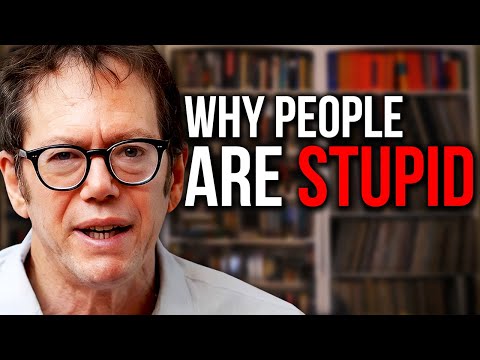
The Nature of Human Stupidity
0
VoiceTube posted on 2025/02/06Ever wonder why smart people make silly mistakes? This video dives into overconfidence and decision-making, exploring fascinating concepts like 'Negative Capability' and Thucydides' insights. You'll boost your vocabulary with advanced terms and gain a deeper cultural understanding!
Learn this video on the APP!
The VoiceTube App has more in-depth practice for videos!