
abuse
US /əˈbjuz/
UK /ə'bju:s/
- Transitive Verb
- To mistreat or be cruel towards someone
- To use in an inappropriate or excessive way
- Noun (Countable/Uncountable)
- Improper/dishonest/excessive use of something
- Insulting someone, e.g. by swearing at them
A2TOEICMoreaccomplishment
US /əˈkɑmplɪʃmənt/
UK /əˈkʌmplɪʃmənt/
- Noun (Countable/Uncountable)
- Something you succeed in after hard work
- A skill or special ability.
B1TOEICMoreadversity
US /ædˈvə:sɪti/
UK /əd'vɜ:sətɪ/
- Uncountable Noun
- Bad or difficult situation or times; trouble
B2TOEICMoreask for help
US
UK
- Verb (Transitive/Intransitive)
- To request assistance or support.
association
US /əˌsoʊʃi'eɪʃn/
UK /əˌsəʊʃɪ'eɪʃn/
- Noun
- Organization of people with the same interest
B1TOEICMoreat home
US /æt hom/
UK /æt həum/
- Phrase
- In one's own residence or country.
- Adjective
- Feeling comfortable and relaxed.
at that time
US /æt ðæt taɪm/
UK /æt ðæt taim/
- Phrase
- During a specific point in the past.
A1Moreburnout
US /ˈbɜ:rnaʊt/
UK /ˈbɜ:naʊt/
- Uncountable Noun
- When you get exhausted from the effort of your job
- Noun
- Action of making the wheels of your car make smoke
C2Morechildhood
US /ˈtʃaɪldˌhʊd/
UK /ˈtʃaɪldhʊd/
- Uncountable Noun
- The time when you are a child
B1Moreclinic
US /ˈklɪnɪk/
UK /ˈklɪnɪk/
- Noun
- Local medical center; department of a hospital
B1Morecommute
US /kəˈmjut/
UK /kəˈmju:t/
- Transitive Verb
- To lessen or shorten a prison sentence
- Intransitive Verb
- To make a journey regularly between work and home
B1Morecynical
US /ˈsɪnɪkəl/
UK /ˈsɪnɪkl/
- Adjective
- Always believing that bad things are the reasons
B2Moredeadline
US /ˈdɛdˌlaɪn/
UK /ˈdedlaɪn/
- Noun
- A date or time before which something must be done
B1TOEICMoredeal with
US /dil wɪð/
UK /di:l wið/
- Verb (Transitive/Intransitive)
- To buy or sell goods or services.
- Phrasal Verb
- To take action to solve a problem or manage a situation.
- To be about; concern.
A1Moredepersonalization
US
UK
- Uncountable Noun
- Condition of a loss of personal identity
C1Moredepression
US /dɪˈprɛʃən/
UK /dɪ'preʃn/
- Noun (Countable/Uncountable)
- Medical condition of a lack of vitality
- Period of unemployment and low economic activity
B2Moredistinctive
US /dɪˈstɪŋktɪv/
UK /dɪˈstɪŋktɪv/
- Adjective
- Having a quality that is different from others
- Having a quality or characteristic that makes a person or thing different from others; easily distinguishable.
A2TOEICMoreelusive
US /ɪˈlusɪv/
UK /iˈlu:sɪv/
- Adjective
- Difficult to find or catch
- Difficult to understand or define
B2Morefeel like
US
UK
- Intransitive Verb
- To have a desire or inclination for something.
- To have a particular quality or sensation; resemble.
A1Morefunction
US /ˈfʌŋkʃən/
UK /'fʌŋkʃn/
- Noun
- Social event, or party such as a wedding
- Mathematical operation used in calculations
- Intransitive Verb
- To serve a certain purpose or role
- To be operating, working or achieving its purpose
A2TOEICMorego away
US /ɡo əˈwe/
UK /ɡəu əˈwei/
- Phrasal Verb
- To go on vacation
- To leave; depart.
A1Morehybrid
US /ˈhaɪbrɪd/
UK /ˈhaɪbrɪd/
- Adjective
- Formed from combining different things
- Of mixed origin or composition.
- Noun (Countable/Uncountable)
- Something formed from combining different things
- An offspring of two plants or animals of different species or varieties.
B2Moreimpact
US /ˈɪmˌpækt/
UK /'ɪmpækt/
- Noun
- A striking effect or result to hit with force
- Act or force of one thing hitting something else
- Verb (Transitive/Intransitive)
- To hit or strike someone or something with force
- To have a strong effect on someone or something.
A2TOEICMorein the moment
US
UK
- Phrase
- At the present time; now.
- Spontaneously; without prior planning or consideration.
A1Morelack
US /læk/
UK /læk/
- Verb (Transitive/Intransitive)
- To not have, or not have enough, of something
- Uncountable Noun
- The state of not having or not having enough of
A2TOEICMoreleisure
US /ˈli:ʒər/
UK /ˈleʒə(r)/
- Uncountable Noun
- Time when you have no work to do and can relax
- Activities done for enjoyment during one's free time.
- Adjective
- Relating to or used for relaxation and enjoyment.
B1TOEICMorelook at
US /lʊk æt/
UK /luk æt/
- Phrasal Verb
- To use your eyes to focus on something
- To focus your eyes on something carefully
A1Morelook to
US
UK
- Phrasal Verb
- Be looking to. be planning to (do something)
- To expect someone to do something for you; rely on
A1Moremental
US /ˈmɛntl/
UK /ˈmentl/
- Adjective
- Concerning the mind
A2TOEICMoremini
US /ˈmɪni/
UK /'mɪnɪ/
- Noun
- Small British car
- A very short skirt
- Prefix
- Small
B1Morenegative
US /ˈnɛɡətɪv/
UK /'neɡətɪv/
- Noun
- The opposite to a positive electrical charge
- In grammar, containing words such as 'no' or 'not'
- Adjective
- Being harmful, unwanted or unhelpful
- In mathematics, being less than zero
A2Moreneglect
US /nɪˈɡlɛkt/
UK /nɪ'ɡlekt/
- Uncountable Noun
- Act of failing to do something important, required
- State or condition of not receiving proper care
- Transitive Verb
- To not do something that is important or required
- To fail to take care of something; ignore
B1TOEICMoreobvious
US /ˈɑbviəs/
UK /ˈɒbviəs/
- Adjective
- Easily understood and clear; plain to see
- Easy to see or notice.
A2TOEICMoreof itself
US /ʌv ɪtˈself/
UK /əv ɪtˈself/
- other
- Happening automatically without external cause or help.
B1Moreon call
US
UK
- Adjective
- Available to be summoned for duty, especially in emergencies.
- Adverb
- In a state of readiness to respond to calls for service or assistance.
A2Moreout of control
US /aʊt ʌv kənˈtrol/
UK /aut ɔv kənˈtrəul/
- Adjective
- Impossible to manage or control.
- Not able to be directed or steered.
A1Moreoverwhelming
US /ˌovɚˈhwɛlmɪŋ, -ˈwɛl-/
UK /ˌəʊvəˈwelmɪŋ/
- Transitive Verb
- To defeat something or someone completely
- To affect someone emotionally in a strong way
- Adjective
- Having too much to handle (e.g. work)
- Very great or very strong; so powerful that you cannot resist or decide how to react
B2Moreperceive
US /pɚˈsiv/
UK /pə'si:v/
- Transitive Verb
- To notice or become aware of something
- To think of someone or something in a certain way
B1TOEICMoreperfectionism
US /pɚˈfɛkʃəˌnɪzəm/
UK /pə'fekʃənɪzəm/
- Uncountable Noun
- Belief that only something perfect is acceptable
B1Moreperpetual
US /pərˈpetʃuəl/
UK /pəˈpetʃuəl/
- Adjective
- Continuing forever
B2TOEICMorephysical
US /ˈfɪzɪkəl/
UK /ˈfɪzɪkl/
- Countable Noun
- Health check at the doctors' or hospital
- Adjective
- Concerning the body of a person
- Concerning things that can be seen or touched
A2Morepositively
US /ˈpɑ:zətɪvli/
UK /ˈpɒzətɪvli/
- Adverb
- In a manner showing agreement or support for
- Definitely or certainly
B1Morepotent
US /ˈpotnt/
UK /'pəʊtnt/
- Adjective
- (Of men) being able to make a woman pregnant
- Having a powerful effect, e.g. on the body or mind
B2Morepressure
US /ˈprɛʃɚ/
UK /'preʃə(r)/
- Noun (Countable/Uncountable)
- Anxiety caused by difficult problems
- Force, weight when pressing against a thing
- Transitive Verb
- To apply force to something
- To persuade or force someone to do something
A2TOEICMorepseudo
US
UK
- Adjective
- Not genuine but having the appearance of
- (computing) being not actually but having the appearance of; quasi-
- Prefix
- A prefix meaning false or spurious.
C2Morepsychological
US /ˌsaɪkəˈlɑdʒɪkəl/
UK /ˌsaɪkəˈlɒdʒɪkl/
- Adjective
- Concerning the study of the mind
- Relating to or involving the use of propaganda, threats, or other psychological techniques to subdue an opponent.
A2Morepsychology
US /saɪˈkɑlədʒi/
UK /saɪ'kɒlədʒɪ/
- Uncountable Noun
- The study of the mind and how it affects behavior
- Way in which a person or group thinks and behaves
C2Morepurpose
US /ˈpɚpəs/
UK /'pɜ:pəs/
- Noun (Countable/Uncountable)
- Reason for which something is done; aim; goal
- A person's sense of resolve or determination.
- Adverb
- With clear intention or determination.
- Intentionally; deliberately.
A2TOEICMorerefresh
US /rɪˈfrɛʃ/
UK /rɪ'freʃ/
- Transitive Verb
- To refill a person's glass with a drink
- To restore strength and energy to; revive
B1Morerelieve
US /rɪˈliv/
UK /rɪ'li:v/
- Transitive Verb
- To make less boring by making some change
- To replace workers with others
B1Moreresearch
US /rɪˈsɚtʃ, ˈriˌsɚtʃ/
UK /rɪ'sɜ:tʃ/
- Verb (Transitive/Intransitive)
- To study in order to discover new ideas and facts
- To study the market relating to marketing products and services.
- Noun (Countable/Uncountable)
- Study done to discover new ideas and facts
- A particular area or topic of study.
A2TOEICMoreresemble
US /rɪˈzɛmbəl/
UK /rɪˈzembl/
- Verb (Transitive/Intransitive)
- To be similar to in looks or manner
B1TOEICMoreslow down
US /slo daʊn/
UK /sləu daun/
- Phrasal Verb
- To reduce the speed
- To become less active or busy.
A1Moresneak up
US /snik ʌp/
UK /sni:k ʌp/
- Phrasal Verb
- To approach someone quietly and unnoticed.
A1Morestress
US / strɛs/
UK /stres/
- Transitive Verb
- To emphasize one or more parts of a word, sentence
- To put pressure on something or someone
- Noun (Countable/Uncountable)
- Emphasis on part of a word or sentence
- Pressure on something or someone
A2TOEICMoresuch as
US /sʌtʃ æz/
UK /sʌtʃ æz/
- Preposition
- For example; like
A1Moretherapeutic
US /ˌθɛrəˈpjutɪk/
UK /ˌθerəˈpju:tɪk/
- Adjective
- Intended to make things (e.g. illness) better
B2Moretie back
US /taɪ bæk/
UK /taɪ bæk/
- other
- To fasten hair or an object so it is held back or out of the way.
B2Moretoll
US /tol/
UK /təʊl/
- Noun (Countable/Uncountable)
- Sound that a big bell makes, when it is rung
- Number of people hurt or killed in a disaster
- Intransitive Verb
- (Bell) to ring in a slow, loud and repeated way
B2TOEICMoretough
US /tʌf/
UK /tʌf/
- Adjective
- (Of food) difficult to chew or bite through
- Very difficult to do or deal with
- Noun
- A rough and aggressive person.
A2Moreundergraduate
US /ˌʌndərˈgrædʒuət/
UK /ˌʌndəˈgrædʒuət/
- Countable Noun
- A college student studying for their first degree
B2Moreworkplace
US /ˈwɚkˌples/
UK /ˈwɜ:kpleɪs/
- Noun (Countable/Uncountable)
- Place where work is done
B2Moreyoga
US /ˈjoʊgə/
UK /ˈjəʊgə/
- Noun (Countable/Uncountable)
- Exercise system to gain suppleness and tranquility
B2More
Vocabulary
- feel like: To have a desire or inclination for something.
- look at: To use your eyes to focus on something
- sneak up: To approach someone quietly and unnoticed.
- at home: In one's own residence or country.
- of itself: Happening automatically without external cause or help.
- look to: Be looking to. be planning to (do something)
- at that time: During a specific point in the past.
- slow down: To reduce the speed
- in the moment: At the present time; now.
- out of control: Impossible to manage or control.
- on call: Available to be summoned for duty, especially in emergencies.
- tie back: To fasten hair or an object so it is held back or out of the way.
- deal with
- such as: For example; like
- go away: To go on vacation
- ask for help: To request assistance or support.
- perceive: To notice or become aware of something
- obvious: Easily understood and clear; plain to see
- mindset: Way someone things about something
- mental: Concerning the mind
- tough: (Of food) difficult to chew or bite through
- depression: Medical condition of a lack of vitality
- overwhelming: To defeat something or someone completely
- physical: Health check at the doctors' or hospital
- impact: A striking effect or result to hit with force
- experience: Thing a person has done or that happened to them
- negative: The opposite to a positive electrical charge
- psychological: Concerning the study of the mind
- sense: Certain mental feeling or emotion
- purpose: Reason for which something is done; aim; goal
- express: To send something by fast mail
- psychology: The study of the mind and how it affects behavior
- stress: To emphasize one or more parts of a word, sentence
- research: To study in order to discover new ideas and facts
- pressure: Anxiety caused by difficult problems
- increase: To make or become larger in size or amount
- lack: To not have, or not have enough, of something
- elusive: Difficult to find or catch
- function: Social event, or party such as a wedding
- toll: Sound that a big bell makes, when it is rung
- abuse: To mistreat or be cruel towards someone
- therapeutic: Intended to make things (e.g. illness) better
- distinctive: Having a quality that is different from others
- association: Organization of people with the same interest
- neglect: Act of failing to do something important, required
- accomplishment: Something you succeed in after hard work
- adversity: Bad or difficult situation or times; trouble
- perpetual: Continuing forever
- risk: To do something potentially dangerous or foolish
- cynical: Always believing that bad things are the reasons
- potent: (Of men) being able to make a woman pregnant
- project: To predict what will happen in the future
- suggest: To mention something that could be done; propose
- commute: To lessen or shorten a prison sentence
- resemble: To be similar to in looks or manner
- company: Good feeling from being with someone else
- equally: In an equal, even, or identical manner
- leisure: Time when you have no work to do and can relax
- relieve: To make less boring by making some change
- control: A device designed to operate a machine
- hybrid: Formed from combining different things
- daily: Happening every day
- pick: Sharp tool used for breaking the ground
- include: To make someone, something part of a group
- annoy: To make someone angry
- burnout: When you get exhausted from the effort of your job
- childhood: The time when you are a child
- perfectionism: Belief that only something perfect is acceptable
- clinic: Local medical center; department of a hospital
- deadline: A date or time before which something must be done
- refresh: To refill a person's glass with a drink
- positively: In a manner showing agreement or support for
- pseudo: Not genuine but having the appearance of
- workplace: Place where work is done
- undergraduate: A college student studying for their first degree
- yoga: Exercise system to gain suppleness and tranquility
- depersonalization: Condition of a loss of personal identity
- mini: Small British car
Get the full experience in the app
Learn anywhere with detailed sentence and usage analysis
01:03
She took a brave step forward, leaving behind her comfort zone to chase her dreams.
Vocabulary
- brave
adj. Having courage
- comfort zone
phr. A familiar situation where one feels safe
Explanation
a brave step is a noun phrase, where brave is an adjective modifying the noun step, meaning "a courageous step".
forward is an adverb modifying step, meaning "ahead".
The whole phrase serves as the object, answering the "what" of took (verb) — she took a brave step forward.
Get the full experience in the app
Look up words anytime with pronunciation, part of speech, and usage
brave
US/brev/
UK/breɪv/
adj.Brave
v.t.To bravely face
A2 Elementary
Get the full experience in the app
Practice speaking anytime and get instant pronunciation feedback
Try this speaking exercise.
Try practicing with this sentence.
80
These 7 Habits Are Keeping You Burned Out
0
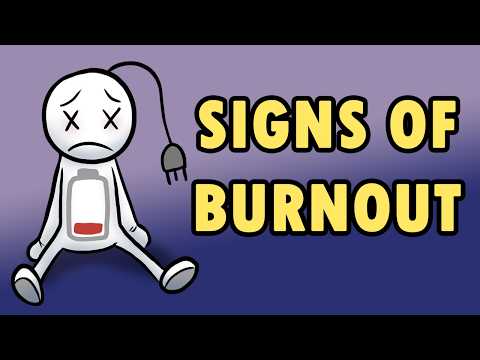
VoiceTube posted on 2025/03/13Feeling totally drained? This video dives into 7 common habits that might be causing your burnout, from perfectionism to long commutes. You'll pick up advanced vocabulary and practical tips for the workplace and daily life!
Learn this video on the APP!
The VoiceTube App has more in-depth practice for videos!