
after all
US /ˈæftɚ ɔl/
UK /ˈɑ:ftə ɔ:l/
- Adverb
- In spite of what was expected; used to introduce a statement that supports a previous statement or explains why it was made
- Considering everything; used to indicate that something is happening or is true despite some difficulty or obstacle
- Phrase
- Despite what was expected or thought; in spite of everything.
- Taking everything into consideration; considering that.
B1Moreas opposed to
US
UK
- Preposition
- In contrast to; rather than.
- Instead of; in place of.
A1Moreas soon as
US /æz sun æz/
UK /æz su:n æz/
- Phrase
- In a short time after (something happens)
- Without any delay; immediately
- Conjunction
- At the moment that, or immediately after.
A1Moreaside from
US /əˈsaɪd frʌm/
UK /əˈsaid frɔm/
- Phrase
A1Moreautism
US /ˈɔˌtɪzəm/
UK /ˈɔ:tɪzəm/
- Uncountable Noun
- Disorder that prevents normal communication
B2Morebased on
US
UK
- Phrasal Verb
- To use something as the foundation or starting point for something else.
- Preposition
- Using something as the main idea or foundation.
- Relying on something as evidence or justification.
A1Morechallenge
US /ˈtʃæləndʒ/
UK /'tʃælɪndʒ/
- Noun (Countable/Uncountable)
- An activity you wish to try that may be hard to do
- Act of formally inviting someone to compete
- Transitive Verb
- To formally invite someone to compete at something
- To question the correctness of something
A2Moreconclude
US /kənˈklud/
UK /kənˈklu:d/
- Verb (Transitive/Intransitive)
- To finish or cause to finish; end
- To arrive at a judgment or opinion
A2Morecritical
US /ˈkrɪtɪkəl/
UK /ˈkrɪtɪkl/
- Adjective
- Making a negative judgment of something
- Being important or serious; vital; dangerous
A2Moreelectronic
US /ɪlɛkˈtrɑnɪk, ˌilɛk-/
UK /ɪˌlek'trɒnɪk/
- Adjective
- Operating by use of electricity; digital
- Produced or performed using electronic instruments or devices.
A2Moregeek out
US
UK
- Phrasal Verb
- To talk about or do something with great enthusiasm because you are very interested in it.
A1Moregoing on
US /ˈɡoɪŋ ɑn/
UK /ˈgəʊɪŋ ɔn/
- Phrasal Verb
- To continue doing something
- To happen (usually negative)
A1Morehave to
US /hæv tu/
UK /ˈhæv tə/
- Auxiliary Verb
- Must do
A1Moreimpact
US /ˈɪmˌpækt/
UK /'ɪmpækt/
- Noun
- A striking effect or result to hit with force
- Act or force of one thing hitting something else
- Verb (Transitive/Intransitive)
- To hit or strike someone or something with force
- To have a strong effect on someone or something.
A2TOEICMorein a nutshell
US
UK
- Phrase
- As a summary; including the main points concisely
C2Morein the face of
US //ɪn ðə feɪs ɑv//
UK
- Phrase
- When confronted with something difficult or challenging.
- Despite; in defiance of; when confronted with.
A1Morein the past
US
UK
- Phrase
- During a former period of time; previously.
A1Morein the world
US /ɪn ði wɜrld/
UK /in ðə wɜː(r)ld/
- Phrase
- Used to emphasize a question expressing surprise, confusion, disbelief
- Used to indicate the extent or degree of something, often in a superlative sense
A1Moreno matter
US
UK
- Conjunction
- Regardless of; it does not matter.
- Adverb
- Regardless of; it is not important
A1Moreof course
US /ʌv kɔː(r)s/
UK /ɔv kɔː(r)s/
- Adverb
- Sure ; Certainly
- Phrase
- For sure; certainly
A2Moreopt in
US
UK
- Phrasal Verb
- To choose to participate in something; to give explicit consent.
A1Moreout of it
US /aʊt ʌv ɪt/
UK /aut ɔv it/
- Adjective
- Unconscious or not completely alert; dazed or confused.
- Not able to think clearly or react quickly; not with it.
A1Moreslip of the tongue
US /slɪp əv ðə tʌŋ/
UK /slɪp əv ðə tʌŋ/
- other
- An accidental mistake in speech.
B1Morespend more time
US
UK
- Phrase
- To dedicate a greater amount of time to a particular activity or person.
A1Morestupid
US /ˈstu:pɪd/
UK /ˈstju:pɪd/
- Adjective
- Not intelligent; lacking ability to learn easily
- Noun
- A stupid person.
A2Moresuch as
US /sʌtʃ æz/
UK /sʌtʃ æz/
- Preposition
- For example; like
A1Morethe whole story
US
UK
- Phrase
- The complete and unabridged account of something.
- The complete truth about a situation, including all the details.
A2Morethink about
US /θɪŋk əˈbaʊt/
UK /θiŋk əˈbaut/
- Phrasal Verb
- To consider something carefully.
- To remember or call to mind.
A1Moreto death
US /tu dɛθ/
UK /tu: deθ/
- Phrase
- Extremely; to a great degree
- Until death
B1Moretrivial
US /ˈtrɪviəl/
UK /'trɪvɪəl/
- Adjective
- Small; unimportant; worthless
- Easy and simple
B2TOEICMoreused to
US /juzd tu/
UK /ˈju:st tə/
- Adjective
- Did regularly before, but don't do now
- Auxiliary Verb
- Have done before, but do not do now
A1Morevarieties of
US
UK
- Phrase
- Different kinds or types of something.
- A range of different things.
A2More
Vocabulary
- have to: Must do
- think about: To consider something carefully.
- based on: To use something as the foundation or starting point for something else.
- to death: Extremely; to a great degree
- in a nutshell: As a summary; including the main points concisely
- in the world: Used to emphasize a question expressing surprise, confusion, disbelief
- varieties of: Different kinds or types of something.
- as soon as: In a short time after (something happens)
- in the face of: When confronted with something difficult or challenging.
- aside from
- no matter: Regardless of; it does not matter.
- slip of the tongue: An accidental mistake in speech.
- the whole story: The complete and unabridged account of something.
- such as: For example; like
- going on: To continue doing something
- of course: Sure ; Certainly
- out of it: Unconscious or not completely alert; dazed or confused.
- spend more time: To dedicate a greater amount of time to a particular activity or person.
- in the past: During a former period of time; previously.
- after all: In spite of what was expected; used to introduce a statement that supports a previous statement or explains why it was made
- geek out: To talk about or do something with great enthusiasm because you are very interested in it.
- as opposed to: In contrast to; rather than.
- opt in: To choose to participate in something; to give explicit consent.
- used to: Did regularly before, but don't do now
- people: Persons sharing culture, country, background, etc.
- fear: Unpleasant feeling caused by being aware of danger
- impact: A striking effect or result to hit with force
- critical: Making a negative judgment of something
- challenge: An activity you wish to try that may be hard to do
- number: Symbols such as 1, 2, 56, 793
- talk: Style of speaking
- trivial: Small; unimportant; worthless
- health: (Person, company) being in a good condition; well
- conclude: To finish or cause to finish; end
- big: Popular
- electronic: Operating by use of electricity; digital
- stupid: Not intelligent; lacking ability to learn easily
- thinking: To have an idea, opinion or belief about something
- autism: Disorder that prevents normal communication
Get the full experience in the app
Learn anywhere with detailed sentence and usage analysis
01:03
She took a brave step forward, leaving behind her comfort zone to chase her dreams.
Vocabulary
- brave
adj. Having courage
- comfort zone
phr. A familiar situation where one feels safe
Explanation
a brave step is a noun phrase, where brave is an adjective modifying the noun step, meaning "a courageous step".
forward is an adverb modifying step, meaning "ahead".
The whole phrase serves as the object, answering the "what" of took (verb) — she took a brave step forward.
Get the full experience in the app
Look up words anytime with pronunciation, part of speech, and usage
brave
US/brev/
UK/breɪv/
adj.Brave
v.t.To bravely face
A2 Elementary
Get the full experience in the app
Practice speaking anytime and get instant pronunciation feedback
Try this speaking exercise.
Try practicing with this sentence.
80
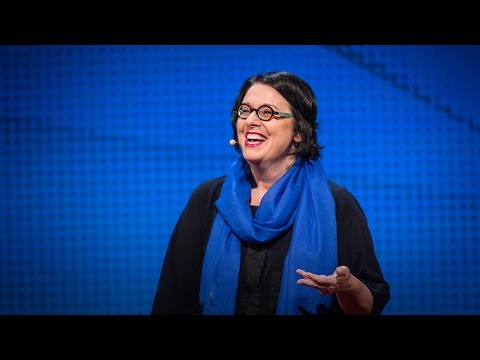
【TED】Susan Etlinger: What do we do with all this big data? (Susan Etlinger: What do we do with all this big data?)
0
Go Tutor posted on 2014/11/12Ever wonder what we *actually* do with all the massive amounts of data we collect? Susan Etlinger dives into the fascinating world of big data, exploring its implications for critical thinking and data ethics. You'll pick up some advanced vocabulary and gain deeper cultural insights, making this a truly thought-provoking watch!
Learn this video on the APP!
The VoiceTube App has more in-depth practice for videos!