
advantage
US /ædˈvæntɪdʒ/
UK /əd'vɑ:ntɪdʒ/
- Noun (Countable/Uncountable)
- Thing making the chance of success higher
- A positive point about something
- Transitive Verb
- To make use of something, especially to further one's own position; exploit.
A2TOEICMoreat least
US /æt list/
UK /æt li:st/
- Adverb
- As a minimum
- Not less than
- Phrase
- No less than; at the minimum
- Used to indicate that something is positive in a bad situation.
C2Moreat the same time
US
UK
- Phrase
- Simultaneously; at the identical moment.
- Nevertheless; however; used to introduce a contrasting or qualifying statement.
A1Moreauthor
US /ˈɔθɚ/
UK /'ɔ:θə(r)/
- Noun (Countable/Uncountable)
- Person who writes books, plays, poems etc.
- Transitive Verb
- To write book or articles
B1Moreautomatically
US /ˌɔtəˈmætɪkl:ɪ/
UK /ˌɔ:tə'mætɪklɪ/
- Adverb
- In a way not requiring control by a person
B1Moreback into
US /bæk ˈɪntu/
UK /bæk ˈɪntuː/
- Phrasal Verb
- To drive a vehicle backwards into a space or area.
- To accidentally collide with something while moving backwards.
A1Morebad habits
US
UK
- Noun (Countable/Uncountable)
- Negative or harmful routines or behaviors that are difficult to stop.
A1Morebasal
US /ˈbesəl, -zəl/
UK /ˈbeɪsl/
- Adjective
- Concerning the lowest level or fundamentals
B2Moreclothe
US /kloʊð/
UK /kləʊð/
- Transitive Verb
- To put a certain type of clothing on someone; dress
B1Morecome out with
US /kʌm aʊt wɪð/
UK /kʌm aut wið/
- Phrasal Verb
- To go out with someone on a date
- To say something, especially something surprising or controversial.
A1Morecomment
US /ˈkɑmɛnt/
UK /'kɒment/
- Noun (Countable/Uncountable)
- Something you say, giving an opinion; remark
- An explanatory note in a computer program.
- Verb (Transitive/Intransitive)
- To say something that gives your opinion
- To add explanatory notes to a computer program.
A2Morecomponent
US /kəmˈponənt/
UK /kəmˈpəʊnənt/
- Noun (Countable/Uncountable)
- One of the parts that something is made up of
- A constituent part; ingredient.
- Adjective
- Being a part of something
A2Morecounterintuitive
US /ˌkaʊntərɪn'tju:ɪtɪv/
UK /kaʊntərɪn'tju:ɪtɪv/
- Adjective
- Contrary to what common sense would suggest
C2Morecue
US /kju/
UK /kju:/
- Noun
- Word or action in a play to tell an actor to speak
- Transitive Verb
- To give a signal telling someone when to act/speak
B2Moredecade
US /ˈdɛkˌed, dɛˈked/
UK /ˈdekeɪd/
- Countable Noun
- Period of 10 years
B1TOEICMoredivide
US /dɪˈvaɪd/
UK /dɪ'vaɪd/
- Verb (Transitive/Intransitive)
- To split numbers by another number, e.g. 6 / 2 = 3
- To separate something into equal pieces
- Noun
- A separation or distinction.
A2TOEICMoreencode
US /ɛnˈkod/
UK /ɪn'kəʊd/
- Transitive Verb
- To change a message or information into code
B2Moreendemic
US /ɛnˈdɛmɪk/
UK /enˈdemɪk/
- Adjective
- Natural to or typical of a specific place/people
C1TOEICMoreexercise
US /ˈɛksɚˌsaɪz/
UK /'eksəsaɪz/
- Verb (Transitive/Intransitive)
- To work out to become stronger and healthier
- To retain your ability or practice your skills
- Noun (Countable/Uncountable)
- Physical activity to increase health and strength
- Set of questions in a text book
A2Moreformation
US /fɔ:rˈmeɪʃn/
UK /fɔ:ˈmeɪʃn/
- Noun
- Process of creating; making a particular shape
B1Morehabit
US /ˈhæbɪt/
UK /'hæbɪt/
- Noun
- Loose clothing like a cloak, worn by monks, nuns
- Usual way of behaving; something often repeated
A2TOEICMorehave at
US
UK
- Phrasal Verb
- To attack someone or something.
- To begin doing something with enthusiasm.
A1Morein on
US
UK
- Phrase
- To be involved in a secret or plan.
- To be aware of something that is secret or not generally known.
A1Morein particular
US /ɪn pɚˈtɪkjəlɚ/
UK /in pəˈtikjulə/
- Phrase
- Specifically; especially.
- Detailed or precise.
A1Morelatch
US /lætʃ/
UK /lætʃ/
- Transitive Verb
- To tightly attach yourself to something
- Noun
- A (door lock)
B2Morelatch on
US /lætʃ ɑn/
UK /lætʃ ɔn/
- Phrasal Verb
- To understand something, often after a period of confusion or delay.
- To become very attached to someone.
A1Moremake or break
US /mek ɔr brek/
UK /meik ɔ: breik/
- Adjective
- Capable of ensuring success or causing failure.
- Noun
- A situation that will either ensure success or cause failure.
A2Moreneurological
US /ˌnjʊrəˈlɑdʒɪkəl/
UK /ˌnjʊərəˈlɒdʒɪkl/
- Adjective
- Concerning, used in or practicing neurology
B2Morenext to
US /nɛkst tu/
UK /nekst tu:/
- Preposition
- Being located along side another
- In comparison with
- Adverb
- Almost; nearly
A1Moreno matter
US
UK
- Conjunction
- Regardless of; it does not matter.
- Adverb
- Regardless of; it is not important
A1Moreobvious
US /ˈɑbviəs/
UK /ˈɒbviəs/
- Adjective
- Easily understood and clear; plain to see
- Easy to see or notice.
A2TOEICMoreoccur
US /əˈkɚ/
UK /əˈkɜ:(r)/
- Intransitive Verb
- To come to pass or to happen
- To be found to exist; to be present.
A2TOEICMoreon to
US /ɑn tu/
UK /ɔn tu:/
- Preposition
- Toward something; forward
- Aware of someone's activities.
- Adjective
- Aware of someone's deception or illegal activities.
A1Moreover time
US /ˈovɚ taɪm/
UK /ˈəuvə taim/
- Phrase
- Gradually; as time passes.
- During a long period.
- Adverb
- Gradually; as time passes.
B1Morepretty much anything
US
UK
- Phrase
- Almost everything; nearly all things.
A1Morerelate
US /rɪˈlet/
UK /rɪ'leɪt/
- Transitive Verb
- To demonstrate a logical relationship between
- To understand or sympathize with, e.g. a problem
A2TOEICMoreresult
US /rɪˈzʌlt/
UK /rɪ'zʌlt/
- Noun
- Something produced through tests or experiments
- Final score of a competition, election or game
- Intransitive Verb
- To be the outcome of other causes and effects
- To happen or exist as a consequence of something.
A2Morereward
US /rɪˈwɔrd/
UK /rɪ'wɔ:d/
- Transitive Verb
- To give something because of someone's good work
- To give someone money for helping the police
- Noun
- Money given for information about criminals
- Something given in recognition of service, effort, or achievement.
A2TOEICMoreroutine
US /ruˈtin/
UK /ru:ˈti:n/
- Adjective
- Happening or done regularly or habitually
- Always the same; boring through lack of variety
- Noun (Countable/Uncountable)
- Regular or habitual way of behaving or doing
- Series of actions that make up a performance
A2TOEICMoresame time
US
UK
- Phrase
- Occurring simultaneously or at the same point in time.
- At the identical time as before; recurring at a fixed hour.
- Noun
- An equal duration or period.
A1Moresection
US / ˈsɛkʃən/
UK /'sekʃn/
- Noun (Countable/Uncountable)
- A part of a whole
- Specific group of people from a larger group
- Transitive Verb
- To divide something into smaller parts
B1TOEICMoreslip
US /slɪp/
UK /slɪp/
- Noun (Countable/Uncountable)
- Act of beginning to fall from losing balance
- A field position in cricket
- Verb (Transitive/Intransitive)
- To begin to fall as a result of losing balance
- To escape or become free from something
B1TOEICMoreslip back
US
UK
- Phrasal Verb
- To return to a former bad state or habit.
- To lose progress or fall behind.
A1Morestructure
US /ˈstrʌk.tʃɚ/
UK /ˈstrʌk.tʃə/
- Noun (Countable/Uncountable)
- The way in which the parts of a system or object are arranged or organized, or a system arranged in this way
- A building or other man-made object.
- Transitive Verb
- To plan, organize, or arrange the parts of something
A2TOEICMoresubscribe
US /səbˈskraɪb/
UK /səb'skraɪb/
- Verb (Transitive/Intransitive)
- To regularly pay to receive a service
B1TOEICMoretalking about
US
UK
- Phrasal Verb
- To discuss a particular topic.
- To be constantly mentioning or bringing up a subject.
A1Moretend
US /tɛnd/
UK /tend/
- Intransitive Verb
- To move or act in a certain manner
- Transitive Verb
- To take care of
A2Morethink of
US /θɪŋk ʌv/
UK /θiŋk ɔv/
- Phrasal Verb
- To look on as (being something specific); consider
- To consider or remember something.
- Verb (Transitive/Intransitive)
- To imagine or call something to mind
A1Moreto let
US /tu lɛt/
UK /tu let/
- Preposition
- Indicates that a property is available for rent.
A2Moretough
US /tʌf/
UK /tʌf/
- Adjective
- (Of food) difficult to chew or bite through
- Very difficult to do or deal with
- Noun
- A rough and aggressive person.
A2Moretrigger
US /ˈtrɪɡɚ/
UK /'trɪɡə(r)/
- Noun
- Lever on a gun that you pull to fire
- Device that starts a process
- Transitive Verb
- To start a process off e.g. a memory
- To cause something to begin or happen.
B1Morewake up
US /wek ʌp/
UK /weik ʌp/
- Phrasal Verb
- To stop sleeping
- To become fully aware and alert to a situation.
A1Moreworkout
US /ˈwə:kˌaʊt/
UK /ˈwɜ:kaʊt/
- Noun
- Energetic exercise
B2More
Vocabulary
- have at: To attack someone or something.
- at least: As a minimum
- bad habits: Negative or harmful routines or behaviors that are difficult to stop.
- slip back: To return to a former bad state or habit.
- no matter: Regardless of; it does not matter.
- back into: To drive a vehicle backwards into a space or area.
- in particular: Specifically; especially.
- think of: To look on as (being something specific); consider
- in on: To be involved in a secret or plan.
- on to: Toward something; forward
- latch on: To understand something, often after a period of confusion or delay.
- over time: Gradually; as time passes.
- at the same time: Simultaneously; at the identical moment.
- next to: Being located along side another
- same time: Occurring simultaneously or at the same point in time.
- wake up: To stop sleeping
- make or break: Capable of ensuring success or causing failure.
- to let: Indicates that a property is available for rent.
- come out with: To go out with someone on a date
- pretty much anything: Almost everything; nearly all things.
- talking about: To discuss a particular topic.
- subscribe: To regularly pay to receive a service
- sort: To organize things by putting them into groups
- obvious: Easily understood and clear; plain to see
- tough: (Of food) difficult to chew or bite through
- trigger: Lever on a gun that you pull to fire
- routine: Happening or done regularly or habitually
- matter: To be of great importance; to count
- structure: The way in which the parts of a system or object are arranged or organized, or a system arranged in this way
- tend: To move or act in a certain manner
- advantage: Thing making the chance of success higher
- reward: To give something because of someone's good work
- slip: Act of beginning to fall from losing balance
- comment: Something you say, giving an opinion; remark
- decade: Period of 10 years
- component: One of the parts that something is made up of
- divide: To split numbers by another number, e.g. 6 / 2 = 3
- exercise: To work out to become stronger and healthier
- automatically: In a way not requiring control by a person
- counterintuitive: Contrary to what common sense would suggest
- brain: To strike someone forcefully on the head
- occur: To come to pass or to happen
- cue: Word or action in a play to tell an actor to speak
- behavior: The way a person or thing acts; manner
- section: A part of a whole
- result: Something produced through tests or experiments
- pretty: Being attractive to the eye in a simple way
- create: To make, cause, or bring into existence
- neurological: Concerning, used in or practicing neurology
- break: To create a new record e.g. running the 100m dash
- relate: To demonstrate a logical relationship between
- shape: The outer form of something, what it looks like
- leave: To go away from; depart
- endemic: Natural to or typical of a specific place/people
- author: Person who writes books, plays, poems etc.
- lot: What happens to a person in life from chance; fate
- formation: Process of creating; making a particular shape
- single: One run in cricket or a hit baseball
- habit: Loose clothing like a cloak, worn by monks, nuns
- kind: In a caring and helpful manner
- workout: Energetic exercise
- hit: To have a negative impact on a person/place/thing
- learn: To get knowledge or skills by study or experience
- latch: To tightly attach yourself to something
- piece: A counter in a board game
- basal: Concerning the lowest level or fundamentals
- encode: To change a message or information into code
- clothe: To put a certain type of clothing on someone; dress
Get the full experience in the app
Learn anywhere with detailed sentence and usage analysis
01:03
She took a brave step forward, leaving behind her comfort zone to chase her dreams.
Vocabulary
- brave
adj. Having courage
- comfort zone
phr. A familiar situation where one feels safe
Explanation
a brave step is a noun phrase, where brave is an adjective modifying the noun step, meaning "a courageous step".
forward is an adverb modifying step, meaning "ahead".
The whole phrase serves as the object, answering the "what" of took (verb) — she took a brave step forward.
Get the full experience in the app
Look up words anytime with pronunciation, part of speech, and usage
brave
US/brev/
UK/breɪv/
adj.Brave
v.t.To bravely face
A2 Elementary
Get the full experience in the app
Practice speaking anytime and get instant pronunciation feedback
Try this speaking exercise.
Try practicing with this sentence.
80
0
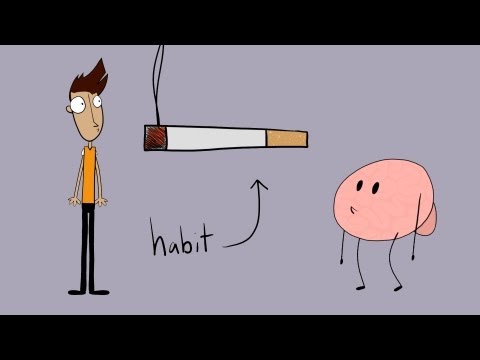
VoiceTube posted on 2022/05/07Ever wonder why some habits stick and others don't? This video dives into the fascinating 'Habit Loop' of cue, routine, and reward, using insights from neuroscience and Charles Duhigg's book, 'The Power of Habit'! You'll pick up advanced vocabulary and practical strategies for self-improvement that you can use every single day.
Learn this video on the APP!
The VoiceTube App has more in-depth practice for videos!