
absolutely
US /ˈæbsəˌlutli, ˌæbsəˈlutli/
UK /ˈæbsəlu:tli/
- Adverb
- Completely; totally; very
- Considered independently and without relation to other things; viewed abstractly; as, quantity absolutely considered.
A2Moreacademic
US /ˌækəˈdɛmɪk/
UK /ˌækə'demɪk/
- Adjective
- Concerning education, schools, universities, etc.
- Concerning education, schools, universities, etc.
- Noun (Countable/Uncountable)
- Educator teaching at a college or university
- A subject taught at schools and universities.
B1Morealert
US /əˈlɚt/
UK /ə'lɜ:t/
- Adjective
- Being aware and able to respond quickly
- Transitive Verb
- To warn someone so they can respond to it
B1TOEICMoreat the same time
US
UK
- Phrase
- Simultaneously; at the identical moment.
- Nevertheless; however; used to introduce a contrasting or qualifying statement.
A1Moreaudience
US /ˈɔdiəns/
UK /ˈɔ:diəns/
- Noun (Countable/Uncountable)
- Group of people attending a play, movie etc.
A2TOEICMoreauthority
US /əˈθɔrɪti, əˈθɑr-, ɔˈθɔr-, ɔˈθɑr-/
UK /ɔ:ˈθɒrəti/
- Noun (Countable/Uncountable)
- The power to give orders to people
- Person who is an expert on a particular topic
A2TOEICMorebased on
US
UK
- Phrasal Verb
- To use something as the foundation or starting point for something else.
- Preposition
- Using something as the main idea or foundation.
- Relying on something as evidence or justification.
A1Morecalm
US /kɑm/
UK /kɑ:m/
- Adjective
- Without wind or storm; quiet; peaceful
- Relaxed and not worried or angry
- Verb (Transitive/Intransitive)
- To make or become relaxed and not worried or angry
A2Morecite
US /saɪt/
UK /saɪt/
- Transitive Verb
- To officially order someone to appear in court
- To officially praise someone, e.g. for bravery
B1TOEICMorecoherent
US /koˈhɪrənt, -ˈhɛr-/
UK /kəʊ'hɪərənt/
- Adjective
- (Of language, ideas) logical and well-organized
B1Morecome from
US /kʌm frʌm/
UK /kʌm frɔm/
- Phrasal Verb
- To have as your native country or city
A1Morecompose
US /kəmˈpoʊz/
UK /kəmˈpəʊz/
- Verb (Transitive/Intransitive)
- To calm yourself after being angry or upset
- To write an essay, article, poem, music etc.
B1Moreconcern
US /kənˈsɚn/
UK /kənˈsɜ:n/
- Verb (Transitive/Intransitive)
- To be about a particular topic
- To have a direct impact on someone
- Noun (Countable/Uncountable)
- Company, firm or business
- Feeling of worry or anxiety
A2TOEICMoreconfident
US /ˈkɑnfɪdənt/
UK /ˈkɒnfɪdənt/
- Adjective
- Feeling that you can do well at something
- Having a strong belief in the truth or certainty of something.
- Noun
- A person who is self-assured and believes in their abilities.
A2Morecontent
US /ˈkɑnˌtɛnt/
UK /'kɒntent/
- Adjective
- Being happy or satisfied
- In a state of peaceful happiness.
- Noun (Countable/Uncountable)
- Information in something, e.g. book or computer
- The subject matter of a book, speech, etc.
A2Moredilemma
US /dɪˈlɛmə/
UK /dɪ'lemə/
- Noun
- Position in which you must make difficult choices
- An argument forcing an opponent to choose between two unfavorable alternatives.
B1Morediscipline
US /ˈdɪsəplɪn/
UK /'dɪsəplɪn/
- Noun (Countable/Uncountable)
- Instruction and practice to teach obedience
- Particular field of study
- Transitive Verb
- To control or train others by making them obey you
- To punish a person for their wrongdoing
B1TOEICMoredivide
US /dɪˈvaɪd/
UK /dɪ'vaɪd/
- Verb (Transitive/Intransitive)
- To split numbers by another number, e.g. 6 / 2 = 3
- To separate something into equal pieces
- Noun
- A separation or distinction.
A2TOEICMoreeach section
US
UK
- Determiner
- Every individual part or division of something.
- Every individual part or division in a document or text.
essay
US /ˈɛsˌe, ɛˈse/
UK /'eseɪ/
- Noun (Countable/Uncountable)
- Short piece of written opinion on a subject
- A test of the quality of a metal or ore.
- Verb (Transitive/Intransitive)
- To attempt or try.
- To test or evaluate the quality of something.
B1Morefacial
US /ˈfeʃəl/
UK /'feɪʃl/
- Noun (Countable/Uncountable)
- Treatment to improve condition of the skin of face
- Adjective
- Concerning or on the face
B2Morefactor in
US /ˈfæktɚ ɪn/
UK /ˈfæktə in/
- Phrasal Verb
- To include something as an important element when making a decision or calculation.
B2Morefor example
US
UK
- Phrase
- As an illustration or instance.
for instance
US /fɔr ˈɪnstəns/
UK /fɔ: ˈinstəns/
- Adverb
- As an example.
- Phrase
- As an example.
- As an illustration or case in point
B1Moregoes well
US
UK
- Phrasal Verb
- To happen in the way desired
- Intransitive Verb
- To be successful or satisfactory; to turn out favorably.
- To be harmonious or matching; to look good together.
A1Moregrade
US /ɡred/
UK /ɡreɪd/
- Transitive Verb
- To give a road the required angle of slope
- To determine the level or quality of something
- Noun
- Level or quality of something e.g. a diamond
- Mark that shows the quality of a student's work
B1TOEICMorehave to
US /hæv tu/
UK /ˈhæv tə/
- Auxiliary Verb
- Must do
A1Morein fact
US /ɪn fækt/
UK /in fækt/
- Adverb
- Used to emphasize the truth of a statement, especially one that contrasts with or contradicts something else.
- Used to introduce a more detailed or surprising piece of information.
- Phrase
- Used to emphasize the truth of a statement, especially one that is surprising or contrary to what might be expected.
C1Moreintonation
US /ˌɪntəˈneʃən,-to-/
UK /ˌɪntəˈneɪʃn/
- Uncountable Noun
- Rises and falls in pitch of speech
B2Moremarvelous
US /ˈmɑrvələs/
UK /'mɑ:vɪləs/
- Adjective
- Extraordinarily good or great
- Remarkably skilled or talented.
B2Morenervousness
US
UK
- Uncountable Noun
- Feeling of uneasiness or anxiety about something
C2Moreopinion
US /əˈpɪnjən/
UK /əˈpɪnjən/
- Noun
- Court judge's statement why a decision was made
- A person's thoughts on a topic
A2TOEICMoreoral
US /ˈɔrəl/
UK /ˈɔ:rəl/
- Adjective
- Concerning the mouth
- Spoken text
B1Moreposture
US /ˈpɑstʃɚ/
UK /'pɒstʃə(r)/
- Noun
- Attitude someone adopts regarding a subject
- The position of the body when standing or sitting
- Intransitive Verb
- To be insincere in order to gain favor
B1TOEICMorepowerpoint
US
UK
- Noun
- Software package to make presentations
C2Morepresentation
US /ˌprɛzənˈteʃən, ˌprizən-/
UK /ˌpreznˈteɪʃn/
- Noun (Countable/Uncountable)
- Act of giving a formal talk about something
- Way in which something is displayed or shown
A2Morepreviously
US /ˈprivɪəslɪ/
UK /'pri:vɪəslɪ/
- Adverb
- At an earlier time
- In the past; formerly.
B1TOEICMoreproblematic
US /ˌprɑbləˈmætɪk/
UK /ˌprɒbləˈmætɪk/
- Adjective
- Being difficult to deal with or fix
- Of a doubtful or uncertain nature.
B2Moreproperly
US /ˈprɑːpərli/
UK /ˈprɔpəlɪ/
- Adverb
- In an appropriate or correct manner
- In a way that is suitable or appropriate.
A2Morereference
US /ˈrɛfərəns, ˈrɛfrəns/
UK /'refrəns/
- Noun
- A letter of recommendation, e.g. for a job
- Note in a book, etc. giving source of information
- Transitive Verb
- To cite a piece of research in speech or writing
- Mention or refer to.
A2TOEICMorerehearse
US /rɪˈhɜ:rs/
UK /rɪˈhɜ:s/
- Verb (Transitive/Intransitive)
- To practice e.g. play, speech before a performance
- To say or write again; repeat.
B1TOEICMorerelevant
US /ˈrɛləvənt/
UK /ˈreləvənt/
- Adjective
- Having an effect on an issue; related or current
A2TOEICMoresame time
US
UK
- Phrase
- Occurring simultaneously or at the same point in time.
- At the identical time as before; recurring at a fixed hour.
- Noun
- An equal duration or period.
A1Moresection
US / ˈsɛkʃən/
UK /'sekʃn/
- Noun (Countable/Uncountable)
- A part of a whole
- Specific group of people from a larger group
- Transitive Verb
- To divide something into smaller parts
B1TOEICMoresignpost
US /ˈsaɪnpoʊst/
UK /ˈsaɪnpəʊst/
- Noun
- Post bearing a sign that gives directions
- Transitive Verb
- To show the way; show what might happen
C1Morestructure
US /ˈstrʌk.tʃɚ/
UK /ˈstrʌk.tʃə/
- Noun (Countable/Uncountable)
- The way in which the parts of a system or object are arranged or organized, or a system arranged in this way
- A building or other man-made object.
- Transitive Verb
- To plan, organize, or arrange the parts of something
A2TOEICMoretalking about
US
UK
- Phrasal Verb
- To discuss a particular topic.
- To be constantly mentioning or bringing up a subject.
A1Moretricky
US /ˈtrɪki/
UK /'trɪkɪ/
- Adjective
- Difficult, so needing skill to do or deal with
- Likely to use tricks; dishonest or deceptive
A2Moreverbally
US /ˈvɜ:rbəli/
UK /ˈvɜ:bəli/
- Adverb
- Through speech; using words
B2Morewrap
US /ræp/
UK /ræp/
- Countable Noun
- Piece of clothing worn loosely on the shoulders
- Thin bread filled with food and rolled
- Transitive Verb
- To be or move around something
- To cover something with paper or a cloth e.g. gift
B1More
Vocabulary
- have to: Must do
- talking about: To discuss a particular topic.
- for instance: As an example.
- come from: To have as your native country or city
- for example: As an illustration or instance.
- factor in: To include something as an important element when making a decision or calculation.
- each section: Every individual part or division of something.
- at the same time: Simultaneously; at the identical moment.
- same time: Occurring simultaneously or at the same point in time.
- goes well: To happen in the way desired
- based on: To use something as the foundation or starting point for something else.
- in fact: Used to emphasize the truth of a statement, especially one that contrasts with or contradicts something else.
- relevant: Having an effect on an issue; related or current
- discipline: Instruction and practice to teach obedience
- absolutely: Completely; totally; very
- content: Being happy or satisfied
- properly: In an appropriate or correct manner
- structure: The way in which the parts of a system or object are arranged or organized, or a system arranged in this way
- tricky: Difficult, so needing skill to do or deal with
- audience: Group of people attending a play, movie etc.
- wrap: Piece of clothing worn loosely on the shoulders
- opinion: Court judge's statement why a decision was made
- confident: Feeling that you can do well at something
- academic: Concerning education, schools, universities, etc.
- authority: The power to give orders to people
- divide: To split numbers by another number, e.g. 6 / 2 = 3
- presentation: Act of giving a formal talk about something
- calm: Without wind or storm; quiet; peaceful
- alert: Being aware and able to respond quickly
- reference: A letter of recommendation, e.g. for a job
- concern: To be about a particular topic
- dilemma: Position in which you must make difficult choices
- explain: To make clear or easy to understand by describing
- section: A part of a whole
- rehearse: To practice e.g. play, speech before a performance
- nervous: Concerning the system of nerves in the body
- posture: Attitude someone adopts regarding a subject
- provide: To make available; to supply for use
- intonation: Rises and falls in pitch of speech
- essay: Short piece of written opinion on a subject
- appear: To be seen, become visible; come into sight
- previously: At an earlier time
- allow: To admit the validity or truth of something
- notice: To become aware by sight, touch, or hearing
- public: Owned by the government
- learn: To get knowledge or skills by study or experience
- marvelous: Extraordinarily good or great
- language: Words or signs used to communicate messages
- steal: A bargain; something bought very cheaply
- simple: Not hard to understand or do; not complex
- facial: Treatment to improve condition of the skin of face
- problematic: Being difficult to deal with or fix
- oral: Concerning the mouth
- lot: What happens to a person in life from chance; fate
- remember: To give someone a gift, e.g. birthday, wedding
- compose: To calm yourself after being angry or upset
- part: Division of a book
- verbally: Through speech; using words
- coherent: (Of language, ideas) logical and well-organized
- interesting: Taking your attention; making you want to know
- grade: To give a road the required angle of slope
- cite: To officially order someone to appear in court
- nervousness: Feeling of uneasiness or anxiety about something
- signpost: Post bearing a sign that gives directions
- powerpoint: Software package to make presentations
Get the full experience in the app
Learn anywhere with detailed sentence and usage analysis
01:03
She took a brave step forward, leaving behind her comfort zone to chase her dreams.
Vocabulary
- brave
adj. Having courage
- comfort zone
phr. A familiar situation where one feels safe
Explanation
a brave step is a noun phrase, where brave is an adjective modifying the noun step, meaning "a courageous step".
forward is an adverb modifying step, meaning "ahead".
The whole phrase serves as the object, answering the "what" of took (verb) — she took a brave step forward.
Get the full experience in the app
Look up words anytime with pronunciation, part of speech, and usage
brave
US/brev/
UK/breɪv/
adj.Brave
v.t.To bravely face
A2 Elementary
Get the full experience in the app
Practice speaking anytime and get instant pronunciation feedback
Try this speaking exercise.
Try practicing with this sentence.
80
What is a good academic presentation?
0
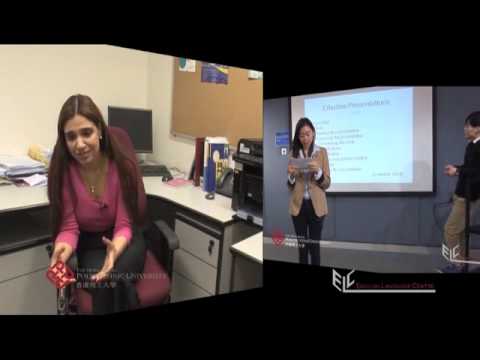
Blue Jimmy posted on 2013/07/01Ever wondered what makes a great academic presentation? This video breaks down everything from structuring your talk and using APA style referencing to nailing your public speaking with confident body language and intonation. You'll pick up essential vocabulary and learn how to rehearse like a pro, making your next presentation a huge success!
Learn this video on the APP!
The VoiceTube App has more in-depth practice for videos!