
at home
US /æt hom/
UK /æt həum/
- Phrase
- In one's own residence or country.
- Adjective
- Feeling comfortable and relaxed.
basically
US /ˈbesɪkəli,-kli/
UK /ˈbeɪsɪkli/
- Adverb
- Used before you explain something simply, clearly
- In essence; when you consider the most important aspects of something.
A2Morebust
US /bʌst/
UK /bʌst/
- Transitive Verb
- To arrest people involved in crime
- To break something with force
- Noun
- A woman's chest or breasts
B2Morecombination
US /ˌkɑmbəˈneʃən/
UK /ˌkɒmbɪ'neɪʃn/
- Noun
- Series of letters or numbers needed to open a lock
- Act or result of mixing things together
B1Morecome up
US /kʌm ʌp/
UK /kʌm ʌp/
- Phrasal Verb
- To come closer to someone; approach
- (Of sun) to rise into the sky in the morning
A1Morecomplicated
US /ˈkɑmplɪˌketɪd/
UK /'kɒmplɪkeɪtɪd/
- Transitive Verb
- To make more difficult to do, understand or use
- Adjective
- Difficult to do, understand or use
- Involving many different and confusing aspects.
B1Moreconcentrate
US /ˈkɑnsənˌtret/
UK /'kɒnsntreɪt/
- Verb (Transitive/Intransitive)
- To cause to be present in large amount or number
- To pay great attention to a task; focus
- Noun (Countable/Uncountable)
- A substance made by removing water or other diluents; a concentrated form of something.
A2Moredistant
US /ˈdɪstənt/
UK /'dɪstənt/
- Adjective
- Unfriendly; cold
- Existing or happening far away in place or time
B1Moredistinguish
US /dɪˈstɪŋɡwɪʃ/
UK /dɪˈstɪŋgwɪʃ/
- Transitive Verb
- To make something clearly different from others
- To make noticeable or different; to set apart.
A2TOEICMoreed
US
UK
- Noun
- Shortened form of 'editor'
- Transitive Verb
- To exhaust or tire someone out.
- To exclude or remove someone from something.
A2Moreemphasizes
US
UK
- Transitive Verb
- To stress the items that are important
- States or asserts forcefully.
B2Morefeel for
US /fil fɔr/
UK /fi:l fɔ:/
- Phrasal Verb
- To have sympathy for someone; to empathize with someone's situation.
- To try to find something by touching it.
A1Morefor example
US
UK
- Phrase
- As an illustration or instance.
in the past
US
UK
- Phrase
- During a former period of time; previously.
A1Moreirregular
US /ɪˈrɛɡjəlɚ/
UK /ɪˈregjələ(r)/
- Adjective
- Happening at unequal spaced distances or times
- Being unusual, unexpected, or not normal
A2Moreirregular verbs
US
UK
- Noun (plural)
- Verbs that do not form their past tense or past participle by adding -ed.
B1Morememorize
US /ˈmɛməˌraɪz/
UK /ˈmeməraɪz/
- Transitive Verb
- To study something so that you remember it
A2Moreof course
US /ʌv kɔː(r)s/
UK /ɔv kɔː(r)s/
- Adverb
- Sure ; Certainly
- Phrase
- For sure; certainly
A2Moreparticiple
US /pɑ:rˈtɪsɪpl/
UK /pɑ:ˈtɪsɪpl/
- Participle
- Nonfinite form of the verb, e.g. -ing or -ed forms
C2Morepractice
US /ˈpræktɪs/
UK /'præktɪs/
- Noun
- The office and place for legal or medical work
- Doing something many times to become better at it
- Verb (Transitive/Intransitive)
- To work as a doctor or lawyer
- To live according to the teachings of a religion
A2TOEICMorepress
US /prɛs/
UK /pres/
- Noun
- Machine using pressure to shape, flatten, squeeze
- General term for TV, radio, newspapers
- Transitive Verb
- To make clothes smooth using a heated iron; iron
- To repeatedly ask someone to do something
A2TOEICMoreprint out
US /prɪnt aʊt/
UK /print aut/
- Phrasal Verb
- To produce a paper copy of a document from a computer.
A1Morerefer
US /rɪˈfɚ/
UK /rɪ'fɜ:(r)/
- Verb (Transitive/Intransitive)
- To talk about or write about something
- To give information about something
A2TOEICMorereference
US /ˈrɛfərəns, ˈrɛfrəns/
UK /'refrəns/
- Noun
- A letter of recommendation, e.g. for a job
- Note in a book, etc. giving source of information
- Transitive Verb
- To cite a piece of research in speech or writing
- Mention or refer to.
A2TOEICMoreregular
US /ˈrɛɡjəlɚ/
UK /ˈregjələ(r)/
- Adjective
- Having an equal amount of space or time in between
- Occurring or being done frequently
- Noun (Countable/Uncountable)
- Customers who frequently visit a place
- Soldier who has a permanent job in the army
A2TOEICMoresection
US / ˈsɛkʃən/
UK /'sekʃn/
- Noun (Countable/Uncountable)
- A part of a whole
- Specific group of people from a larger group
- Transitive Verb
- To divide something into smaller parts
B1TOEICMoretense
US /tɛns/
UK /tens/
- Noun
- The use of grammar to state the time things happen
- Adjective
- Unable to relax; feeling nervous or stressed
- Stretched tight and stiff
A2TOEICMoretired
US /ˈtaɪərd/
UK /ˈtaɪəd/
- Adjective
- Without energy so you want to rest or fall asleep
- Transitive Verb
- To lose, cause to lose energy so you want to rest
B1Morevideo
US /ˈvɪdiˌo/
UK /'vɪdɪəʊ/
- Noun (Countable/Uncountable)
- Recording capturing action with sound
- A recording of moving visual images made digitally or on videotape.
- Transitive Verb
- To make a moving film of, with sound
- To make a video call.
A2Morevisual
US /ˈvɪʒuəl/
UK /'vɪʒʊəl/
- Adjective
- Of or relating to vision
- Noun
- Pictures/images used to help audience understand
- A picture, map, piece of film, or other visual representation.
A2More
Vocabulary
- irregular verbs: Verbs that do not form their past tense or past participle by adding -ed.
- for example: As an illustration or instance.
- in the past: During a former period of time; previously.
- at home: In one's own residence or country.
- print out: To produce a paper copy of a document from a computer.
- feel for: To have sympathy for someone; to empathize with someone's situation.
- of course: Sure ; Certainly
- come up: To come closer to someone; approach
- present: Being in attendance; being there; having turned up
- basically: Used before you explain something simply, clearly
- practice: The office and place for legal or medical work
- combination: Series of letters or numbers needed to open a lock
- concentrate: To cause to be present in large amount or number
- complicated: To make more difficult to do, understand or use
- reference: A letter of recommendation, e.g. for a job
- distinguish: To make something clearly different from others
- bit: Device put in a horse's mouth to control it
- regular: Having an equal amount of space or time in between
- similar: Nearly the same; alike
- section: A part of a whole
- simply: In an easy or clear manner
- explain: To make clear or easy to understand by describing
- refer: To talk about or write about something
- form: Sports team or person's current winning record
- tense: The use of grammar to state the time things happen
- visual: Of or relating to vision
- press: Machine using pressure to shape, flatten, squeeze
- bust: To arrest people involved in crime
- important: Having power or authority
- adjective: A word that describes a noun, e.g. happy
- memorize: To study something so that you remember it
- distant: Unfriendly; cold
- question: To ask for or try to get information
- verb: Word that expresses an action or state
- learn: To get knowledge or skills by study or experience
- simple: Not hard to understand or do; not complex
- include: To make someone, something part of a group
- front: Behavior not showing a person's true feelings
- hard: Difficult to do; difficult to understand
- irregular: Happening at unequal spaced distances or times
- video: Recording capturing action with sound
- participle: Nonfinite form of the verb, e.g. -ing or -ed forms
- tired: Without energy so you want to rest or fall asleep
- emphasizes: To stress the items that are important
- ed: Shortened form of 'editor'
Get the full experience in the app
Learn anywhere with detailed sentence and usage analysis
01:03
She took a brave step forward, leaving behind her comfort zone to chase her dreams.
Vocabulary
- brave
adj. Having courage
- comfort zone
phr. A familiar situation where one feels safe
Explanation
a brave step is a noun phrase, where brave is an adjective modifying the noun step, meaning "a courageous step".
forward is an adverb modifying step, meaning "ahead".
The whole phrase serves as the object, answering the "what" of took (verb) — she took a brave step forward.
Get the full experience in the app
Look up words anytime with pronunciation, part of speech, and usage
brave
US/brev/
UK/breɪv/
adj.Brave
v.t.To bravely face
A2 Elementary
Get the full experience in the app
Practice speaking anytime and get instant pronunciation feedback
Try this speaking exercise.
Try practicing with this sentence.
80
The past tense
0
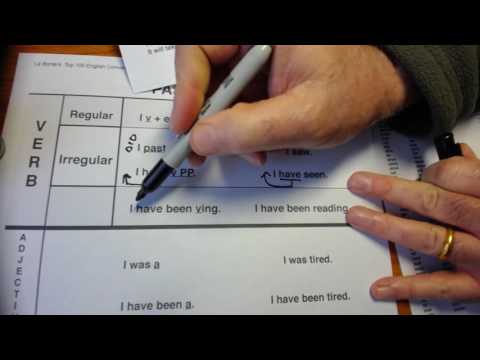
JasonLeungteacher posted on 2017/07/13Ever get confused between 'have' and 'did' when talking about the past? This video breaks down the past tense, including irregular verbs and the present perfect, with clear examples and even a printable PDF to help you master it! You'll be building simple sentences with confidence in no time!
Learn this video on the APP!
The VoiceTube App has more in-depth practice for videos!