
abundant
US /əˈbʌndənt/
UK /əˈbʌndənt/
- Adjective
- Being in very great supply; plentiful
B2TOEICMorearoma
US /əˈromə/
UK /ə'rəʊmə/
- Noun (Countable/Uncountable)
- Noticeable pleasing smell
B2Morearomatic
US /ˌærəˈmætɪk/
UK /ˌærəˈmætɪk/
- Adjective
- (Of herbs, etc.) with a strong, but pleasant smell
C1Moreblame
US /blem/
UK /bleɪm/
- Transitive Verb
- To say someone is responsible for something bad
- Noun (Countable/Uncountable)
- Act of saying someone did something bad
A2TOEICMoreburden
US /ˈbɚdn/
UK /'bɜ:dn/
- Transitive Verb
- To weigh down with a load; impose a task upon
- Noun (Countable/Uncountable)
- Something difficult to do, manage, or accept
- Something that is carried with difficulty; an oppressive load.
B1Morecause
US /kɔz/
UK /kɔ:z/
- Noun
- Belief, goal or organization that people support
- Reason for
- Transitive Verb
- To make something happen; create effect or result
A2Morecelery
US /ˈsɛləri/
UK /ˈseləri/
- Uncountable Noun
- Long hard thin green vegetable
B2Morechromosome
US /ˈkroʊməsoʊm/
UK /ˈkrəʊməsəʊm/
- Noun
- Cell structures that carry the genetic material
C2Morecope
US /koʊp/
UK /kəʊp/
- Verb (Transitive/Intransitive)
- To deal with something in spite of difficulties
A2Moreculprit
US /ˈkʌlprɪt/
UK /ˈkʌlprɪt/
- Countable Noun
- Person who has done something wrong or illegal
- Noun
- a cause or reason for the problem
B2Moredisgrace
US /dɪsˈɡres/
UK /dɪsˈgreɪs/
- Noun (Countable/Uncountable)
- Shame or dishonor
B2Moredistinct
US /dɪˈstɪŋkt/
UK /dɪˈstɪŋkt/
- Adjective
- Clearly different in nature from something else
- Clearly noticeable; easily perceived.
A2Moredivisive
US /dɪˈvaɪsɪv/
UK /dɪˈvaɪsɪv/
- Adjective
- Causing division or disagreement
C1Moredna
US
UK
- Noun (Countable/Uncountable)
- Chemical in living cells with genetic information
B2Moredominant
US /ˈdɑmənənt/
UK /ˈdɒmɪnənt/
- Adjective
- The strongest; most powerful
- Being the most common, significant or important
- Noun
- (Music) The fifth note of a scale.
B1Moreestimate
US /ˈɛstəˌmet/
UK /'estɪmət/
- Noun (Countable/Uncountable)
- Guess or calculation of cost, size or value
- A judgment or opinion.
- Transitive Verb
- To guess or calculate the cost, size or value of
- To form an approximate idea or judgment of.
A2TOEICMoreexact
US /ɪɡˈzækt/
UK /ɪɡ'zækt/
- Adjective
- Completely correct; accurate; specific
- Transitive Verb
- To get something, sometimes using force
A2TOEICMoreflavor
US /ˈflevɚ/
UK /'fleɪvə/
- Noun (Countable/Uncountable)
- Quality giving something a particular character
- Taste of something, especially in food or drink
- Transitive Verb
- To add extra taste to a food
B1Morefor short
US /fɔr ʃɔrt/
UK /fɔ: ʃɔ:t/
- Phrase
- As a shortened form of a name or phrase.
A1Morefor the rest
US /fɔr ði rɛst/
UK /fɔ: ðə rest/
- Phrase
- Concerning the remaining people or things.
- During the remaining part of a period of time.
A1Moregene
US /dʒin/
UK /dʒi:n/
- Noun
- Part of cell controlling development of a thing
B1Moregenetic
US /dʒəˈnɛtɪk/
UK /dʒəˈnetɪk/
- Adjective
- Of, relating to, or controlled by genes
- Relating to genes or heredity.
B1Moregenetically
US /dʒə'netɪklɪ/
UK /dʒə'netɪklɪ/
- Adverb
- Caused or controlled, or by genes
- By means of genes or genetic engineering.
B1Moreherb
US /ɜ:rb/
UK /hɜ:b/
- Noun (Countable/Uncountable)
- Small leafy plant used in medicines or food
B1Morehumankind
US /ˈhjumənˌkaɪnd/
UK /ˌhju:mənˈkaɪnd/
- Noun (Countable/Uncountable)
- All of the living human inhabitants of the earth
- The characteristics and qualities associated with human beings.
B2Morein the world
US /ɪn ði wɜrld/
UK /in ðə wɜː(r)ld/
- Phrase
- Used to emphasize a question expressing surprise, confusion, disbelief
- Used to indicate the extent or degree of something, often in a superlative sense
A1Moreinfamous
US /ˈɪnfəməs/
UK /'ɪnfəməs/
- Adjective
- Famous because of something bad
B2Moreinnocent
US /ˈɪnəsənt/
UK /'ɪnəsnt/
- Adjective
- Free from guilt or responsibility for a crime
- (Accidentally being harmed) without deserving it
- Noun
- Person with little experience of the world
A2TOEICMoreliterally
US /ˈlɪtərəli/
UK
- Adverb
- In a literal manner or sense; exactly as stated.
- Used for emphasis to describe something that is actually true, often to highlight surprise or intensity.
B1Morelook at
US /lʊk æt/
UK /luk æt/
- Phrasal Verb
- To use your eyes to focus on something
- To focus your eyes on something carefully
A1Moremechanism
US /ˈmɛkəˌnɪzəm/
UK /'mekənɪzəm/
- Noun (Countable/Uncountable)
- Part of a machine that performs a certain function
- System or process for achieving a certain result
B1Moremention
US /ˈmɛnʃən/
UK /'menʃn/
- Transitive Verb
- To refer to or talk or write about something
- Uncountable Noun
- Act of referring to or talking about something
- A formal acknowledgement of something
A2TOEICMoremutation
US /mjuˈteʃən/
UK /mju:'teɪʃn/
- Noun
- Change that changes genetic structure
B2Moreodor
US /'oʊdə/
UK /'əʊdə/
- Noun
- A certain smell, often strong or distinct
- A distinctive smell, especially an unpleasant one.
- Noun (Countable/Uncountable)
- A certain smell, often strong or distinct
B1TOEICMoreon the way
US /ɑn ði we/
UK /ɔn ðə wei/
- Phrase
- During the journey to a particular place.
A1Moreout there
US /aʊt ðɛr/
UK /aut ðɛə/
- Adverb
- In or to a place that is far away
- Existing in the universe
- Adjective
- Unconventional; strange; avant-garde
- Existing or available.
A1Moreparsley
US /ˈpɑ:rsli/
UK /ˈpɑ:sli/
- Uncountable Noun
- Small, green herb used to season or garnish food
B2Morephenomenon
US /fɪˈnɑməˌnɑn, -nən/
UK /fə'nɒmɪnən/
- Noun (Countable/Uncountable)
- Unusual event, fact that can be studied
- Interesting or unusual person, group
B1Morephysical
US /ˈfɪzɪkəl/
UK /ˈfɪzɪkl/
- Countable Noun
- Health check at the doctors' or hospital
- Adjective
- Concerning the body of a person
- Concerning things that can be seen or touched
A2Morepopulation
US /ˌpɑpjəˈleʃən/
UK /ˌpɒpjuˈleɪʃn/
- Noun (Countable/Uncountable)
- Number of people who live in a country, area etc.
- A group of individuals of one species living in a particular area.
A2TOEICMoreprimary
US /ˈpraɪˌmɛri, -məri/
UK /'praɪmərɪ/
- Adjective
- Most important, most basic or essential
- Happening first; earliest
B2Morequality
US /ˈkwɑlɪti/
UK /'kwɒlətɪ/
- Noun (Countable/Uncountable)
- Feature associated with someone or something
- High level of worth or excellence
- Adjective
- Of a high standard
A2TOEICMoreraw
US /rɔ/
UK /rɔ:/
- Adjective
- Being uncontrolled or strong, as your emotions
- Being inexperienced
B1Morereaction
US /riˈækʃən/
UK /rɪ'ækʃn/
- Noun
- Bodily response to a drug or something eaten
- Feeling or action in response to something
A2Moreregion
US /ˈridʒən/
UK /'ri:dʒən/
- Noun (Countable/Uncountable)
- Part of a country, of the world, area, etc.
- A part of the body
A2TOEICMorerodent
US /ˈroʊdnt/
UK /ˈrəʊdnt/
- Noun
- Animal that gnaws/bites, e.g. rat, mouse, rabbit
B2Morespice
US /spaɪs/
UK /spaɪs/
- Noun (Countable/Uncountable)
- Plant used for making food sweet or hot-tasting
- Transitive Verb
- To add chili, etc. to food to improve its taste
B1Morestoke
US /stok/
UK /stəʊk/
- Transitive Verb
- To add fuel or tend a fire to make it stronger
C1Moresubscribe
US /səbˈskraɪb/
UK /səb'skraɪb/
- Verb (Transitive/Intransitive)
- To regularly pay to receive a service
B1TOEICMoretaco
US /ˈtɑ:koʊ/
UK /ˈtækəʊ/
- Countable Noun
- Tortilla rolled cupped around a filling
B2Moretend
US /tɛnd/
UK /tend/
- Intransitive Verb
- To move or act in a certain manner
- Transitive Verb
- To take care of
A2Morethumbs up
US
UK
- Noun
- A gesture of approval or agreement, indicated by holding a fist with the thumb extended upwards.
- A positive rating or vote on social media or online platforms.
- Noun (plural)
- Multiple gestures of approval or agreement made by extending the thumbs upward.
A1Moreto do with
US
UK
- Phrasal Verb
- To be about something; concern
A1Moreto taste
US /tu teɪst/
UK /tu teɪst/
- other
- Add an ingredient according to your preference.
A2Moreultimately
US /ˈʌltəmɪtli/
UK /ˈʌltɪmətli/
- Adverb
- Done or considered as the final and most important
- Fundamentally; at the most basic level.
B1TOEICMoreversion
US /ˈvɚʒən, -ʃən/
UK /ˈvə:ʃən/
- Noun
- Different way that someone interprets something
- New or different form of something
A2TOEICMore
Vocabulary
- out there: In or to a place that is far away
- in the world: Used to emphasize a question expressing surprise, confusion, disbelief
- look at: To use your eyes to focus on something
- to do with: To be about something; concern
- for the rest: Concerning the remaining people or things.
- for short: As a shortened form of a name or phrase.
- to taste: Add an ingredient according to your preference.
- on the way: During the journey to a particular place.
- thumbs up: A gesture of approval or agreement, indicated by holding a fist with the thumb extended upwards.
- literally: In a literal manner or sense; exactly as stated.
- ultimately: Done or considered as the final and most important
- subscribe: To regularly pay to receive a service
- phenomenon: Unusual event, fact that can be studied
- physical: Health check at the doctors' or hospital
- experience: Thing a person has done or that happened to them
- tend: To move or act in a certain manner
- common: Area in a city or town that is open to everyone
- culprit: Person who has done something wrong or illegal
- distinct: Clearly different in nature from something else
- exact: Completely correct; accurate; specific
- describe: To tell the appearance, sound, smell of something
- version: Different way that someone interprets something
- mutation: Change that changes genetic structure
- blame: To say someone is responsible for something bad
- burden: To weigh down with a load; impose a task upon
- quality: Feature associated with someone or something
- estimate: Guess or calculation of cost, size or value
- cope: To deal with something in spite of difficulties
- mechanism: Part of a machine that performs a certain function
- mention: To refer to or talk or write about something
- genetic: Of, relating to, or controlled by genes
- innocent: Free from guilt or responsibility for a crime
- odor: A certain smell, often strong or distinct
- dominant: The strongest; most powerful
- cause: Belief, goal or organization that people support
- region: Part of a country, of the world, area, etc.
- primary: Most important, most basic or essential
- reaction: Bodily response to a drug or something eaten
- population: Number of people who live in a country, area etc.
- flavor: Quality giving something a particular character
- aroma: Noticeable pleasing smell
- rest: Time when one relaxes, sleeps, or is inactive
- lead: Wire for electricity, computer, etc.; cable
- infamous: Famous because of something bad
- abundant: Being in very great supply; plentiful
- raw: Being uncontrolled or strong, as your emotions
- totally: In a complete way; completely; absolutely
- haven: Place where people can feel safe and happy
- offer: Price you say you are willing to pay for something
- genetically: Caused or controlled, or by genes
- control: A device designed to operate a machine
- hit: To have a negative impact on a person/place/thing
- kind: In a caring and helpful manner
- rodent: Animal that gnaws/bites, e.g. rat, mouse, rabbit
- program: To make someone act or think in a certain way
- celery: Long hard thin green vegetable
- stand: To be a candidate in an election
- aromatic: (Of herbs, etc.) with a strong, but pleasant smell
- change: To exchange one set of clothes for another
- difference: A thing or issue that people do not agree about
- chromosome: Cell structures that carry the genetic material
- spice: Plant used for making food sweet or hot-tasting
- divisive: Causing division or disagreement
- disgrace: Shame or dishonor
- herb: Small leafy plant used in medicines or food
- gene: Part of cell controlling development of a thing
- parsley: Small, green herb used to season or garnish food
- stoke: To add fuel or tend a fire to make it stronger
- taco: Tortilla rolled cupped around a filling
- humankind: All of the living human inhabitants of the earth
- dna: Chemical in living cells with genetic information
Get the full experience in the app
Learn anywhere with detailed sentence and usage analysis
01:03
She took a brave step forward, leaving behind her comfort zone to chase her dreams.
Vocabulary
- brave
adj. Having courage
- comfort zone
phr. A familiar situation where one feels safe
Explanation
a brave step is a noun phrase, where brave is an adjective modifying the noun step, meaning "a courageous step".
forward is an adverb modifying step, meaning "ahead".
The whole phrase serves as the object, answering the "what" of took (verb) — she took a brave step forward.
Get the full experience in the app
Look up words anytime with pronunciation, part of speech, and usage
brave
US/brev/
UK/breɪv/
adj.Brave
v.t.To bravely face
A2 Elementary
Get the full experience in the app
Practice speaking anytime and get instant pronunciation feedback
Try this speaking exercise.
Try practicing with this sentence.
80
0
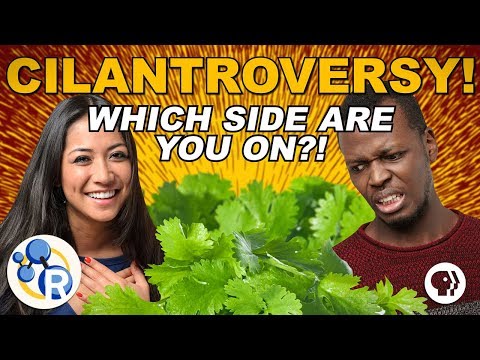
Vivian Chen posted on 2019/03/12Ever wondered why cilantro tastes like soap to some people? This video dives into the fascinating science behind cilantro aversion, exploring the genetics and specific gene variants like OR6A2 that cause this soapy taste. You'll pick up some advanced vocabulary related to food science and olfaction while learning why this herb is so divisive!
Learn this video on the APP!
The VoiceTube App has more in-depth practice for videos!