
blame
US /blem/
UK /bleɪm/
- Transitive Verb
- To say someone is responsible for something bad
- Noun (Countable/Uncountable)
- Act of saying someone did something bad
A2TOEICMorecapture
US /ˈkæptʃɚ/
UK /'kæptʃə(r)/
- Transitive Verb
- To attract and hold e.g. interest, attention
- To record, tape, or film something
- Noun
- The act of seizing or taking control of something.
B1Moreclaim
US /klem/
UK /kleɪm/
- Noun (Countable/Uncountable)
- To say that something is true, often without proof.
- A statement that something is true.
- Transitive Verb
- To demand or ask for something that you believe is rightfully yours.
- To take or cause the loss of (e.g., a life, property).
A2Moreconflict
US /ˈkɑnˌflɪkt/
UK /'kɒnflɪkt/
- Noun (Countable/Uncountable)
- Argument or struggle between two or more parties
- A serious disagreement or argument.
- Verb (Transitive/Intransitive)
- To have opposite ideas; to disagree; To not match
A2Morecontest
US /ˈkɑnˌtɛst/
UK /'kɒntest/
- Noun
- Struggle or competition between rivals
- Verb (Transitive/Intransitive)
- To struggle or compete against other people
- To not accept an official or legal judgment
B1Moredispute
US /dɪˈspjut/
UK /dɪ'spju:t/
- Verb (Transitive/Intransitive)
- To argue with someone about something
- To disagree about who owns or controls something
- Noun (Countable/Uncountable)
- Argument with someone about something
- A question or doubt about something
B1TOEICMoredivide
US /dɪˈvaɪd/
UK /dɪ'vaɪd/
- Verb (Transitive/Intransitive)
- To split numbers by another number, e.g. 6 / 2 = 3
- To separate something into equal pieces
- Noun
- A separation or distinction.
A2TOEICMoreethnic
US /ˈɛθnɪk/
UK /ˈeθnɪk/
- Adjective
- Of people who share the same culture, traditions
- Belonging to a minority group that differs in culture, religion, or origin from the dominant group of a society.
B1Morehindu
US
UK
- Adjective
- Of or relating to or supporting Hinduism
C2Morein principle
US /ɪn ˈprɪnsəpəl/
UK /in ˈprinsəpl/
- Phrase
- In theory; as a general idea, though not yet in practice or detail.
C1Morein the meantime
US /ɪn ði ˈminˌtaɪm/
UK /in ðə ˈmi:ntaim/
- Phrase
- During the time between two events; meanwhile.
A1Morein the middle of
US
UK
- Phrase
- In the central part or point of something.
- Engaged or occupied with something.
A2Morein the world
US /ɪn ði wɜrld/
UK /in ðə wɜː(r)ld/
- Phrase
- Used to emphasize a question expressing surprise, confusion, disbelief
- Used to indicate the extent or degree of something, often in a superlative sense
A1Moreindependent
US /ˌɪndɪˈpɛndənt/
UK /ˌɪndɪˈpendənt/
- Adjective
- Making your own decisions; acting by yourself
- Not connected with or influenced by something else.
- Noun
- A person not connected to a political party
- Someone who is independent, especially in politics or business.
A2TOEICMoreinfluence
US / ˈɪnfluəns/
UK /'ɪnflʊəns/
- Verb (Transitive/Intransitive)
- To affect or change something indirectly
- To persuade someone to do something.
- Noun (Countable/Uncountable)
- The power to affect what happens, to persuade etc.
- A person or thing that affects someone or something in an important way.
A2TOEICMoreinstrument
US /ˈɪnstrəmənt/
UK /'ɪnstrəmənt/
- Noun (Countable/Uncountable)
- Gauge for measuring something, e.g. temperature
- Legal document
A2TOEICMoreintermittent
US /ˌɪntɚˈmɪtnt/
UK /ˌɪntəˈmɪtənt/
- Adjective
- Occurring at irregular times; off and on
B2TOEICMoreinvade
US /ɪnˈved/
UK /ɪnˈveɪd/
- Transitive Verb
- To enter something causing a harmful result
- To enter (a country or region) so as to subjugate or occupy it.
B1Moreinvolve
US /ɪnˈvɑlv/
UK /ɪn'vɒlv/
- Transitive Verb
- To have or be included as a part of something
- To cause (a person or group) to take part in an event or activity.
A2TOEICMoremajority
US /məˈdʒɔrɪti, -ˈdʒɑr-/
UK /mə'dʒɒrətɪ/
- Noun (Countable/Uncountable)
- Amount that is more than half of a group
- The age at which a person is legally considered an adult.
B1TOEICMoremigrate
US /ˈmaɪgreɪt/
UK /maɪˈgreɪt/
- Intransitive Verb
- To move from one country or place to live or work
B1Moremilitary
US /ˈmɪlɪˌtɛri/
UK /'mɪlətrɪ/
- Noun
- Army or armed forces
- Adjective
- Concerning the army or navy
B1Moremuslim
US /ˈmʌzləm, ˈmʊz-, ˈmʌs-, ˈmʊs-/
UK /ˈmʊzlɪm/
- Adjective
- Of or relating to Islam
C2Moreover to
US
UK
- Preposition
- Used to hand over to someone else to speak
- The responsibility is now yours
partition
US /pɑrˈtɪʃən/
UK /pɑ:'tɪʃn/
- Noun
- A wall, screen, etc. used to separate areas
- Transitive Verb
- To separate areas by adding borders, walls etc.
B2Morepreviously
US /ˈprivɪəslɪ/
UK /'pri:vɪəslɪ/
- Adverb
- At an earlier time
- In the past; formerly.
B1TOEICMoreprinciple
US /ˈprɪnsəpəl/
UK /ˈprɪnsəpl/
- Noun (Countable/Uncountable)
- Moral rule or belief governing a person's behavior
- Natural law that explains how things work
A2TOEICMorereach
US /ritʃ/
UK /ri:tʃ/
- Verb (Transitive/Intransitive)
- To come to or arrive at a goal or destination
- To be long enough to get to a certain place
- Uncountable Noun
- Power or control someone has over something
A2TOEICMorerecognize
US /ˈrek.əɡ.naɪz/
UK /ˈrek.əɡ.naɪz/
- Transitive Verb
- To accept the truth or reality of something
- To consider something as important or special
A2TOEICMorereferendum
US /ˌrɛfəˈrɛndəm/
UK /ˌrefəˈrendəm/
- Noun
- Public vote on an issue
B2Moreregion
US /ˈridʒən/
UK /'ri:dʒən/
- Noun (Countable/Uncountable)
- Part of a country, of the world, area, etc.
- A part of the body
A2TOEICMorereligious
US /rɪˈlɪdʒəs/
UK /rɪˈlɪdʒəs/
- Adjective
- Following the rules and beliefs of a faith
- Relating to or manifesting faithful devotion to an acknowledged ultimate reality or deity.
B1Morerevolution
US /ˌrɛvəˈluʃən/
UK /ˌrevə'lu:ʃn/
- Noun
- When a group overthrows an existing government
- Sudden or significant change in something
B1Moresecurity
US /sɪˈkjʊrɪti/sə'kjurətɪ/
UK /sɪ'kjʊərətɪ/
- Noun
- Department in a company in charge of protection
- Financial document, like stocks, bonds and notes
A2TOEICMoresever
US /ˈsɛvɚ/
UK /'sevə(r)/
- Transitive Verb
- To cut off
B2TOEICMoresoil
US /sɔɪl/
UK /sɔɪl/
- Uncountable Noun
- Conditions in which something develops
- Mix of natural material in which plants grow
- Transitive Verb
- To get or become dirty
B1Morespark
US /spɑrk/
UK /spɑ:k/
- Countable Noun
- Small piece of burning material produced by fire
- Tiny, brief bit of light caused by electric energy
- Intransitive Verb
- To make tiny, brief bits of light
B1Moresplit
US /splɪt/
UK /splɪt/
- Adjective
- No longer married or in a relationship
- (Injured) by cutting it open, as in someone's lip
- Verb (Transitive/Intransitive)
- To become divided or broken along a straight line
- To cause a cut in (lip, etc.)
A2Moresquare off
US /skwɛr ɔf/
UK /skwɛə ɔf/
- Phrasal Verb
- To take a fighting stance or prepare to fight, often in boxing or martial arts.
- To confront or prepare to confront someone in a dispute or disagreement.
A2Morestatus
US /ˈstetəs, ˈstætəs/
UK /'steɪtəs/
- Uncountable Noun
- Position or rank relative to others in a society
- Legal position of a person or thing
A2TOEICMoresuicide
US /ˈsuɪˌsaɪd/
UK /'su:ɪsaɪd/
- Noun
- Act of purposely killing yourself
- Act that ruins a person's career, status etc.
B2Moretat
US /tæt/
UK /tæt/
- Uncountable Noun
- Lacework made by knotting or looping
- Transitive Verb
- To tattoo someone.
- To make (a piece of) tatting.
B2Moretit for tat
US
UK
- Noun
- An equivalent given in return; retaliation.
- Adjective
- Characterized by retaliation or reciprocal actions.
trigger
US /ˈtrɪɡɚ/
UK /'trɪɡə(r)/
- Noun
- Lever on a gun that you pull to fire
- Device that starts a process
- Transitive Verb
- To start a process off e.g. a memory
- To cause something to begin or happen.
B1Moreviolence
US /ˈvaɪələns/
UK /ˈvaɪələns/
- Uncountable Noun
- Strong physical force of nature
- Use of physical force to harm someone
B1More
Vocabulary
- in the world: Used to emphasize a question expressing surprise, confusion, disbelief
- in the middle of: In the central part or point of something.
- over to: Used to hand over to someone else to speak
- in the meantime: During the time between two events; meanwhile.
- in principle: In theory; as a general idea, though not yet in practice or detail.
- square off: To take a fighting stance or prepare to fight, often in boxing or martial arts.
- tit for tat: An equivalent given in return; retaliation.
- recognize: To accept the truth or reality of something
- trigger: Lever on a gun that you pull to fire
- majority: Amount that is more than half of a group
- conflict: Argument or struggle between two or more parties
- force: Group of persons trained for military action; army
- split: No longer married or in a relationship
- claim: To say that something is true, often without proof.
- influence: To affect or change something indirectly
- blame: To say someone is responsible for something bad
- instrument: Gauge for measuring something, e.g. temperature
- status: Position or rank relative to others in a society
- divide: To split numbers by another number, e.g. 6 / 2 = 3
- military: Army or armed forces
- state: Region within a country, with its own government
- reach: To come to or arrive at a goal or destination
- region: Part of a country, of the world, area, etc.
- involve: To have or be included as a part of something
- principle: Moral rule or belief governing a person's behavior
- security: Department in a company in charge of protection
- religious: Following the rules and beliefs of a faith
- independent: Making your own decisions; acting by yourself
- spark: Small piece of burning material produced by fire
- dispute: To argue with someone about something
- ethnic: Of people who share the same culture, traditions
- capture: To attract and hold e.g. interest, attention
- break: To create a new record e.g. running the 100m dash
- revolution: When a group overthrows an existing government
- soil: Conditions in which something develops
- violence: Strong physical force of nature
- suicide: Act of purposely killing yourself
- previously: At an earlier time
- sign: Indication that something exists or will happen
- invade: To enter something causing a harmful result
- control: A device designed to operate a machine
- prefer: To like something better than something else
- referendum: Public vote on an issue
- continue: To do something without stopping, or after pausing
- contest: Struggle or competition between rivals
- migrate: To move from one country or place to live or work
- last: Final; with nothing following; after all others
- legal: Concerning the law; allowed by law
- intermittent: Occurring at irregular times; off and on
- part: Division of a book
- start: First time or place that a thing exists; beginning
- international: Of or relating to several countries
- arm: To activate a weapon or bomb for use
- tit: Slang name for a woman's breast
- line: Border that divides two places or regions
- muslim: Of or relating to Islam
- partition: A wall, screen, etc. used to separate areas
- sever: To cut off
- hindu: Of or relating to or supporting Hinduism
- tat: Lacework made by knotting or looping
Get the full experience in the app
Learn anywhere with detailed sentence and usage analysis
01:03
She took a brave step forward, leaving behind her comfort zone to chase her dreams.
Vocabulary
- brave
adj. Having courage
- comfort zone
phr. A familiar situation where one feels safe
Explanation
a brave step is a noun phrase, where brave is an adjective modifying the noun step, meaning "a courageous step".
forward is an adverb modifying step, meaning "ahead".
The whole phrase serves as the object, answering the "what" of took (verb) — she took a brave step forward.
Get the full experience in the app
Look up words anytime with pronunciation, part of speech, and usage
brave
US/brev/
UK/breɪv/
adj.Brave
v.t.To bravely face
A2 Elementary
Get the full experience in the app
Practice speaking anytime and get instant pronunciation feedback
Try this speaking exercise.
Try practicing with this sentence.
80
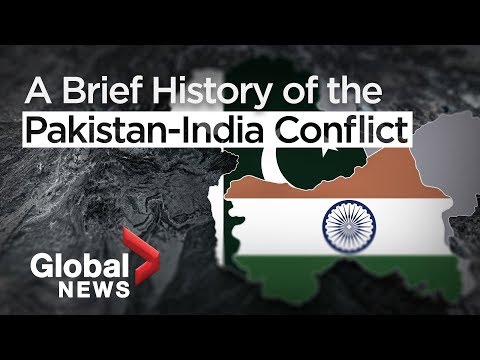
Pakistan-India conflict: Why Kashmir is the centre of the dispute
0
April Lu posted on 2019/04/21Ever wondered about the Kashmir conflict? This video dives deep into the historical roots of the dispute, from the 1947 Partition to the current Line of Control, giving you a clear understanding of this complex geopolitical issue. You'll also pick up some advanced vocabulary and gain valuable cultural insights along the way!
Learn this video on the APP!
The VoiceTube App has more in-depth practice for videos!