
accumulation
US /əˌkjumjəˈleʃən/
UK /əˌkju:mjə'leɪʃn/
- Uncountable Noun
- Act of becoming bigger or more over time
- A collection of things that have been gathered over time.
B1Moreaffect
US /əˈfɛkt/
UK /ə'fekt/
- Transitive Verb
- To cause a change in something else
- To pretend to have or feel (something).
- Noun
- (Psychology) Emotion or feeling.
A2TOEICMorealcohol
US /ˈælkəˌhɔl,-ˌhɑl/
UK /'ælkəhɒl/
- Uncountable Noun
- A colorless liquid that can catch fire (C2H5OH)
- Drinks such as wine, whiskey, beer
B1Morealuminum
US /ə'lju:minəm/
UK /ə'lju:minəm/
- Uncountable Noun
- Very light silvery-white metal used to make cans
B2Moreanti
US /ˈæntaɪ, -ti/
UK /'æntɪ/
- Adjective
- A prefix meaning 'against' or 'opposed'
B2Moreat least
US /æt list/
UK /æt li:st/
- Adverb
- As a minimum
- Not less than
- Phrase
- No less than; at the minimum
- Used to indicate that something is positive in a bad situation.
C2Moreat night
US /æt naɪt/
UK /æt nait/
- Phrase
- During the night; in the nighttime.
A1Morebacteria
US /bækˈtɪriə/
UK /bæk'tɪərɪə/
- Noun (plural)
- The very small creatures that can cause disease
B2Morebleach
US /blitʃ/
UK /bli:tʃ/
- Uncountable Noun
- Chemical that disinfects and whitens
- Transitive Verb
- To use a chemical that disinfects and whitens
- To make (e.g. hair) lighter in color; lighten
B2Morecancer
US /ˈkænsɚ/
UK /'kænsə(r)/
- Noun
- Any growth caused by abnormal cell division
B1Morechronic
US /ˈkrɑnɪk/
UK /'krɒnɪk/
- Adjective
- Always or often doing something, e.g. lying
- (Of disease) over a long time; serious
B1Morecontent
US /ˈkɑnˌtɛnt/
UK /'kɒntent/
- Adjective
- Being happy or satisfied
- In a state of peaceful happiness.
- Noun (Countable/Uncountable)
- Information in something, e.g. book or computer
- The subject matter of a book, speech, etc.
A2Moredecrease
US /dɪˈkris/
UK /dɪˈkri:s/
- Verb (Transitive/Intransitive)
- To reduce the size, amount or number of something
- Uncountable Noun
- Amount by which something has been reduced
B1TOEICMoredeodorant
US /diˈodərənt/
UK /dɪ'əʊdərənt/
- Noun (Countable/Uncountable)
- Substance applied to the skin to hide body smells
- A preparation for application to the body to prevent or mask unpleasant odors caused by perspiration.
C1Morediabetes
US /ˌdaɪəˈbitɪs, -tiz/
UK /ˌdaɪəˈbi:ti:z/
- Noun (Countable/Uncountable)
- Illness where there is too much sugar in the blood
- A form of diabetes, usually diagnosed in children and young adults, in which the body does not produce insulin.
B2Morediet
US /ˈdaɪɪt/
UK /'daɪət/
- Intransitive Verb
- To eat special or less food, as to lose weight
- Noun (Countable/Uncountable)
- Plan of eating to reduce weight or improve health
- The usual food and drink consumed by an organism (person or animal)
A2TOEICMoredisease
US /dɪˈziz/
UK /dɪˈzi:z/
- Noun (Countable/Uncountable)
- Illness that affects a person, animal, or plant
- A disorder of structure or function in a plant, especially one caused by a pathogen.
- Transitive Verb
- To affect with disease; to corrupt or sicken.
A2TOEICMorefake
US /fek/
UK /feɪk/
- Adjective
- Not real; made to look like something real
- Countable Noun
- A copy of something made to trick people
B1Morefor best
US /fɚ best/
UK /fə best/
- other
- An expression meaning ‘it is better to’ or ‘to do something for the best outcome’.
B2Morefor example
US
UK
- Phrase
- As an illustration or instance.
for instance
US /fɔr ˈɪnstəns/
UK /fɔ: ˈinstəns/
- Adverb
- As an example.
- Phrase
- As an example.
- As an illustration or case in point
B1Moregarlic
US /ˈɡɑrlɪk/
UK /'ɡɑ:lɪk/
- Noun (Countable/Uncountable)
- Strong-smelling white bulb used in cooking
B2Moregender
US /ˈdʒɛndɚ/
UK /'dʒendə(r)/
- Noun
- State of being male or female
- The socially constructed roles, behaviours, expressions and identities of people.
- Transitive Verb
- To assign a gender to; to consider something in terms of gender.
B1Moreget back to
US /ɡɛt bæk tu/
UK /ɡet bæk tu:/
- Phrasal Verb
- To get in contact with someone again
- To return to someone or something; to respond at a later time.
A1Moreimpact
US /ˈɪmˌpækt/
UK /'ɪmpækt/
- Noun
- A striking effect or result to hit with force
- Act or force of one thing hitting something else
- Verb (Transitive/Intransitive)
- To hit or strike someone or something with force
- To have a strong effect on someone or something.
A2TOEICMorein fact
US /ɪn fækt/
UK /in fækt/
- Adverb
- Used to emphasize the truth of a statement, especially one that contrasts with or contradicts something else.
- Used to introduce a more detailed or surprising piece of information.
- Phrase
- Used to emphasize the truth of a statement, especially one that is surprising or contrary to what might be expected.
C1Moreinaccurate
US /ɪnˈækjərɪt/
UK /ɪnˈækjərət/
- Adjective
- Not correct, accurate, or true
B1Moreinstance
US /ˈɪnstəns/
UK /'ɪnstəns/
- Noun (Countable/Uncountable)
- An example of something; case
- An occurrence of something.
- Transitive Verb
- To give as an example of something else
A2TOEICMorekidney
US /ˈkɪdni/
UK /'kɪdnɪ/
- Noun (Countable/Uncountable)
- Body organ that cleans blood, producing urine
- An animal kidney used as food.
- Adjective
- Relating to the kidneys.
- Having the shape of a kidney; bean-shaped.
B2Morelead to
US /lid tu/
UK /li:d tu:/
- Phrasal Verb
- To result in some action
- Verb (Transitive/Intransitive)
- To have something as a consequence or result.
A1Moreliver
US /ˈlɪvɚ/
UK /ˈlɪvə(r)/
- Noun (Countable/Uncountable)
- Organ from animals served as food
- Organ that absorbs food and cleans the blood
B1Moremajority
US /məˈdʒɔrɪti, -ˈdʒɑr-/
UK /mə'dʒɒrətɪ/
- Noun (Countable/Uncountable)
- Amount that is more than half of a group
- The age at which a person is legally considered an adult.
B1TOEICMoremention
US /ˈmɛnʃən/
UK /'menʃn/
- Transitive Verb
- To refer to or talk or write about something
- Uncountable Noun
- Act of referring to or talking about something
- A formal acknowledgement of something
A2TOEICMorenegatively
US /ˈnɛɡətɪvlɪ/
UK /'neɡətɪvlɪ/
- Adverb
- In a harmful, unwanted or unhelpful manner
B1Moreodor
US /'oʊdə/
UK /'əʊdə/
- Noun
- A certain smell, often strong or distinct
- A distinctive smell, especially an unpleasant one.
- Noun (Countable/Uncountable)
- A certain smell, often strong or distinct
B1TOEICMoreof course
US /ʌv kɔː(r)s/
UK /ɔv kɔː(r)s/
- Adverb
- Sure ; Certainly
- Phrase
- For sure; certainly
A2Moreoverweight
US /ˌovɚˈwet/
UK /ˌəʊvə'weɪt/
- Adjective
- Weighing more than a normal or allowed amount
- Transitive Verb
- To give too much importance or weight to something.
B2Moreplenty
US /ˈplɛnti/
UK /'plentɪ/
- Pronoun
- When there is not too little of something; a lot
- Uncountable Noun
- A large or sufficient amount or quantity; abundance.
- A lot of something
A2Morepositive
US /ˈpɑzɪtɪv/
UK /ˈpɒzətɪv/
- Adjective
- Showing agreement or support for something
- Being sure about something; knowing the truth
- Noun
- A photograph in which light areas are light and dark areas are dark
A2Morepotentially
US /pəˈtɛnʃəlɪ/
UK /pə'tenʃəlɪ/
- Adverb
- That could happen or become reality
B1Moreprevent
US /prɪˈvɛnt/
UK /prɪ'vent/
- Transitive Verb
- To stop something from happening or existing
A2TOEICMorerecommend
US /ˌrɛkəˈmɛnd/
UK /ˌrekə'mend/
- Transitive Verb
- To advise or suggest that someone do something
- To endorse or support something publicly.
A2TOEICMoreregularly
US /ˈregjələrli/
UK /ˈregjələli/
- Adverb
- At the usual time each day, week, or month
- In a normal or customary way.
B1TOEICMoreresearch
US /rɪˈsɚtʃ, ˈriˌsɚtʃ/
UK /rɪ'sɜ:tʃ/
- Verb (Transitive/Intransitive)
- To study in order to discover new ideas and facts
- To study the market relating to marketing products and services.
- Noun (Countable/Uncountable)
- Study done to discover new ideas and facts
- A particular area or topic of study.
A2TOEICMorerole
US /rol/
UK /rəʊl/
- Noun
- Character played by an actor
- Part you play in an activity; job; responsibility
A2Morescientifically
US /ˌsaɪən'tɪfɪklɪ/
UK /ˌsaɪən'tɪfɪklɪ/
- Adverb
- In an manner that follows the rules of science
B1Moresociety
US /səˈsaɪɪti/
UK /sə'saɪətɪ/
- Noun (Countable/Uncountable)
- A group who meet to share values or interests
- Group of people living together
A2TOEICMorestink
US /stɪŋk/
UK /stɪŋk/
- Intransitive Verb
- To smell terrible
B2Moresweat
US /swɛt/
UK /swet/
- Verb (Transitive/Intransitive)
- To do an amount of hard work
- To be worried or anxious about something
- Noun (Countable/Uncountable)
- An amount of hard work
A2Morewanna
US /ˈwɑnə/
UK /'wɒnə/
- Verb (Transitive/Intransitive)
- Shortened form of 'want to'. Used only in speaking
B2Morezirconium
US /zɚˈkoniəm/
UK /zɜ:ˈkəʊniəm/
- Uncountable Noun
- White crystalline oxide; used in insulation
C2More
Vocabulary
- in fact: Used to emphasize the truth of a statement, especially one that contrasts with or contradicts something else.
- for example: As an illustration or instance.
- for instance: As an example.
- of course: Sure ; Certainly
- at least: As a minimum
- for best: An expression meaning ‘it is better to’ or ‘to do something for the best outcome’.
- at night: During the night; in the nighttime.
- lead to: To result in some action
- get back to: To get in contact with someone again
- chronic: Always or often doing something, e.g. lying
- content: Being happy or satisfied
- majority: Amount that is more than half of a group
- recommend: To advise or suggest that someone do something
- diabetes: Illness where there is too much sugar in the blood
- improve: To make, or become, something better
- potentially: That could happen or become reality
- positive: Showing agreement or support for something
- impact: A striking effect or result to hit with force
- instance: An example of something; case
- plenty: When there is not too little of something; a lot
- bacteria: The very small creatures that can cause disease
- disease: Illness that affects a person, animal, or plant
- fear: Unpleasant feeling caused by being aware of danger
- research: To study in order to discover new ideas and facts
- prevent: To stop something from happening or existing
- affect: To cause a change in something else
- mention: To refer to or talk or write about something
- society: A group who meet to share values or interests
- odor: A certain smell, often strong or distinct
- effect: An advantage, benefit
- sweat: To do an amount of hard work
- gender: State of being male or female
- alcohol: A colorless liquid that can catch fire (C2H5OH)
- lead: Wire for electricity, computer, etc.; cable
- kidney: Body organ that cleans blood, producing urine
- diet: To eat special or less food, as to lose weight
- role: Character played by an actor
- stink: To smell terrible
- wanna: Shortened form of 'want to'. Used only in speaking
- fake: Not real; made to look like something real
- deodorant: Substance applied to the skin to hide body smells
- regularly: At the usual time each day, week, or month
- decrease: To reduce the size, amount or number of something
- garlic: Strong-smelling white bulb used in cooking
- fact: Something that is known or proved to be true
- prefer: To like something better than something else
- bleach: Chemical that disinfects and whitens
- liver: Organ from animals served as food
- point: An item to be discussed
- aluminum: Very light silvery-white metal used to make cans
- change: To exchange one set of clothes for another
- include: To make someone, something part of a group
- scientifically: In an manner that follows the rules of science
- healthy: In good condition physically, or financially; well
- type: Printed letters or blocks used for printing them
- think: To have an idea about something without certainty
- accumulation: Act of becoming bigger or more over time
- negatively: In a harmful, unwanted or unhelpful manner
- nature: Person's character or particular way of behaving
- life: All the living things e.g. animals, plants, humans
- inaccurate: Not correct, accurate, or true
- fight: To argue or quarrel with someone about something
- cancer: Any growth caused by abnormal cell division
- anti: A prefix meaning 'against' or 'opposed'
- overweight: Weighing more than a normal or allowed amount
- zirconium: White crystalline oxide; used in insulation
Get the full experience in the app
Learn anywhere with detailed sentence and usage analysis
01:03
She took a brave step forward, leaving behind her comfort zone to chase her dreams.
Vocabulary
- brave
adj. Having courage
- comfort zone
phr. A familiar situation where one feels safe
Explanation
a brave step is a noun phrase, where brave is an adjective modifying the noun step, meaning "a courageous step".
forward is an adverb modifying step, meaning "ahead".
The whole phrase serves as the object, answering the "what" of took (verb) — she took a brave step forward.
Get the full experience in the app
Look up words anytime with pronunciation, part of speech, and usage
brave
US/brev/
UK/breɪv/
adj.Brave
v.t.To bravely face
A2 Elementary
Get the full experience in the app
Practice speaking anytime and get instant pronunciation feedback
Try this speaking exercise.
Try practicing with this sentence.
80
0
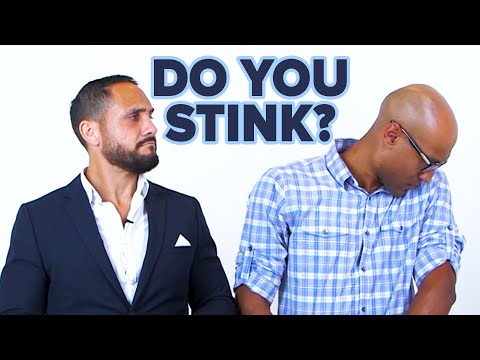
Joyce Chiou posted on 2019/09/05Ever wondered about the best ways to tackle body odor? This video dives into surprising solutions like Botox underarms and practical life hacks, plus it busts some common myths! You'll pick up advanced vocabulary and learn practical tips that are useful every single day.
Learn this video on the APP!
The VoiceTube App has more in-depth practice for videos!