
accelerate
US /ækˈsɛləˌret/
UK /əkˈseləreɪt/
- Transitive Verb
- To cause to occur earlier than expected
- To increase the speed or rate of something
B1TOEICMorealgae
US /ˈældʒi/
UK /ˈældʒi:/
- Noun (Countable/Uncountable)
- Green organisms that live in still water
B2Moreas well as
US /æz wɛl æz/
UK /æz wel æz/
- Adverb
- Also; in addition to
- Preposition
- In addition to; and also.
A1Moreat risk
US
UK
- Phrase
- In danger; likely to be harmed
ballpark
US /ˈbɔlˌpɑrk/
UK /ˈbɔ:lpɑ:k/
- Noun
- Facility in which ball games are played
- Adjective
- Approximate; a rough estimate.
C2Morebarrier
US /ˈbæriɚ/
UK /'bærɪə(r)/
- Noun
- Difficult situation preventing something happening
- Structure or object that stops free movement
B1TOEICMorebleach
US /blitʃ/
UK /bli:tʃ/
- Uncountable Noun
- Chemical that disinfects and whitens
- Transitive Verb
- To use a chemical that disinfects and whitens
- To make (e.g. hair) lighter in color; lighten
B2Morebreakthrough
US /ˈbrekˌθru/
UK /'breɪkθru:/
- Countable Noun
- Important discovery in doing something difficult
B2TOEICMorebuffer
US /ˈbʌfɚ/
UK /ˈbʌfə(r)/
- Noun (Countable/Uncountable)
- Data in computer memory allowing fast access
- Protection to prevent things mixing
- Transitive Verb
- To store data in special memory for fast access
- To protect a thing by separating it from
B2Moreclimate
US /ˈklaɪmɪt/
UK /ˈklaɪmət/
- Noun (Countable/Uncountable)
- Typical weather conditions in a particular place
- The general attitudes, feelings, or opinions that people have at a particular time.
A2Moreconsequence
US /ˈkɑnsɪˌkwɛns,-kwəns/
UK /ˈkɔnsikwəns/
- Noun (Countable/Uncountable)
- Importance of a person or thing
- Outcome of an event; result
A2Morecoral
US /ˈkɑrəl/
UK /'kɒrəl/
- Adjective
- Color that is a combination of pink and orange
- Noun
- Marine substance made from bones of sea creatures
B2Moreculprit
US /ˈkʌlprɪt/
UK /ˈkʌlprɪt/
- Countable Noun
- Person who has done something wrong or illegal
- Noun
- a cause or reason for the problem
B2Morecumulative
US /ˈkju:mjəleɪtɪv/
UK /ˈkju:mjələtɪv/
- Adjective
- Getting larger slowly through more additions
B2Moredamage
US /ˈdæmɪdʒ/
UK /ˈdæmɪdʒ/
- Noun (Countable/Uncountable)
- Physical harm that is done to something
- Transitive Verb
- To harm physically; to hurt or break something
- To harm the reputation of someone.
A2TOEICMoredecline
US /dɪˈklaɪn/
UK /dɪ'klaɪn/
- Intransitive Verb
- To bend towards the ground
- To slope downward.
- Verb (Transitive/Intransitive)
- To lessen in quality or value
A2TOEICMoredepend
US /dɪˈpend/
UK /dɪˈpend/
- Verb (Transitive/Intransitive)
- Be controlled or determined by (someone/something)
- To rely on someone or something for support, help, or existence.
B1TOEICMoredevastate
US /ˈdɛvəˌstet/
UK /'devəsteɪt/
- Transitive Verb
- To cause extensive destruction or ruin utterly
- To cause (someone) to feel extreme emotional pain.
B1Moredrastic
US /ˈdræstɪk/
UK /ˈdræstɪk/
- Adjective
- Serious, severe or extreme
B2TOEICMoreecosystem
US /ˈɛkoˌsɪstəm, ˈiko-/
UK /ˈi:kəʊsɪstəm/
- Noun (Countable/Uncountable)
- Types of plants and animals in an specific area
- A network of interconnected companies, technologies, and services that interact to create value.
B1Moreexpel
US /ɪkˈspɛl/
UK /ɪk'spel/
- Transitive Verb
- To force a person to leave a place or organization
- To release or push something (e.g. air) out
B2TOEICMoreextinction
US /ɪkˈstɪŋkʃən/
UK /ɪkˈstɪŋkʃn/
- Noun (Countable/Uncountable)
- When every example of animal, plant is dead
- The process of something ceasing to exist or be active.
B1Morefor the world
US /fɚ ðə wɝld/
UK /fə ðə wɜ:ld/
- other
- Used to emphasize something would never happen.
B2Morefrequent
US /ˈfrikwənt/
UK /ˈfri:kwənt/
- Adjective
- Happening often
- Transitive Verb
- To go to a place regularly
A2TOEICMoreget here
US
UK
- Intransitive Verb
- To arrive at a specific location.
A1Morego beyond
US /ɡo biˈɑnd/
UK /ɡəu biˈjɔnd/
- Phrasal Verb
- To do more than planned or expected; exceed
A1Morego out
US /ɡo aʊt/
UK /ɡəu aut/
- Phrase
- To leave a building (e.g. a house)
- Phrasal Verb
- (Of a fire) to burn out; be extinguished
- Go out of fashion to stop being fashionable
A1Morehabitat
US /ˈhæbɪˌtæt/
UK /'hæbɪtæt/
- Noun (Countable/Uncountable)
- Natural place where a plant or animal lives
B1Morehalt
US /hɔlt/
UK /hɔ:lt/
- Verb (Transitive/Intransitive)
- To stop, or cause something, e.g. a car, to stop
- Noun
- A temporary or final stop.
B1TOEICMorehave to
US /hæv tu/
UK /ˈhæv tə/
- Auxiliary Verb
- Must do
A1Morehit with
US
UK
- Phrasal Verb
- To strike someone or something using an object.
- To suddenly realize or understand something.
A1Morein concert
US /ɪn ˈkɑnˌsɚt/
UK /in ˈkɔnsət/
- Adverb
- Together in cooperation or agreement.
- Phrase
- Performing a live musical performance.
A2Morein fact
US /ɪn fækt/
UK /in fækt/
- Adverb
- Used to emphasize the truth of a statement, especially one that contrasts with or contradicts something else.
- Used to introduce a more detailed or surprising piece of information.
- Phrase
- Used to emphasize the truth of a statement, especially one that is surprising or contrary to what might be expected.
C1Morein the world
US /ɪn ði wɜrld/
UK /in ðə wɜː(r)ld/
- Phrase
- Used to emphasize a question expressing surprise, confusion, disbelief
- Used to indicate the extent or degree of something, often in a superlative sense
A1Moreincreasingly
US /ɪnˈkriːsɪŋli/
UK /ɪnˈkri:sɪŋli/
- Adverb
- More and more; in greater degree or amount
A2Moreintervention
US /ˌɪntə'venʃn/
UK /ˌɪntə'venʃn/
- Noun (Countable/Uncountable)
- Getting involved to solve a disagreement, problem
- The use of military force by a country in another country's internal affairs.
B1Morelive for
US /liv fɔr/
UK /liv fɔ:/
- Phrasal Verb
- To consider something the most important thing in your life; to find purpose or great pleasure in something.
A1Moremarine
US /məˈrin/
UK /mə'ri:n/
- Countable Noun
- Soldier trained to serve on land and sea
- Adjective
- Of the ocean or ocean plants and animals
- Concerning sailing or doing business by sea
B1Moremass
US /mæs/
UK /mæs/
- Noun (Countable/Uncountable)
- Religious ceremony in some Christian churches
- Large amount or number of something
- Transitive Verb
- To gather people or things into a large group
B1Moreoccur
US /əˈkɚ/
UK /əˈkɜ:(r)/
- Intransitive Verb
- To come to pass or to happen
- To be found to exist; to be present.
A2TOEICMoreout there
US /aʊt ðɛr/
UK /aut ðɛə/
- Adverb
- In or to a place that is far away
- Existing in the universe
- Adjective
- Unconventional; strange; avant-garde
- Existing or available.
A1Moreprevent
US /prɪˈvɛnt/
UK /prɪ'vent/
- Transitive Verb
- To stop something from happening or existing
A2TOEICMorerapidly
US /ˈræpɪdlɪ/
UK /'ræpɪdlɪ/
- Adverb
- With great speed; quickly
B1TOEICMorereef
US /rif/
UK /ri:f/
- Noun (Countable/Uncountable)
- Line of rocks or sand at the surface of the ocean
- Rolling up sail to make it smaller in strong winds
- Transitive Verb
- To roll up sail to make it smaller in strong winds
B2Moreresource
US /ˈriˌsɔrs, -ˌsors, -ˌzɔrs, -ˌzors, rɪˈsɔrs, -ˈsors,/
UK /riˈsɔ:s/
- Noun (Countable/Uncountable)
- Something that can be used profitably; asset
- An essential supply of something
- Transitive Verb
- To obtain (e.g. oil, gas) from its source
- To provide (a person or organization) with materials, money, staff, or other assets necessary for effective operation.
A2TOEICMorereverse
US /rɪˈvɚs/
UK /rɪ'vɜ:s/
- Noun
- Setting that makes the vehicle go backward
- Instance of a significant change, for the worse
- Verb (Transitive/Intransitive)
- To drive a vehicle backward
- To change to an opposite state, way or condition
B1TOEICMorerunoff
US /ˈrʌnˌɔf, -ˌɑf/
UK /'rʌnˌɔ:f/
- Noun
- A second election to find a winner
C2Moresevere
US /səˈvɪr/
UK /sɪ'vɪə(r)/
- Adjective
- Very bad; harsh
- (Of clothes, etc.) plain; simple; not decorated
A2TOEICMoreskeletal
US /ˈskɛlɪtl/
UK /ˈskelətl/
- Adjective
- Of the bones of the body
- So thin that you see bones through the skin
C1Moresolve
US /sɑ:lv/
UK /sɒlv/
- Transitive Verb
- To figure out a way to handle a difficult problem
A2TOEICMorestressful
US /ˈstrɛsfəl/
UK /ˈstresfl/
- Adjective
- Worrying; causing tension
A2Morestructure
US /ˈstrʌk.tʃɚ/
UK /ˈstrʌk.tʃə/
- Noun (Countable/Uncountable)
- The way in which the parts of a system or object are arranged or organized, or a system arranged in this way
- A building or other man-made object.
- Transitive Verb
- To plan, organize, or arrange the parts of something
A2TOEICMoresuch as
US /sʌtʃ æz/
UK /sʌtʃ æz/
- Preposition
- For example; like
A1Moresuffer
US / ˈsʌfɚ/
UK /'sʌfə(r)/
- Verb (Transitive/Intransitive)
- To experience pain, illness, or injury
- To allow or permit something, especially something unpleasant.
A2Moresustain
US /səˈsten/
UK /sə'steɪn/
- Transitive Verb
- To lengthen or continue to do something
- To support or maintain someone or something
B2TOEICMoresymbiotic
US /ˌsɪmbaɪ'ɒtɪk/
UK /ˌsɪmbaɪ'ɒtɪk/
- Adjective
- In an interdependent relationship
C2Moreto death
US /tu dɛθ/
UK /tu: deθ/
- Phrase
- Extremely; to a great degree
- Until death
B1Moreunderwater
US /ˈʌndɚˌwɔtɚ, -ˌwɑtɚ/
UK /ˌʌndəˈwɔ:tə(r)/
- Adjective
- (Moving or existing) beneath the surface of water
C2Moreunprecedented
US /ʌnˈprɛsɪˌdɛntɪd/
UK /ʌnˈpresɪdentɪd/
- Adjective
- Not having happened before, or to such a degree
B1Moreused to
US /juzd tu/
UK /ˈju:st tə/
- Adjective
- Did regularly before, but don't do now
- Auxiliary Verb
- Have done before, but do not do now
A1Morewipe
US /waɪp/
UK /waɪp/
- Transitive Verb
- To clean or dry something with a cloth
- To spread a liquid on something
- Noun
- Act to clean or dry something with a cloth
A2Morewithstand
US /wɪθˈstænd, wɪð-/
UK /wɪðˈstænd/
- Verb (Transitive/Intransitive)
- To remain unaffected by something or someone
B1TOEICMore
Vocabulary
- in fact: Used to emphasize the truth of a statement, especially one that contrasts with or contradicts something else.
- get here: To arrive at a specific location.
- as well as: Also; in addition to
- to death: Extremely; to a great degree
- go out: To leave a building (e.g. a house)
- out there: In or to a place that is far away
- hit with: To strike someone or something using an object.
- live for: To consider something the most important thing in your life; to find purpose or great pleasure in something.
- have to: Must do
- at risk: In danger; likely to be harmed
- go beyond: To do more than planned or expected; exceed
- such as: For example; like
- in concert: Together in cooperation or agreement.
- in the world: Used to emphasize a question expressing surprise, confusion, disbelief
- used to: Did regularly before, but don't do now
- for the world: Used to emphasize something would never happen.
- structure: The way in which the parts of a system or object are arranged or organized, or a system arranged in this way
- severe: Very bad; harsh
- completely: In every way or as much as possible
- consequence: Importance of a person or thing
- unprecedented: Not having happened before, or to such a degree
- culprit: Person who has done something wrong or illegal
- barrier: Difficult situation preventing something happening
- climate: Typical weather conditions in a particular place
- decline: To bend towards the ground
- prevent: To stop something from happening or existing
- reverse: Setting that makes the vehicle go backward
- suffer: To experience pain, illness, or injury
- occur: To come to pass or to happen
- sustain: To lengthen or continue to do something
- rapidly: With great speed; quickly
- drastic: Serious, severe or extreme
- intervention: Getting involved to solve a disagreement, problem
- risk: To do something potentially dangerous or foolish
- mass: Religious ceremony in some Christian churches
- provide: To make available; to supply for use
- withstand: To remain unaffected by something or someone
- halt: To stop, or cause something, e.g. a car, to stop
- ecosystem: Types of plants and animals in an specific area
- extinction: When every example of animal, plant is dead
- record: Highest or most extreme level achieved
- accelerate: To cause to occur earlier than expected
- habitat: Natural place where a plant or animal lives
- devastate: To cause extensive destruction or ruin utterly
- normal: Standard or regular way of doing something
- marine: Soldier trained to serve on land and sea
- increasingly: More and more; in greater degree or amount
- depend: Be controlled or determined by (someone/something)
- stressful: Worrying; causing tension
- algae: Green organisms that live in still water
- breakthrough: Important discovery in doing something difficult
- resource: Something that can be used profitably; asset
- solve: To figure out a way to handle a difficult problem
- wipe: To clean or dry something with a cloth
- important: Having power or authority
- manage: To survive hardships and difficulties; to cope
- fact: Something that is known or proved to be true
- hit: To have a negative impact on a person/place/thing
- bleach: Chemical that disinfects and whitens
- damage: Physical harm that is done to something
- frequent: Happening often
- cumulative: Getting larger slowly through more additions
- change: To exchange one set of clothes for another
- expel: To force a person to leave a place or organization
- great: Very good; better than before
- concert: Musical entertainment performed in public
- coral: Color that is a combination of pink and orange
- return: To hit something back to the other player or team
- healthy: In good condition physically, or financially; well
- world: All the humans, events, activities on the earth
- reef: Line of rocks or sand at the surface of the ocean
- buffer: Data in computer memory allowing fast access
- skeletal: Of the bones of the body
- symbiotic: In an interdependent relationship
- runoff: A second election to find a winner
- ballpark: Facility in which ball games are played
- underwater: (Moving or existing) beneath the surface of water
Get the full experience in the app
Learn anywhere with detailed sentence and usage analysis
01:03
She took a brave step forward, leaving behind her comfort zone to chase her dreams.
Vocabulary
- brave
adj. Having courage
- comfort zone
phr. A familiar situation where one feels safe
Explanation
a brave step is a noun phrase, where brave is an adjective modifying the noun step, meaning "a courageous step".
forward is an adverb modifying step, meaning "ahead".
The whole phrase serves as the object, answering the "what" of took (verb) — she took a brave step forward.
Get the full experience in the app
Look up words anytime with pronunciation, part of speech, and usage
brave
US/brev/
UK/breɪv/
adj.Brave
v.t.To bravely face
A2 Elementary
Get the full experience in the app
Practice speaking anytime and get instant pronunciation feedback
Try this speaking exercise.
Try practicing with this sentence.
80
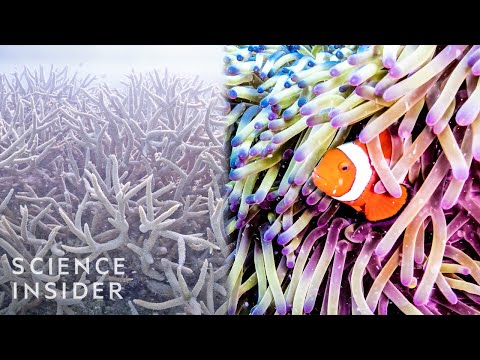
Why The Great Barrier Reef Could Disappear By 2050
0
Nina posted on 2019/12/13Did you know the Great Barrier Reef could vanish by 2050? This video dives deep into coral bleaching and the urgent threat of climate change, giving you tons of advanced vocabulary to understand this critical issue. You'll learn essential terms related to marine heatwaves and conservation efforts, perfect for boosting your environmental English!
Learn this video on the APP!
The VoiceTube App has more in-depth practice for videos!