
ability
US /əˈbɪlɪti/
UK /ə'bɪlətɪ/
- Noun (Countable/Uncountable)
- The power, resources or skill to do something
- A particular skill or talent.
A2TOEICMoreanalysis
US /əˈnælɪsɪs/
UK /əˈnæləsɪs/
- Uncountable Noun
- Careful study to better understand something
B1TOEICMoreancient
US /ˈenʃənt/
UK /'eɪnʃənt/
- Adjective
- Very old; having lived a very long time ago
- Relating to a period in history, especially in the distant past.
- Noun
- A person who lived in ancient times.
A2Moreappearance
US /əˈpɪrəns/
UK /əˈpɪərəns/
- Noun
- The way a person looks to others
- The way that something looks
A2TOEICMoreapproach
US /əˈprəʊtʃ/
UK /ə'prəʊtʃ/
- Verb (Transitive/Intransitive)
- To get close to reaching something or somewhere
- To request someone to do something specific
- Noun (Countable/Uncountable)
- Means of reaching a place, often a road or path
- Request of someone with a specific goal in mind
A2TOEICMorebreed
US /brid/
UK /bri:d/
- Noun
- Kind of / sort of
- Particular kind of animal, e.g. a Labrador dog
- Verb (Transitive/Intransitive)
- To create situations for a (bad) thing to happen
- To produce baby animals of specific kinds
A2Morebuddhist
US /'bʊdɪst/
UK /'bʊdɪst/
- Noun
- Someone who follows the teachings of Buddha
C2Morecancer
US /ˈkænsɚ/
UK /'kænsə(r)/
- Noun
- Any growth caused by abnormal cell division
B1Morecanine
US /ˈkenaɪn/
UK /ˈkeɪnaɪn/
- Countable Noun
- Long, pointed tooth
- a dog
- Adjective
- of or relating to dogs
- Relating to or resembling a dog or dogs.
C1Morecompanion
US /kəmˈpænjən/
UK /kəm'pænɪən/
- Noun
- Someone who keeps you company, goes out with you
- A thing that is often found with another or that serves to augment or complement it.
A2Morecraze
US /krez/
UK /kreɪz/
- Noun
- Popular or widespread fad, fashion, etc.
B2Moredepend
US /dɪˈpend/
UK /dɪˈpend/
- Verb (Transitive/Intransitive)
- Be controlled or determined by (someone/something)
- To rely on someone or something for support, help, or existence.
B1TOEICMorediverse
US /dɪˈvɚs, daɪ-, ˈdaɪˌvɚs/
UK /daɪˈvɜ:s/
- Adjective
- Being varied or different from each other
- Very different from each other
B1TOEICMoredna
US
UK
- Noun (Countable/Uncountable)
- Chemical in living cells with genetic information
B2Moredomesticate
US /dəˈmɛstɪˌket/
UK /də'mestɪkeɪt/
- Transitive Verb
- To train an animal as a pet or to do work; tame
- To breed a plant to be used or consumed by humans
C1Moreestablish
US /ɪˈstæblɪʃ/
UK /ɪˈstæblɪʃ/
- Transitive Verb
- To set or create something to last for a long time
- To use facts, evidence to show truth or clarity
A2TOEICMoreeventually
US /ɪˈvɛntʃuəli/
UK /ɪˈventʃuəli/
- Adverb
- After a long time; after many attempts; in the end
- At some later time; in the future
A2Morefaith
US /feθ/
UK /feɪθ/
- Uncountable Noun
- Belief in a god or gods; religion
- Belief that that something is true without proof
- Proper Noun
- Person's name
A2TOEICMorefavor
US /ˈfevɚ/
UK /'feɪvə/
- Noun
- Support or approval from people
- Small gift given out at a party
- Transitive Verb
- To prefer or promote over another
A2Morefierce
US /fɪrs/
UK /fɪəs/
- Adjective
- Very strong, wild or violent
- Intense in a way that causes or displays force.
B1Morefurry
US /ˈfə:ri, ˈfʌri/
UK /'fɜ:rɪ/
- Adjective
- Covered with a dense coat of fine hairs
B1Moregenetic
US /dʒəˈnɛtɪk/
UK /dʒəˈnetɪk/
- Adjective
- Of, relating to, or controlled by genes
- Relating to genes or heredity.
B1Moregive back
US /ɡɪv bæk/
UK /ɡiv bæk/
- Phrasal Verb
- To return something you borrowed
A1Morehip
US /hɪp/
UK /hɪp/
- Noun
- The upper part of Leg
- Adjective
- Being stylish and popular
B1Moreidentical
US /aɪˈdɛntɪkəl/
UK /aɪˈdentɪkl/
- Adjective
- The same in every way
- Satisfied by all values of the variables involved.
B1Morein fact
US /ɪn fækt/
UK /in fækt/
- Adverb
- Used to emphasize the truth of a statement, especially one that contrasts with or contradicts something else.
- Used to introduce a more detailed or surprising piece of information.
- Phrase
- Used to emphasize the truth of a statement, especially one that is surprising or contrary to what might be expected.
C1Moreincreased risk
US
UK
- Noun
- A greater chance of something harmful or dangerous happening.
- A higher probability of financial loss in an investment.
B2Morelead to
US /lid tu/
UK /li:d tu:/
- Phrasal Verb
- To result in some action
- Verb (Transitive/Intransitive)
- To have something as a consequence or result.
A1Morelivestock
US /ˈlaɪvˌstɑk/
UK /ˈlaɪvstɒk/
- Noun (Countable/Uncountable)
- Any animals kept for use or profit
B2Moreloyal
US /ˈlɔɪəl/
UK /ˈlɔɪəl/
- Adjective
- Always showing support for; faithful
- Demonstrating allegiance to one's country.
B1TOEICMoremid
US /mɪd/
UK /mɪd/
- Adjective
- At (or near) the middle point
B2Moreon earth
US /ɑn ɚθ/
UK /ɔn ə:θ/
- Phrase
- Used to emphasize a question expressing surprise or anger.
- Used to emphasize that something is not possible or will not happen.
A1Morepredatory
US /ˈprɛdəˌtɔri, -ˌtori/
UK /'predətrɪ/
- Adjective
- Preying on the weak to gain an advantage
- Relating to or characteristic of a predator; preying on other animals.
B1Morepronounce
US /prəˈnaʊns/
UK /prə'naʊns/
- Transitive Verb
- To state something in a legal or official way
- To give your opinion or decision about something
B1Moreproximity
US /prɑkˈsɪmɪti/
UK /prɒk'sɪmətɪ/
- Uncountable Noun
- State of being near or close to something
B2TOEICMoreresult
US /rɪˈzʌlt/
UK /rɪ'zʌlt/
- Noun
- Something produced through tests or experiments
- Final score of a competition, election or game
- Intransitive Verb
- To be the outcome of other causes and effects
- To happen or exist as a consequence of something.
A2Morerole
US /rol/
UK /rəʊl/
- Noun
- Character played by an actor
- Part you play in an activity; job; responsibility
A2Moreside with
US /saɪd wɪð/
UK /said wið/
- Phrasal Verb
- To support one person or group against another in a disagreement.
A2Morespecific
US /spɪˈsɪfɪk/
UK /spəˈsɪfɪk/
- Adjective
- Precise; particular; just about that thing
- Concerning one particular thing or kind of thing
A2Morestatus
US /ˈstetəs, ˈstætəs/
UK /'steɪtəs/
- Uncountable Noun
- Position or rank relative to others in a society
- Legal position of a person or thing
A2TOEICMoresuch as
US /sʌtʃ æz/
UK /sʌtʃ æz/
- Preposition
- For example; like
A1Moresuffer
US / ˈsʌfɚ/
UK /'sʌfə(r)/
- Verb (Transitive/Intransitive)
- To experience pain, illness, or injury
- To allow or permit something, especially something unpleasant.
A2Moresymbol of
US
UK
- Phrase
- Something that represents or stands for something else, especially an object representing an abstract idea.
- A visible sign of something intangible.
B2Moretame
US /tem/
UK /teɪm/
- Adjective
- Not wild; trained to obey people
- Transitive Verb
- To train a wild animal to be obedient and gentle
B1Moretherapy
US /ˈθɛrəpi/
UK /'θerəpɪ/
- Noun (Countable/Uncountable)
- Treatment to help cure an illness
- Psychological counseling to help resolve personal or emotional problems.
B2Moretransformation
US /ˌtrænsfərˈmeɪʃn/
UK /ˌtrænsfəˈmeɪʃn/
- Noun (Countable/Uncountable)
- A complete change in shape or form of something
C2Moreunderway
US /ˌʌndɚˈwe/
UK /ˌʌndəˈweɪ/
- Adverb
- Happening now
B2TOEICMoreutility
US /juˈtɪləti/
UK /ju:ˈtɪləti/
- Noun (Countable/Uncountable)
- Public services such as gas, water, or electricity
- Something useful, especially a tool or piece of equipment.
- Uncountable Noun
- Fact of being useful; usefulness
- The capacity to be useful and provide satisfaction
B1Moreveterinary
US /ˈvetərəneri/
UK /ˈvetnri/
- Adjective
- Concerning the care of an animal's health
B2Morevirtually
US /ˈvɚtʃuəli/
UK /ˈvɜ:tʃuəli/
- Adverb
- In an almost complete or entire manner
B1More
Vocabulary
- such as: For example; like
- side with: To support one person or group against another in a disagreement.
- in fact: Used to emphasize the truth of a statement, especially one that contrasts with or contradicts something else.
- symbol of: Something that represents or stands for something else, especially an object representing an abstract idea.
- on earth: Used to emphasize a question expressing surprise or anger.
- lead to: To result in some action
- increased risk: A greater chance of something harmful or dangerous happening.
- give back: To return something you borrowed
- specific: Precise; particular; just about that thing
- eventually: After a long time; after many attempts; in the end
- approach: To get close to reaching something or somewhere
- ancient: Very old; having lived a very long time ago
- therapy: Treatment to help cure an illness
- diverse: Being varied or different from each other
- ability: The power, resources or skill to do something
- increase: To make or become larger in size or amount
- pronounce: To state something in a legal or official way
- virtually: In an almost complete or entire manner
- status: Position or rank relative to others in a society
- establish: To set or create something to last for a long time
- suffer: To experience pain, illness, or injury
- fierce: Very strong, wild or violent
- proximity: State of being near or close to something
- faith: Belief in a god or gods; religion
- genetic: Of, relating to, or controlled by genes
- appearance: The way a person looks to others
- raise: To increase a bet above another when playing cards
- result: Something produced through tests or experiments
- identical: The same in every way
- breed: Kind of / sort of
- introduce: To open an essay to set the scene
- companion: Someone who keeps you company, goes out with you
- favor: Support or approval from people
- risk: To do something potentially dangerous or foolish
- accept: To agree to receive or take something offered
- lead: Wire for electricity, computer, etc.; cable
- role: Character played by an actor
- utility: Public services such as gas, water, or electricity
- livestock: Any animals kept for use or profit
- analysis: Careful study to better understand something
- depend: Be controlled or determined by (someone/something)
- century: Period of 100 years
- important: Having power or authority
- fact: Something that is known or proved to be true
- hip: The upper part of Leg
- canine: Long, pointed tooth
- bring: To take or go with someone to a place
- rise: To wake up and get out of bed after sleeping
- active: Moving around a lot or doing many things
- tame: Not wild; trained to obey people
- loyal: Always showing support for; faithful
- furry: Covered with a dense coat of fine hairs
- grow: To get bigger and more mature; make plants do this
- find: To become aware of something that is happening
- make: To arrange or prepare something e.g. dinner
- underway: Happening now
- craze: Popular or widespread fad, fashion, etc.
- cancer: Any growth caused by abnormal cell division
- predatory: Preying on the weak to gain an advantage
- domesticate: To train an animal as a pet or to do work; tame
- buddhist: Someone who follows the teachings of Buddha
- transformation: A complete change in shape or form of something
- veterinary: Concerning the care of an animal's health
- mid: At (or near) the middle point
- dna: Chemical in living cells with genetic information
Get the full experience in the app
Learn anywhere with detailed sentence and usage analysis
01:03
She took a brave step forward, leaving behind her comfort zone to chase her dreams.
Vocabulary
- brave
adj. Having courage
- comfort zone
phr. A familiar situation where one feels safe
Explanation
a brave step is a noun phrase, where brave is an adjective modifying the noun step, meaning "a courageous step".
forward is an adverb modifying step, meaning "ahead".
The whole phrase serves as the object, answering the "what" of took (verb) — she took a brave step forward.
Get the full experience in the app
Look up words anytime with pronunciation, part of speech, and usage
brave
US/brev/
UK/breɪv/
adj.Brave
v.t.To bravely face
A2 Elementary
Get the full experience in the app
Practice speaking anytime and get instant pronunciation feedback
Try this speaking exercise.
Try practicing with this sentence.
80
0
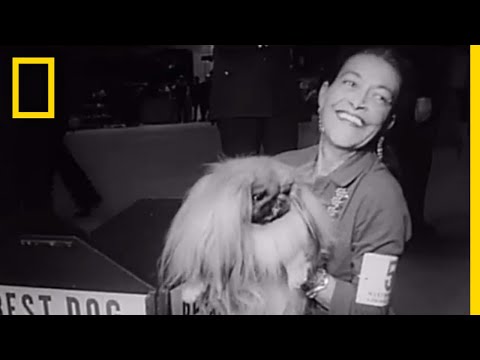
Courtney Shih posted on 2020/01/31Ever wondered how wolves became our furry best friends? This National Geographic video dives deep into the fascinating history of dog domestication, exploring everything from selective breeding to the amazing human-animal bond. You'll pick up some advanced vocabulary and gain a deeper understanding of our canine companions!
Learn this video on the APP!
The VoiceTube App has more in-depth practice for videos!