
all along
US /ɔl əˈlɔŋ/
UK /ɔ:l əˈlɔŋ/
- Adverb
- From the beginning; all the time.
- Phrase
- In a line parallel to something long.
A2Morearound the world
US /əˈraʊnd ði wɜrld/
UK /əˈraund ðə wɜː(r)ld/
- Phrase
- In or to many countries.
- In various places throughout the world.
A2Moreat least
US /æt list/
UK /æt li:st/
- Adverb
- As a minimum
- Not less than
- Phrase
- No less than; at the minimum
- Used to indicate that something is positive in a bad situation.
C2Moreat some point
US /æt sʌm pɔɪnt/
UK /æt sʌm pɔint/
- Phrase
- At an unspecified time, usually in the future.
A1Moreatlas
US /ˈætləs/
UK /ˈætləs/
- Noun
- Book of maps
B2Morebackyard
US /ˌbækˈjɑ:rd/
UK /ˌbækˈjɑ:d/
- Adjective
- Made in an amateurish or non-professional way
- Local; in one's immediate vicinity.
- Noun
- Yard or garden behind a house
- An area close to one's home or area of expertise.
C2Moreban
US /bæn/
UK /bæn/
- Transitive Verb
- To make something illegal or not allowed
- To prohibit someone from participating in a particular online community or game.
- Noun (Countable/Uncountable)
- Official action preventing something happening
- A prohibition from participating in a particular online community or game.
B1Moreboom
US /bum/
UK /bu:m/
- Noun (Countable/Uncountable)
- Very fast increase in growth or popularity
- A very loud and deep sound
- Intransitive Verb
- To experience a rapid increase in growth
- To make a very loud and deep sound
B1Morebreed
US /brid/
UK /bri:d/
- Noun
- Kind of / sort of
- Particular kind of animal, e.g. a Labrador dog
- Verb (Transitive/Intransitive)
- To create situations for a (bad) thing to happen
- To produce baby animals of specific kinds
A2Morecollapse
US /kəˈlæps/
UK /kə'læps/
- Verb (Transitive/Intransitive)
- To fold (e.g. a stroller) down to make it smaller
- To suddenly fall down or break apart into pieces
- Noun
- The sudden failure of a structure or system.
- The sudden failure of a bodily organ or function.
B1Morecome from
US /kʌm frʌm/
UK /kʌm frɔm/
- Phrasal Verb
- To have as your native country or city
A1Moreconsume
US /kənˈsum/
UK /kən'sju:m/
- Transitive Verb
- To eat, drink, buy or use up something
- To take all your energy; focus the attention
A2TOEICMoredesignate
US /ˈdɛzɪɡˌnet/
UK /'dezɪɡneɪt/
- Transitive Verb
- To officially choose for a position; appoint
- To identify or mark something for a purpose
B1Moredisease
US /dɪˈziz/
UK /dɪˈzi:z/
- Noun (Countable/Uncountable)
- Illness that affects a person, animal, or plant
- A disorder of structure or function in a plant, especially one caused by a pathogen.
- Transitive Verb
- To affect with disease; to corrupt or sicken.
A2TOEICMoreenact
US /ɛnˈækt/
UK /ɪˈnækt/
- Transitive Verb
- To make a bill into law
- Verb (Transitive/Intransitive)
- To act or perform, as in a play
B2Moreencourage
US /ɛnˈkɚrɪdʒ, -ˈkʌr-/
UK /ɪn'kʌrɪdʒ/
- Transitive Verb
- To increase the chance of something happening
- To make someone more determined or confident
A2TOEICMoreenhance
US /ɛnˈhæns/
UK /ɪn'hɑ:ns/
- Transitive Verb
- To improve; make bigger or better
B1TOEICMoreestimate
US /ˈɛstəˌmet/
UK /'estɪmət/
- Noun (Countable/Uncountable)
- Guess or calculation of cost, size or value
- A judgment or opinion.
- Transitive Verb
- To guess or calculate the cost, size or value of
- To form an approximate idea or judgment of.
A2TOEICMoreeventually
US /ɪˈvɛntʃuəli/
UK /ɪˈventʃuəli/
- Adverb
- After a long time; after many attempts; in the end
- At some later time; in the future
A2Moreexert
US /ɪgˈzɜ:rt/
UK /ɪgˈzɜ:t/
- Transitive Verb
- To make something have an effect on something else
B2TOEICMorefalling apart
US
UK
- Phrasal Verb
- To suffer a nervous breakdown
- To break into pieces; stop functioning
A1Morefamine
US /ˈfæmɪn/
UK /ˈfæmɪn/
- Noun (Countable/Uncountable)
- Long-lasting period of little food in an area
- A drastic food shortage in a large area or country.
B2Morefatal
US /ˈfetl/
UK /ˈfeɪtl/
- Adjective
- Causing death; having very bad consequences
- Causing negative results
B1Moreflood
US /flʌd/
UK /flʌd/
- Verb (Transitive/Intransitive)
- To quickly appear unexpectedly and in volume
- (Of liquid) to fill or cover something completely
- Noun (Countable/Uncountable)
- A quick unexpectedly volume of something
- Large number of people or things arriving at once
B1Morefor example
US
UK
- Phrase
- As an illustration or instance.
get a grip
US /ɡɛt e ɡrɪp/
UK /ɡet ə ɡrip/
- Idiom
- To control your emotions and behave more calmly.
A1Morehave to
US /hæv tu/
UK /ˈhæv tə/
- Auxiliary Verb
- Must do
A1Morehold water
US /hold ˈwɔtɚ/
UK /həuld ˈwɔ:tə/
- Intransitive Verb
- To be logical, consistent, or sound; to stand up to scrutiny.
A1Moreimperative
US /ɪmˈpɛrətɪv/
UK /ɪm'perətɪv/
- Noun
- The state of demanding notice or attention
- Adjective
- Absolutely necessary; that must be done
B2TOEICMorein particular
US /ɪn pɚˈtɪkjəlɚ/
UK /in pəˈtikjulə/
- Phrase
- Specifically; especially.
- Detailed or precise.
A1Moreindicate
US /ˈɪndɪˌket/
UK /ˈɪndɪkeɪt/
- Transitive Verb
- To show something; direct attention to; point out
- To represent something using a symbol or sign
A2TOEICMoreinfluence
US / ˈɪnfluəns/
UK /'ɪnflʊəns/
- Verb (Transitive/Intransitive)
- To affect or change something indirectly
- To persuade someone to do something.
- Noun (Countable/Uncountable)
- The power to affect what happens, to persuade etc.
- A person or thing that affects someone or something in an important way.
A2TOEICMoreinterest of
US
UK
- Phrase
- For the benefit or advantage of someone or something.
- A feeling of wanting to know or learn about something or someone.
- Noun
- A legal share or right in something.
A1Morelead to
US /lid tu/
UK /li:d tu:/
- Phrasal Verb
- To result in some action
- Verb (Transitive/Intransitive)
- To have something as a consequence or result.
A1Moreminority
US /məˈnɔrɪti, -ˈnɑr-, maɪ-/
UK /maɪ'nɒrətɪ/
- Noun (Countable/Uncountable)
- Group that is smaller and different from the rest
- Part that is less than half the whole; small part
- Adjective
- Being part of a smaller group within a larger one.
B1TOEICMoreno matter
US
UK
- Conjunction
- Regardless of; it does not matter.
- Adverb
- Regardless of; it is not important
A1Morenumber of people
US /ˈnʌmbɚ ʌv ˈpipəl/
UK /ˈnʌmbə ɔv ˈpi:pl/
- Phrase
- The total count of individuals within a group or gathering.
- A statistical figure representing the population size or a subset thereof.
A1Moreof course
US /ʌv kɔː(r)s/
UK /ɔv kɔː(r)s/
- Adverb
- Sure ; Certainly
- Phrase
- For sure; certainly
A2Moreoff the ground
US /ɔf ði ɡraʊnd/
UK /ɔf ðə ɡraund/
- Phrase
- Having started or begun to operate or succeed.
- Airborne; having left the ground.
A1Moreon the verge of
US /ɑn ði vɚdʒ ʌv/
UK /ɔn ðə və:dʒ ɔv/
- Phrase
- Very near to doing or experiencing something.
A1Moreoutbreak
US /ˈaʊtˌbrek/
UK /ˈaʊtbreɪk/
- Noun (Countable/Uncountable)
- Sudden occurrence of illness, discontent etc.
- A sudden occurrence of something unwelcome, such as war or disease.
B2Morepandemic
US /pænˈdɛmɪk/
UK /pæn'demɪk/
- Adjective
- (of a disease) existing in almost all of an area or in almost all of a group of people, animals, or plants
- Noun
- a pandemic disease
C2Morepeasant
US /ˈpɛzənt/
UK /ˈpeznt/
- Noun
- A person of low social status who works on a farm
B1Morepermanent
US /ˈpɚmənənt/
UK /'pɜ:mənənt/
- Adjective
- Lasting forever; not temporary or changing
- Intended to last or remain for an unlimited period
- Noun
- A person who is a permanent employee.
- A chemical treatment to create lasting curls or waves in the hair.
B1TOEICMorepneumonia
US /nu:ˈmoʊniə/
UK /nju:ˈməʊniə/
- Uncountable Noun
- Serious illness affecting the lungs and breathing
B2Morepopulation
US /ˌpɑpjəˈleʃən/
UK /ˌpɒpjuˈleɪʃn/
- Noun (Countable/Uncountable)
- Number of people who live in a country, area etc.
- A group of individuals of one species living in a particular area.
A2TOEICMorepork
US /pɔ:rk/
UK /pɔ:k/
- Uncountable Noun
- Meat of a pig, used for food
B2Morepoultry
US /ˈpoʊltri/
UK /ˈpəʊltri/
- Noun (Countable/Uncountable)
- Birds such as chickens, ducks, geese etc.
- Uncountable Noun
- The meat of domesticated birds, used as food.
B2Morepus
US /pʌs/
UK /pʌs/
- Uncountable Noun
- Yellow fluid produced from inflamed wound, etc.
C1Moreregime
US /reˈʒim, rɪ-/
UK /reɪˈʒi:m/
- Noun
- A system of management; a form of government
B1Moreresponse
US /rɪˈspɑns/
UK /riˈspɔns/
- Noun
- Something said/written as an answer to something
- Reaction to something that has occurred
A2TOEICMorescatter
US /ˈskætɚ/
UK /'skætə(r)/
- Verb (Transitive/Intransitive)
- To throw or move into various different directions
- Transitive Verb
- To place or leave things in various places
B2Moreshut down
US /ʃʌt daʊn/
UK /ʃʌt daun/
- Phrasal Verb
- To close an operating system, e.g. on a computer
- To stop a factory/machine from operating
- Transitive Verb
- To deactivate a nuclear reactor.
- To turn off a computer or other electronic device.
A2Moreslaughter
US /ˈslɔtɚ/
UK /'slɔ:tə(r)/
- Noun
- Act of killing an animal to get its meat
- Beating someone easily and totally in a sport
- Transitive Verb
- To kill an animal, usually to get its meat
- To beat someone easily and totally in a sport
B2Moresoak
US /sok/
UK /səʊk/
- Transitive Verb
- To make something completely wet
- To place something in liquid for a period of time
- Noun
- Placement in liquid for a period of time
B1Morespread
US /sprɛd/
UK /spred/
- Noun (Countable/Uncountable)
- A big meal, often laid out as a buffet
- The distance between two things
- Verb (Transitive/Intransitive)
- To place over a large area; to cover a large area
- (Of ideas, gossip) to pass to and affect others
A2TOEICMorestack
US /stæk/
UK /stæk/
- Noun (Countable/Uncountable)
- A large number or amount of something
- Large tube through which smoke exits a building
- Transitive Verb
- To arrange cards in a certain order, to cheat
- To put one thing on top of another, e.g. boxes
B1TOEICMoresustain
US /səˈsten/
UK /sə'steɪn/
- Transitive Verb
- To lengthen or continue to do something
- To support or maintain someone or something
B2TOEICMoreteem
US /tim/
UK /ti:m/
- Intransitive Verb
- To have many active living things moving inside
C2TOEICMoreto do with
US
UK
- Phrasal Verb
- To be about something; concern
A1Moretonic
US /ˈtɑnɪk/
UK /'tɒnɪk/
- Noun (Countable/Uncountable)
- An invigorating fresh energy boost
- Fizzy mixer drink, often drunk with gin
- Adjective
- Associated with the main note in a musical scale
B2TOEICMoretrace
US /tres/
UK /treɪs/
- Transitive Verb
- To make an outline to determine a shape
- To find someone or something that has disappeared
- Uncountable Noun
- Very small quantity of something
- A mark or other sign of the former presence or passage of something.
B1Moretrade
US /treid/
UK /treɪd/
- Noun (Countable/Uncountable)
- A specific industry, e.g. shoe making
- Action of buying and selling things in business
- Transitive Verb
- To buy, sell and exchange goods in business
- To give something in return for something else
A2TOEICMoretrade in
US /treid ɪn/
UK /treid in/
- Phrasal Verb
- To give something as part of the payment for something else.
B1Moreurge
US /ɚdʒ/
UK /ɜ:dʒ/
- Noun (Countable/Uncountable)
- A strong desire for something
- Strong pressure on someone to do something
- Transitive Verb
- To drive something forward
- To ask or encourage someone to do something
A2Morevariety
US /vəˈraɪɪti/
UK /və'raɪətɪ/
- Noun
- Particular type of thing or person
- The quality or state of being different or diverse; the absence of uniformity, sameness, or monotony.
A2TOEICMoreverge
US /vɚdʒ/
UK /vɜ:dʒ/
- Noun
- Brink or threshold
- Intransitive Verb
- To be near the edge of something
B2Morevirus
US /ˈvaɪrəs/
UK /'vaɪrəs/
- Noun
- File secretly put on computers to cause harm
- Living organism that causes disease or sickness
B1Morewild
US /waɪld/
UK /waɪld/
- Adverb
- In a manner which lacks control
- Adjective
- Living in nature; not tame
- (Of land) not developed by people
A2Morewith just
US
UK
- Phrase
- Using only; with no more than.
- Barely; by a narrow margin.
A2Moreyuan
US /juˈɑn, juɑn/
UK /jʊ'ɑ:n/
- Noun
- Unit of money in China
B2More
Vocabulary
- shut down: To close an operating system, e.g. on a computer
- for example: As an illustration or instance.
- number of people: The total count of individuals within a group or gathering.
- get a grip: To control your emotions and behave more calmly.
- at least: As a minimum
- to do with: To be about something; concern
- have to: Must do
- come from: To have as your native country or city
- at some point: At an unspecified time, usually in the future.
- falling apart: To suffer a nervous breakdown
- on the verge of: Very near to doing or experiencing something.
- off the ground: Having started or begun to operate or succeed.
- no matter: Regardless of; it does not matter.
- trade in: To give something as part of the payment for something else.
- with just: Using only; with no more than.
- all along: From the beginning; all the time.
- of course: Sure ; Certainly
- hold water: To be logical, consistent, or sound; to stand up to scrutiny.
- interest of: For the benefit or advantage of someone or something.
- around the world: In or to many countries.
- in particular: Specifically; especially.
- lead to: To result in some action
- eventually: After a long time; after many attempts; in the end
- pandemic: (of a disease) existing in almost all of an area or in almost all of a group of people, animals, or plants
- permanent: Lasting forever; not temporary or changing
- evidence: Factual proof that helps to establish the truth
- urge: A strong desire for something
- variety: Particular type of thing or person
- consume: To eat, drink, buy or use up something
- fear: Unpleasant feeling caused by being aware of danger
- disease: Illness that affects a person, animal, or plant
- spread: A big meal, often laid out as a buffet
- imperative: The state of demanding notice or attention
- influence: To affect or change something indirectly
- industry: Hard work; being busy working
- encourage: To increase the chance of something happening
- estimate: Guess or calculation of cost, size or value
- collapse: To fold (e.g. a stroller) down to make it smaller
- famine: Long-lasting period of little food in an area
- pneumonia: Serious illness affecting the lungs and breathing
- mean: Average of a set of numbers
- sustain: To lengthen or continue to do something
- stack: A large number or amount of something
- regime: A system of management; a form of government
- response: Something said/written as an answer to something
- explain: To make clear or easy to understand by describing
- decision: Choice made after thinking; final judgment
- indicate: To show something; direct attention to; point out
- population: Number of people who live in a country, area etc.
- fatal: Causing death; having very bad consequences
- raise: To increase a bet above another when playing cards
- breed: Kind of / sort of
- minority: Group that is smaller and different from the rest
- interest: Best or most advantageous thing for someone
- outbreak: Sudden occurrence of illness, discontent etc.
- soak: To make something completely wet
- trade: A specific industry, e.g. shoe making
- enhance: To improve; make bigger or better
- coronavirus: Any of a group of RNA viruses that cause a variety of diseases in humans and other animals.
- trace: To make an outline to determine a shape
- exert: To make something have an effect on something else
- wild: In a manner which lacks control
- allow: To admit the validity or truth of something
- government: Group of people and system that rule a nation
- flood: To quickly appear unexpectedly and in volume
- ban: To make something illegal or not allowed
- boom: Very fast increase in growth or popularity
- virus: File secretly put on computers to cause harm
- scatter: To throw or move into various different directions
- legal: Concerning the law; allowed by law
- verge: Brink or threshold
- turn: To become (a particular age)
- include: To make someone, something part of a group
- poultry: Birds such as chickens, ducks, geese etc.
- slaughter: Act of killing an animal to get its meat
- popular: Liked or enjoyed by many people
- peasant: A person of low social status who works on a farm
- designate: To officially choose for a position; appoint
- enact: To make a bill into law
- backyard: Made in an amateurish or non-professional way
- teem: To have many active living things moving inside
- tonic: An invigorating fresh energy boost
- pus: Yellow fluid produced from inflamed wound, etc.
- atlas: Book of maps
- pork: Meat of a pig, used for food
- yuan: Unit of money in China
Get the full experience in the app
Learn anywhere with detailed sentence and usage analysis
01:03
She took a brave step forward, leaving behind her comfort zone to chase her dreams.
Vocabulary
- brave
adj. Having courage
- comfort zone
phr. A familiar situation where one feels safe
Explanation
a brave step is a noun phrase, where brave is an adjective modifying the noun step, meaning "a courageous step".
forward is an adverb modifying step, meaning "ahead".
The whole phrase serves as the object, answering the "what" of took (verb) — she took a brave step forward.
Get the full experience in the app
Look up words anytime with pronunciation, part of speech, and usage
brave
US/brev/
UK/breɪv/
adj.Brave
v.t.To bravely face
A2 Elementary
Get the full experience in the app
Practice speaking anytime and get instant pronunciation feedback
Try this speaking exercise.
Try practicing with this sentence.
80
0
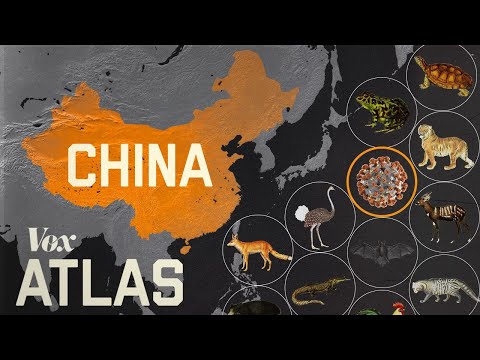
Mackenzie posted on 2020/03/20Ever wondered why new diseases keep popping up? This video dives into the fascinating world of zoonotic diseases, exploring topics like wet markets and wildlife trade that are crucial for understanding outbreaks like COVID-19. You'll pick up some really useful vocabulary while learning about health policy and cultural depth!
Learn this video on the APP!
The VoiceTube App has more in-depth practice for videos!